How do you care for hydrangeas? A beginner's care tips shared
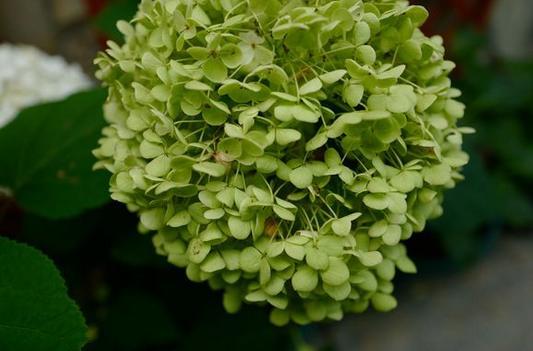
I have heard many flower growers complain that everyone says hydrangeas are easy to grow and that when they bloom, they bloom in a big mass. But when it comes to mine, why is it not like that at all? A perfectly good hydrangea, not long after I bought it, turned into a sickly-looking thing. Others grow flowers, and you grow flowers too, but maybe there are many details you have not noticed. Below is a brief explanation of some basic points.
As soon as people hear that hydrangeas like water, many of them mix up a whole pot of peat for them. Peat does indeed have very good water-retention capacity, but using it alone is not advisable; at the very least you should also add perlite to increase ventilation and air permeability. Those who have grown hydrangeas until the roots rotted, take a look at whether your soil mix has a similar problem?
Next is that the water must be enough, and the water must soak through, especially in the hot summer and the dry autumn. Growing hydrangeas has no special requirements, but at the very least the water supply must be sufficient. This point sounds easy, but in fact many people do not manage it. Watering thoroughly only after the soil has dried out is certainly not wrong, but in summer it is best not to wait until it is dry before watering it.
When you see the soil is on the dry side, you can water it. In summer it is best to water once in the morning and once in the evening; of course, spraying the leaves with water can also serve as a supplementary measure. Another point is that many people do not soak it through. If the soil is rather dry and the soil gaps are large, the first watering may only be water flowing through quickly and not actually soaking through; you should water a second time so the water slowly seeps in.
It should be noted that if you use a pot with a saucer underneath, do not let it hold standing water; tilt the pot a little so the water in the saucer flows out. Actually, I do not very much recommend using pots with saucers; if water accumulates in the saucer and is not drained promptly, it has a great effect on air permeability.
Also, if you have just pruned the branches and leaves of the hydrangea, then the sunlight duration can be slightly reduced and the amount of watering should also be reduced. This is because with fewer branches and leaves, the water requirement is reduced to a certain extent. Then each time you water, also water thoroughly. If it is winter, especially for hydrangeas grown outdoors, leaf drop may occur. This is a normal situation; just care for it normally, and next spring it will grow leaves again.