9 flowers suitable for cuttings in summer, miss it and you'll wait another year
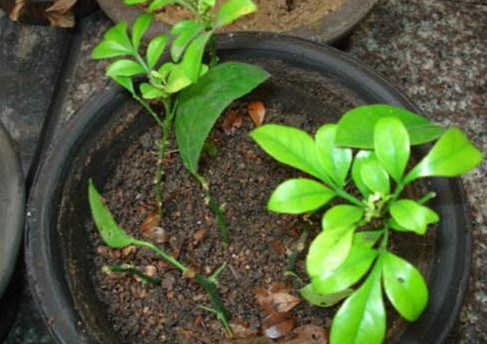
"Tree shade covers the ground at midday, and a fleeting oriole calls out once from a dream." Summer has high temperatures and high humidity, making it a great season for plant cuttings to take root. The following nine flowers are very suitable for cuttings in summer. Come and learn about them with the editor!
1. Milan
1. Soak the Milan branch cut from the mother plant in a rooting solution for about one hour, then take it out and let it dry in a cool, ventilated place.
2. Water the cutting nutrient soil thoroughly once, insert the Milan branch into the soil, then place the small bucket in a cool, ventilated place so the Milan branch receives scattered light.
3. After about one and a half months or two months, the Milan will be able to take root. Once it has rooted, simply transplant it into a pot.
2. Azalea
1. Cut semi-lignified branches, 5-10 cm long, and keep the top four or five leaves.
2. Insert the cuttings into foam board, with the cuttings exposed 3-4 cm above the foam board.
3. Place the foam board in water to induce rooting. Once you see that the roots have grown out, they can be potted up.
4. Using this method to propagate azaleas has a very high survival rate. After potting, keep them in a shady place for a period of time, and after they recover from transplanting, place them in a place with sufficient light for care.
3. Hibiscus
1. Cut semi-lignified hibiscus branches, 15-20 cm long, make a 45-degree diagonal cut at the bottom, and keep two or three leaves at the top.
2. Water the prepared cutting medium, river sand or vermiculite, thoroughly, then use a wooden stick to make a hole, insert the cuttings, and press the soil firmly with your hand.
3. Pour water into the flower pot three times to ensure the medium and cuttings are tightly combined.
4. Cover the flower pot with a plastic bag, and poke a few holes in the plastic bag to provide moisture retention and ventilation. Keep the medium moist, and roots will form in just over one month.
4. Osmanthus
1. The most suitable time for osmanthus cuttings is May to July. Choose lignified branches of the current year, soak them in a carbendazim solution for about half an hour, then take them out and let them dry in a cool, ventilated place.
2. The cutting soil should retain water, retain fertilizer, and be breathable. After watering thoroughly once, insert the osmanthus branches into the soil. After about one month, the osmanthus branches will be able to take root.
5. Camellia
1. Cut semi-lignified branches newly grown this year, about 10 cm long, and keep only the top two leaves.
2. Insert immediately after cutting. Insert the camellia branches into river sand or vermiculite so that the medium and cuttings are tightly combined. There is no need to insert them too deep; burying them 4-5 cm is enough.
6. Hydrangea
1. Cut healthy hydrangea branches that have already bloomed, remove the lower leaves, and leave about 8-10 cm of cutting branch.
2. Apply a little rooting powder to the bottom of the branch, then place it in a cool, ventilated place to dry.
3. Insert the hydrangea branch into the soil, then water thoroughly once, and place it in a cool, ventilated place for care. It can take root in about 1 month.
7. Jasmine
1. You can choose jasmine branches that have finished blooming, or directly choose healthy branches for cuttings. Keep about 2 leaves on each branch. Soak the cutting branches in a carbendazim solution for a few minutes, then place them in a cool, ventilated place to let the wounds dry.
2. Insert the dried branches directly into the soil, taking care to keep them moist. After about one month, the jasmine cuttings will be able to take root. Once the jasmine has rooted, simply transplant it into a flower pot for direct care.
8. Gardenia
1. Cut healthy gardenia branches, remove the leaves at the bottom of the branches, and place them in a cool, ventilated place to let the wounds dry before taking cuttings.
2. Use sandy soil that has been watered thoroughly for cuttings. You can cover with a bag to retain moisture. When you notice the sand has become dry, water it. It will take root in about 1 month. Note: Although gardenias like light, avoid direct sun exposure, and they cannot lack water.
9. Rubber Tree
1. The minimum temperature for rubber tree cuttings to take root is 15°C. Choose healthy branches from the mother plant, blanch the bottom in boiling water, then soak them in a carbendazim solution for about half an hour, and then place them in a cool, ventilated place to dry.
2. Insert the trimmed rubber tree branches into the soil, water thoroughly once, and they will be able to take root in at most about one month.