Auntie Liu grows pothos and waters it every day with this kind of water; the leaves are glossy green and it keeps pushing out new leaves
Sometimes potted flowers that seem easy to grow are exactly the ones where some care details are most easily overlooked, leading to all kinds of problems. Take the most common foliage plant, pothos. This kind of potted plant can be said to be grown in every household. Some people grow it lush and green all year round, while other flower lovers' pothos always has yellow leaves and root rot.
Actually, growing pothos well takes some know-how. Next, let me share Auntie Liu's secret for pothos. A few days ago, while chatting at the entrance of the alley, I heard Auntie Liu say her pothos had grown so wildly that the balcony could no longer hold it. I asked how she grew it, and whether she sprayed nutrient solution? Her answer made me ashamed!
Auntie Liu grows pothos with this secret: watering it every day with this kind of "water". Well, I regret learning it so late.
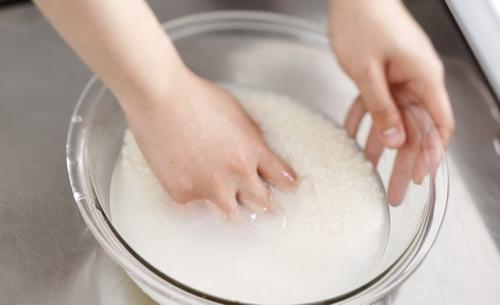
She uses the leftover water from washing rice to water the pothos every day. Why does it make the pothos grow more and more vigorously? Actually, if you study rice-washing water and the growth habits of pothos, you will understand. Pothos likes a warm and humid environment, the soil is best kept moist, and slightly acidic potting soil is most suitable. Rice-washing water is rich in trace elements, and after fermentation its liquid has a relatively low pH, that is, it is acidic.
Every time it is poured into the pothos pot, the roots quickly absorb the nutrients, and on top of that it adjusts the pH of the soil, which naturally benefits the growth of the pothos.
This is especially true for flower lovers in the north growing pothos, since northern soil generally tends to be slightly alkaline, which is not good for acid-loving flowers. Besides pothos, gardenia, camellia and jasmine all like acidic conditions, so watering them regularly with a little rice-washing water is most suitable. They will grow more and more vigorously.
Using rice-washing water on pothos also has its particular points. When Auntie Liu waters her pothos, she basically never ferments the rice-washing water, and she does not know how to ferment it either. But the rice-washing water she uses on the pothos is always left on the balcony for five or six hours before use, and this practice will ferment it somewhat. And once the sun shines on it, it can also sterilize it. It can be said to be very practical.
Regularly using rice-washing water on pothos will make its leaves more and more dark green, and the key is that it is more worry-free to grow, with no need to fertilize. Placed on the balcony, it can grow very well, and often after two or three months, the pothos has filled the pot and can no longer be contained.
Some flower lovers may ask, if the pothos has already started to develop yellow leaves, then what should be done? In Auntie Liu's words, yellow leaves on pothos are mostly caused by lack of light and poor ventilation, so just changing the pothos' position solves it.
Placing pothos in a spot with poor ventilation can also easily make its roots moldy and rot, and in that case the leaves will quickly turn yellow and dry up. So there must be a ventilated environment. In addition, check the pothos roots once every few months to see whether there is any root rot. Only then will the pothos be grown better. Besides the secret of using rice-washing water to grow pothos, there are also many little tips you can use.
For example, wiping pothos leaves with diluted beer can remove dust and make the leaves more glossy. Spraying pothos with a little monopotassium phosphate every month can make it grow more robust, and so on. That is all for the pothos growing knowledge shared here. Thank you for reading!
Remember to like and share~