Miniature roses have a short lifespan, possibly because prevention wasn't done well
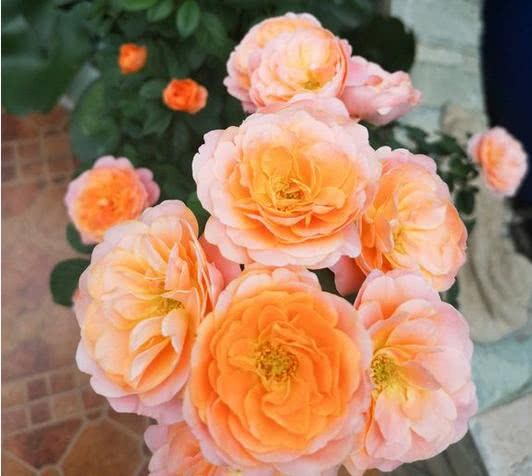
Because miniature roses are short in stature, have beautiful flowers, and take up little space, they are very suitable for display on a table, and are also very convenient to grow on a small balcony. That's why they are loved by many flower enthusiasts. But here's the problem: not long after these miniature roses were bought, all sorts of problems appeared, and if they weren't rescued in time, they withered and died.
What problems generally appear? The most common and usually the first problem to appear is leaf drop, followed by the petals falling one by one, or sometimes the entire flower wilting. Why do these problems occur? This is mainly because these miniature roses actually have somewhat weak adaptability.
Of course, this is also related to the region where they are grown. In some regions (the north), the climate conditions are harsher for miniature roses, so the probability of problems occurring is greater. Moreover, before these flowers reach the hands of flower enthusiasts, they are generally grown in greenhouses. And the conditions in a greenhouse, whether temperature, humidity, or light, are all under artificial control, satisfying the growth needs of the plants as much as possible.
The most troublesome problem when growing miniature roses at home is spider mites. It is best to prioritize prevention for this problem, because miniature roses have poor resistance. Spray them with pesticide as soon as you buy them to prevent it! Options for the pesticide include abamectin, Aikaman, Jinmanzhi, or Huhuashen. After mixing the pesticide, spray the entire plant, once about every week. If spider mites have already appeared, then spray once every 3-5 days, using it three or four times in a row.
In addition, you need to control watering, especially in summer. Because the summer climate is hot and the temperature is high, if you water heavily as well, a high-temperature and high-humidity situation will occur, and roses are very likely to die under such conditions. Furthermore, pay attention to the ventilation of the growing environment, using an exhaust fan or a small fan to speed up indoor air circulation.
Appropriate sunlight has the effect of sterilizing and dehumidifying, so don't keep miniature roses in a place where they cannot receive sunlight. Of course, if the spider mite infestation is severe, changing the soil and repotting also helps to completely eliminate the insect eggs. Be careful to avoid damaging the root system as much as possible, and by the way, spray insecticide on the roots as well.