There are many benefits to controlling excessive growth in corn; besides preventing lodging, what other effects does it have?
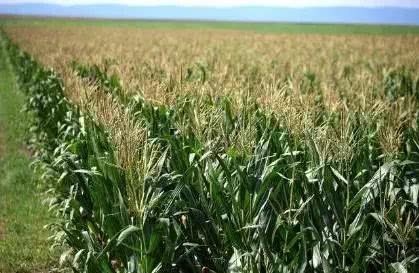
Controlling excessive growth in corn should be a topic of concern for farmer friends recently. Controlling excessive growth in corn has many benefits for corn, which will be introduced in detail below, but first it must be said that growth control must be scientific, otherwise it may cause the opposite effect.
Why does corn need growth control?
I believe many friends will ask this question. This is actually related to the growth of corn, and is caused by the fact that the fertilization methods commonly used by farmers at present are not very scientific. Everyone knows that corn is a fertilizer-loving crop, and it needs multiple topdressings during the growth period to increase the yield and quality of corn.
However, because people are relatively busy now and somewhat unable to keep up with farming tasks, they often adopt a planting method of sowing and fertilizing at the same time, which is what we often call the "one-shot" planting method. Although this planting method saves the trouble of three topdressings during the corn growth period, it also causes relatively high fertility in the early stage of corn growth, making it easy for corn seedlings to grow too fast, and even develop excessive vegetative growth.
According to the normal growth conditions of corn, it does not need too much fertilizer in the early stage. In the middle stage of corn growth, soil fertility gradually declines, but this is also a period when corn has a high demand for fertilizer, so it is very easy to cause poor corn growth, insufficient root development, and susceptibility to lodging. Especially in the later stage, it will cause incomplete kernel filling and affect corn yield. However, if controlled-release fertilizers with good fertility are chosen, these situations can be alleviated to a certain extent.
Besides choosing slow-release fertilizer, the most important point is correct growth control.
Many friends can probably understand one or two points about the effects of controlling excessive growth in corn. Reasonable chemical control can produce an effect on corn of "controlling the top and promoting the bottom." Specifically, it means controlling excessive vegetative growth in corn. When corn grows to 8 to 10 leaves, this is the best period for growth control, that is, when the corn is about knee height.
Because the weather during this period is relatively hot and rainy, corn is very prone to excessive vegetative growth. Timely spraying of growth-control chemicals can control the upward growth speed of corn, help corn stalks become thicker, and make corn growth develop horizontally. This can effectively prevent corn lodging.
More importantly, controlling excessive growth in corn can make the roots grow better and make the roots grip the soil more firmly. It also enhances light penetration between corn plants and improves ventilation, which helps corn set kernels better and reduces the occurrence of bare tips in corn.
Choosing the timing for growth control
However, the most important thing about controlling excessive growth in corn is grasping the timing. Once the timing is wrong, not only will it fail to produce a good growth-control effect, but it will instead affect the kernel setting and lodging resistance of corn. The best time to control excessive growth in corn is when corn grows to 8 to 10 leaves. During this period, growth control must be carried out promptly.
Controlling growth too early will affect corn growth, and the stalks will become shorter. Too late, that is, carrying out growth control after corn has grown 12 leaves, will even cause uneven growth in stalk length, with the lower stalks too long and the middle too short, which instead makes corn more prone to lodging. In severe cases, it will also cause failure in tassel differentiation of corn, making it unable to shed pollen, thus affecting corn yield.
The above comes from Science Xingnong.