If you come across the rare jiganji grass in a cornfield, don't pull it up - a jin of it can sell for 2000 yuan
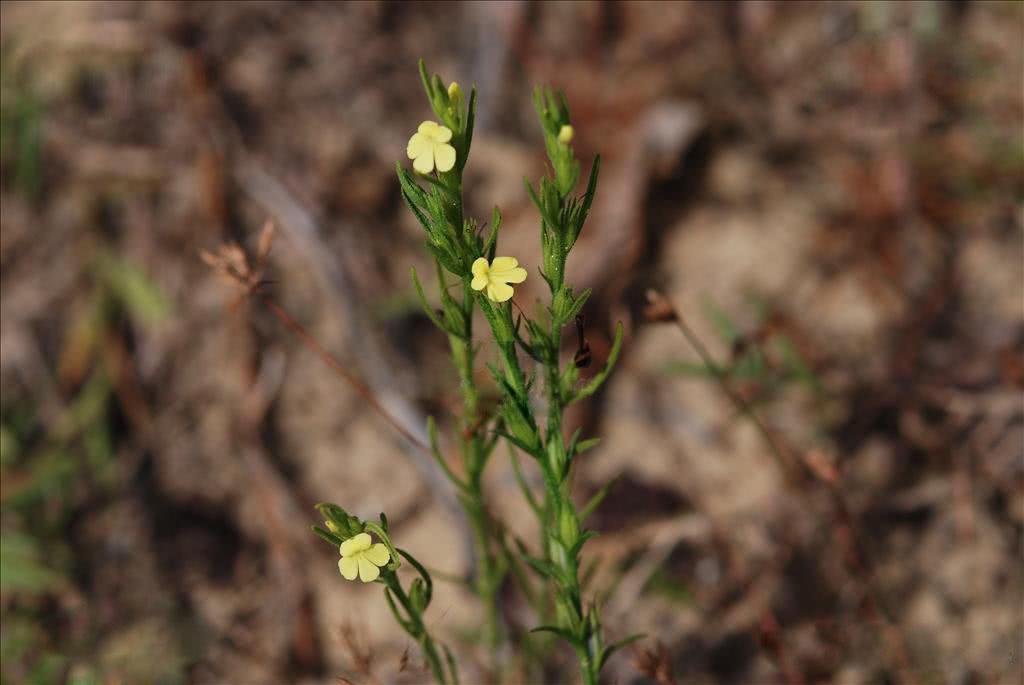
In rural areas there are all kinds of wild grasses and wildflowers growing by the roadside or in the fields. These wild grasses and wildflowers also have their own inherent value, which cannot be seen from their appearance, and some grow very beautifully, while others are not particularly good-looking, and some are also very dangerous and may contain poison.
But when it comes to what use they have, most people may not be familiar with them, and may not even be able to name them. So in the past, many farming friends would pull them up as weeds, thus missing out on these wild grasses.
In rural cornfields, there is just such a highly valuable wild grass, and its name is Striga asiatica, also called "jiganji grass" in some places.
Striga asiatica is a green plant, not very tall in length, growing to about 30 cm. Because it is not very tall itself, most people do not notice this plant, and most farming friends do not know that this wild plant has medicinal value. For example, if someone has a cold and fever, or a sore throat, or an upset stomach, or hepatitis, this medicine can be used for simple treatment, and the effect is also very remarkable.
If some people know this wild plant, then picking it to cultivate would certainly also be a very good way to make money.
So the most important thing is, how can this wild plant Striga asiatica be effectively planted?
Striga asiatica is a semi-parasitic plant, somewhat difficult to pick and also not very easy to cultivate. If there is a large stretch of natural sloping grassland, and this grassland has wild, naturally growing Striga asiatica on it, then you can try artificial propagation. This parasitic plant Striga asiatica needs to parasitize other plants and depends on them to survive, and it does not carry out photosynthesis itself, so the water or nutrients it needs for growth all come from the plants it parasitizes, such as mistletoe, sandalwood trees, and so on.
Mistletoe can absorb some water and inorganic substances from the host plant, and carries out photosynthesis to make nutrients. Striga asiatica also needs to be continuously supplied with nutrients, otherwise when Striga asiatica withers, the mistletoe will also wither along with it.
So what specific values does Striga asiatica have? According to the "National Compilation of Chinese Herbal Medicines", the whole plant of Striga asiatica can be used as medicine, with the effects of clearing heat and reducing food stagnation, and can be used for infantile malnutrition, children's summer fever, children's diarrhea, icteric hepatitis, and other symptoms.
Because the quantity of Striga asiatica is now relatively scarce, it has also become a rather rare Chinese herbal medicine. The author also checked relevant information and found that in today's market, the price of dried Striga asiatica averages around 2000 yuan per jin (cheaper in some places, more expensive in others).
So when everyone sees this wild grass, don't just pull it up casually, for its value is truly precious.
Dear friends, are you familiar with "Striga asiatica"? You are welcome to leave a message and share your thoughts!