How does soapwort propagate? Master the cutting technique, and it looks truly beautiful
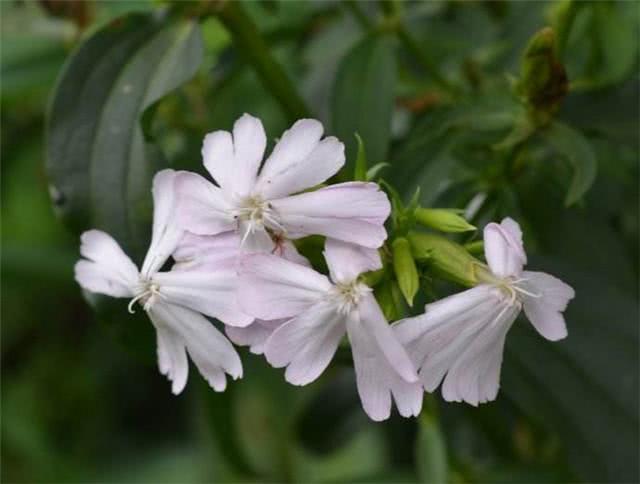
Soapwort is a common flower that can decorate gardens and beautify public spaces, and its flowers can change color, from white to pink, with a rich fragrance and very beautiful flower shape, leaving a deep impression on flower lovers. Soapwort can also be used as medicine to treat bronchitis, offering many benefits. So how does soapwort propagate?
Soapwort cutting propagation techniques
1. Soapwort propagation requires the use of robust branches, avoiding pest-damaged branches and weak branches, because pest-damaged branches as well as tender and weak branches easily lead to cutting failure. Try to choose robust branches, and soapwort will grow faster!
2. The best time to take soapwort cuttings is in June each year, when the temperature is not very high, the climate is mild, the plant has strong differentiation ability, and the probability of rooting is high. Moderately high temperatures can promote wound healing. If the weather is too cold, or if it becomes too warm and enters the rainy season with too much water, root rot will occur; if it is too cold, roots will not form.
3. When taking cuttings, water thoroughly and avoid the midday heat, so that the soil does not evaporate water too quickly and cause soapwort to dry out and fail to survive. Of course, flower lovers can also propagate by sowing seeds and division.
Now flower lovers have some understanding of how soapwort propagates. Soapwort propagation requires mastering the correct methods and techniques. Cutting and sowing can be used. If the plant at home is too large, division can also be used for propagation. Pay attention to watering and fertilizing, and repot soapwort in time, as this is more beneficial to the growth of soapwort.