When growing flowers, grab a handful of roadside soil and mix a little of this into it, and the leaves will be so plump they drip with richness.
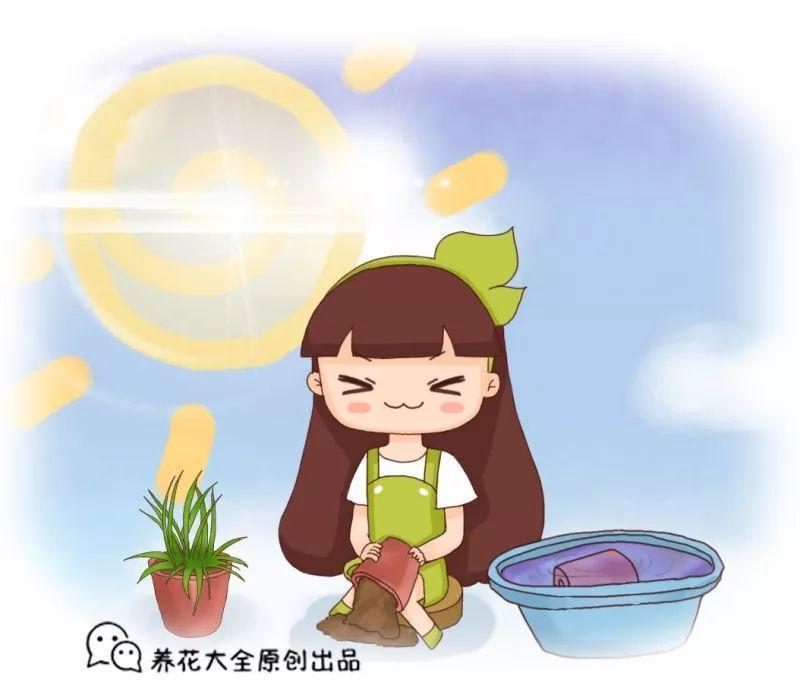
When the weather turns hot, the flowers wither, and they also become prone to disease and pests. Most likely there is something wrong with your flower soil, so change it quickly! If you are going to change it, use the garden soil available right at your doorstep. Just mix it up casually, and it is even better than the nutrient soil you buy for dozens of yuan. If you do not know this, you will lose out big time!
How much do you know about the garden soil at your doorstep?
The garden soil that Huahua always talks about is the soil you can see everywhere around you, such as the soil in front of and behind houses, vegetable garden soil, roadside soil, mountain soil, suburban soil... all of these are garden soil. Using it to grow flowers is even better than relying entirely on bought nutrient soil. You absolutely must know this!
Advantages of garden soil: strong stickiness, stable planting
If you want flowers to grow for a long time, they must root firmly. Garden soil is very sticky, so after flowers take root, they are relatively stable and not easy to loosen. This way the flowers can quickly adapt to the environment and grow faster. As long as the roots are stable, problems are unlikely to arise.
Disadvantage of garden soil: easy to compact
Garden soil is a bit stickier. Although it has good moisture retention and one thorough watering can last a week, if water in the pot soil cannot drain out for a long time, it easily causes difficulty in root respiration, and over time this leads to root rot.
Garden soil is so good that Huahua naturally encourages us to use it! But garden soil contains many bacteria and insect eggs, and it also compacts easily, so it is best not to use it directly. First sterilize it, then mix in materials, and it will immediately become good, breathable flower soil full of nutrients!
Sterilization and disinfection of garden soil
Method 1: Sun exposure
The summer sun is relatively strong, so you can spread the soil flat and bake it in the sun for 2-3 days. It seems effective, but there are hidden risks: the insect-killing and sterilization effects cannot be guaranteed.
Method 2: Spray chemicals for sterilization and disinfection
If you have relatively little soil, you can directly use potassium permanganate water or carbendazim solution to sterilize and disinfect. The solution ratio can follow the instructions. Generally, potassium permanganate is 0.1%, and carbendazim is 20%.
If you have a lot of soil, Huahua suggests spreading it flat on the ground to dry in the sun for one day, then spraying insecticide, such as avermectin, emamectin benzoate, and similar products, which work relatively well.
Method 3: High-temperature sterilization
Generally, this means using a pressure cooker for 1 hour, stir-frying in an iron wok for half an hour, or heating in a microwave for 5 minutes (remember you must add water). These three methods all work by high-temperature sterilization. Note that when using a pot, do not add water; for the microwave, add water to avoid a fire!
If you have a blowtorch at home, you can also spray it over the soil once, which can also achieve high-temperature sterilization and disinfection. Be sure to pay attention to safety during this operation~
After the garden soil is sterilized, can it be used to grow flowers? No, first you have to mix in some materials to neutralize the stickiness of the garden soil, improve air permeability and fertility, and make it more suitable for growing flowers!
Mix a little material into garden soil, and it beats nutrient soil
1. Coal cinder retains moisture and is breathable
Coal cinder is very breathable. Mixed with garden soil at 1:3, it can be used to grow almost any flower, especially succulents, clivia, and spider plants. However, coal cinder is relatively rare now. Flower lovers who have coal cinder around them must make use of it!
2. Small stones are breathable and prevent root rot
Mixing in some small stones about 3-5 mm in diameter can also improve air permeability. The stones must also be sterilized and disinfected before mixing in, otherwise all the sterilization work will be wasted.
3. Peanut shells loosen the soil and add fertility
Peanut shells and sunflower seed shells are high in fiber, breathable, and can also serve as fertilizer. You can mix two handfuls into garden soil. They are suitable for various orchids, kalanchoe, geraniums, verbena, and other flowers that fear waterlogging. Flower lovers, note that peanut and sunflower seed shells must not be salty; they must be unsalted!
4. Eggshells supplement potassium, phosphorus, and calcium
Fry eggshells in a pot, crush them, and mix them into garden soil. They can not only prevent earthworms, snails, and other crawling insects, but also act as phosphorus and potassium fertilizer. This is a material we commonly use for growing flowers, so do not forget it!
5. Spent flowers and fallen leaves composted into nutrient soil
Collect spent flowers and fallen leaves. First put a layer of garden soil in a bucket, then place the flowers and leaves on top, and finally cover with another layer of garden soil. Put on the lid and compost for 2-3 months, occasionally opening the lid to let out gas. This way we can make our own nutrient soil, not inferior to bought ones at all!
These little methods
Have all you flower lovers learned them?
Hurry and save them
and mix your soil accordingly~
?