Use this as a base fertilizer for snake plants: loose, airy, rapid growth without root rot
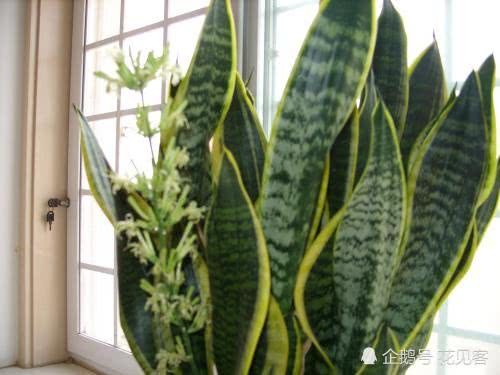
The snake plant (Sansevieria) is an excellent foliage houseplant, a perennial herbaceous plant with thick, glossy leaves and irregular dark-green cloud-like horizontal bands on the leaf surface, closely resembling a tiger's tail, making it deeply loved by many gardening enthusiasts.
The snake plant is a relatively easy plant to grow, but growing it well is not so easy. Today, Huar just wants to tell everyone about something that is super suitable for growing snake plants: loose and airy, booming growth, thick and glossy leaves, and no more root rot!
That thing is corn cobs. Corn cobs themselves are quite loose and airy, and they can also play a role in storing water, effectively protecting the root system. During the rotting and fermentation process, they can also provide nutrients to the snake plant, making them a very good base fertilizer material, allowing it to grow better with thick leaves.
Specific method: collect a few corn cobs, cut them into small pieces, then put them under the sun to bake thoroughly until completely dry, and they are ready to use.
The snake plant is a desert plant, so when potting it up, choose a relatively deep flower pot. Therefore, when potting up a snake plant, besides placing a layer of corn cobs at the bottom, you can also keep adding a few small pieces when adding soil, mixing them into the soil until planting is complete. This allows the snake plant's roots to breathe and grow better, increases drainage, and reduces root rot.
When caring for a snake plant, light and water must be well controlled. Although the snake plant is a desert plant, strong light will make its leaves turn white and lose their gloss. It is best to keep it under relatively soft light to keep it lush and green and enhance its ornamental value.
Watering must be even more carefully controlled. It itself has a certain drought tolerance, so during care it is better to keep it dry than wet. If watered too frequently, the leaves will turn white, and in serious cases cause root rot. However, during the growing season, keep it appropriately moist so it can sprout more new shoots and promote growth.
That is all for snake plant care. If gardening friends have other additions, you can share them with everyone in the comments section below. If you want to learn more about flower growing, you can follow Huajianke!