Don't Ignore Green Moss on Vegetable Greenhouse Soil: Fail to Control It in Time and a Whole Year's Work Is Wasted
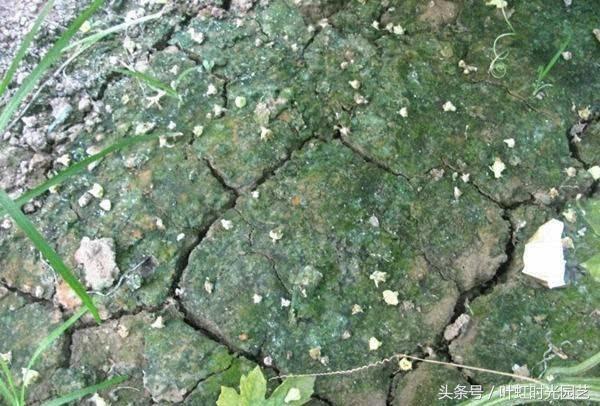
Many farmers have seen green moss growing on the soil inside vegetable greenhouses during summer. In severe cases, the green moss covers the entire space between the vegetable rows. Most farmers pay no attention to it, and some even think it means the soil is fertile.In fact, green moss growing on the soil is not a good thing; it may even indicate a serious soil problem. What is going on here?
1. Green moss affects soil air permeability:
Green moss itself does not affect vegetables, but it clogs the pores in the soil, affects the respiration of crop roots, and thereby causes damage and affects vegetable growth.
2. Green moss is a sign of soil salinization:
Green moss growing on greenhouse soil is a manifestation of soil salinization. The more luxuriant the green moss grows and the darker its color, the higher the soil salt content. If it is not taken seriously, it will greatly affect production and planting, and may even make you get half the result with twice the effort.
How do you solve the problem of green moss on the soil?
First, hoe and loosen the soil more often
Hoe the greenhouse soil more often. This can remove the green moss, break up compacted soil, and improve the air permeability of the farmland. But pay attention to the depth. Hoeing too deep all at once will have a relatively large impact on vegetable roots and make it hard for them to adapt, so the depth should be increased gradually so the roots can adapt step by step.
Second, apply more microbial inoculants
Applying microbial inoculants to greenhouse soil can break up compaction, improve soil structure, and increase the soil's water and air permeability. It can also activate nutrients fixed in the soil, improve fertilizer use efficiency, inhibit soil pathogens, reduce the use of chemical fertilizers and pesticides, greatly improve the soil's physical and chemical properties, and keep the soil away from salinization.
Third, use drip irrigation to water
Under high humidity conditions, green moss breaks out more severely, so watering methods such as flood irrigation should be reduced. It is recommended to use methods such as drip irrigation under film to water, lower soil humidity, and control the spreading growth of green moss. This can also improve fertilizer use efficiency, reduce the application of chemical fertilizers, and achieve the effect of saving water and fertilizer.
Follow Yehong Shiguang Gardening, and we will share more fertilizer knowledge with you every day. More friends are welcome to communicate with us. Your attention is our greatest encouragement.