How to raise beef cattle? Several key techniques for raising beef cattle well
Feeding crossbred cattle combines the superior traits of different cattle breeds and offers obvious hybrid vigor, allowing a large amount of high-quality beef to be produced in a short time. If no crossbred cattle are available, local steers aged 3-8 years, weighing 250 kg, in moderate body condition, and healthy and disease-free can be selected for short-term fattening.
Feeding ammoniated straw: Feeding cattle straw treated with ammoniation technology can improve nutrient conversion, enhance palatability, and reduce production costs. To make ammoniated straw, use a ratio of 100 kg of straw, 3 kg of urea, and 40 kg of water, and seal and treat it in an ammoniation chamber. The well-ammoniated straw should be moved to an open-air site on a sunny day and turned constantly to release ammonia; once there is no ammonia smell, pile it indoors for later use. Feeding ammoniated straw requires a 7-10 day transition period. The normal feed intake of cattle is generally 2% of body weight, fed 3 times a day.
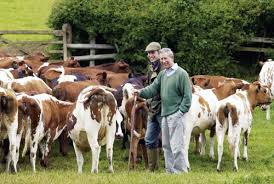
Reference formula for supplemental mixed feed: corn 60%, rapeseed cake or cottonseed cake 37%, starch 2%, salt 1%. Feed the mixed feed at 1% of the cattle's body weight, divided into two supplemental feedings per day.
Adding feed additives: Relying on scientific cattle raising and seeking meat from technology is an important way to develop the beef cattle industry and improve cattle-raising efficiency. At present, the most widely applied technique is implanting growth promoters, which can increase beef output and improve feed conversion efficiency. Fattening bulls can be implanted at any time, with the best results in steers, and implantation can be repeated once at an interval of 100 days.
Careful feeding and meticulous management: During the transition period of feeding ammoniated forage, deworm the cattle by orally administering 30 mg of albendazole per kg of body weight, then improve appetite. During the fattening stage, graze for 1-2 months in the season when green grass is available, and in the later stage require no less than 1 month of barn feeding, using a high-concentrate diet to promote fattening. When mixing feed, first moisten the feed, then mix it evenly with the grass after 1 hour. In addition, clean water must be provided, twice a day. The cattle pen should be frequently dehumidified and bedded with dry material to keep it dry and clean.