Can Spider Plant Seedlings Be Grown in Water? A Detailed Guide to Hydroponic Cautions
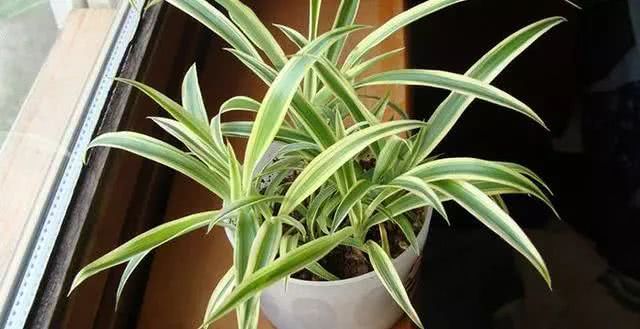
Spider plant (Chlorophytum comosum) is a common potted plant in households. Its glossy green appearance and clean, neat form have earned it plenty of praise from many friends. The usual methods of cultivating spider plants are mostly soil-based, and they can be propagated in three ways: by cuttings, by division, and by sowing. So can spider plants be grown using the hydroponic method? Without a doubt, yes. So below we will explain how to grow spider plants using the hydroponic method, and what needs attention.
I. Hydroponic Growing of Spider Plants
For a hydroponic spider plant, you first need to choose a suitable container; it is best to use a transparent glass bottle for growing it. For one thing, this makes the potted plant simpler and clearer, and for another, you can clearly observe how the plant is growing, which is more helpful for routine care. The size of the container is decided by the size you want to grow; usually a medium-sized glass container is enough. Too small is not good for the plant's growth, while too large is not convenient for moving the potted plant, and so on.
Next, you need to prepare healthy young spider plant shoots and thoroughly rinse the root section, without leaving any soil on the roots. Then cut off the old roots among the root system and the yellowed leaves on the stems. When inserting the plant into the container, you can place a small amount of clean stones inside to add to the aesthetic. After inserting the plant into the water, you can secure it appropriately at the mouth of the bottle to prevent the plant's growth direction from shifting.
II. Cautions for Caring for Spider Plants
1. Light
Sufficient light is essential for a spider plant's growth. The sun in spring and autumn is relatively mild, so the potted plant can be placed in a full-sun environment to grow, while the sun in summer is more intense, so it should be placed in a shaded spot to receive an appropriate amount of indirect light. If the plant grows under overly strong light for a long time, the leaves will turn yellow and their color will become dull and lusterless, greatly affecting the plant's normal growth.
2. Changing Water and Watering
Hydroponic spider plants have relatively high requirements for water quality. If the water quality is too poor, the plant will be infected with certain bacteria, causing some common diseases. It is best to use disinfected tap water, and not to directly use freshly drawn tap water for growing it. Because spider plants grow better in a humid environment, the amount of water added to the container should not be too little; the water line is best at about two-thirds of the total height of the container. Generally speaking, changing the water once a week is suitable; if the temperature is relatively hot, then change the water twice a week.
3. Nutrients
Although spider plants relatively like fertilizer, you still cannot frequently apply nutrients to the container. In fact, the microorganisms and minerals in the water already provide a certain amount of nutrients for the spider plant, so when adding nutrient solution, you can appropriately use a little less, and each addition should be done after changing the water, otherwise to a certain extent it will waste the nutrient solution. At the same time, you cannot use a single chemical fertilizer; during the seedling stage, mainly use nitrogen and phosphorus fertilizers.
4. Other Matters
Spider plants also grow relatively fast, so you may see them growing quite nicely after a few weeks, and at this point you can consider giving them appropriate pruning. Withered and yellow branches and leaves, as well as overly long stems, should all be cut off, giving more nutrients to new leaves to ensure growth. In addition, spider plants have decent disease resistance, so there is no need to worry about being troubled by too many pests and diseases; you only need to place the potted plant in a ventilated, cool environment.