Don't Panic If Your Flowers Have Root Rot - One Pill and They'll Regrow Roots in No Time
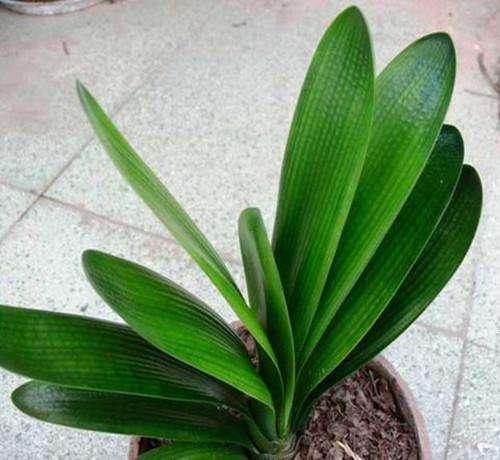
People who regularly grow flowers inevitably run into situations where they kill their plants. Many times, when we feel they can't be saved, we just throw them away - whether it's a Clivia (Clivia miniata), a Jade Plant (Crassula ovata), a Money Tree (Pachira aquatica), a Snake Plant (Sansevieria trifasciata) - these easy-to-grow flowers, or other flowers that are not so easy to grow. The main reason these flowers die is root rot. If you're not careful with routine watering and fertilizing, root rot is very likely to occur.
1. First Aid for Flowers
When yellowing leaves, leaf drop, or withered leaves appear during routine flower care, the cause in most cases is root rot. Don't worry when this happens - if the problem lies with the roots, we start treating it from the roots. One pill is enough to save your flower's root system.
2. Repotting
Repotting can be said to be the only method. The problems that existed in the original potting soil are improved by repotting and changing the soil. The method is also relatively simple: first separate the potting soil from the plant, rinse the roots, cut away the rotted parts with a knife, and then let the roots dry.
3. Disinfection and Sterilization
After trimming off the rotted parts of the root system, it is best to soak the plant's roots in a potassium permanganate solution for one to two hours to kill the remaining bacteria and pathogens on the roots. This step is also very important, as it can prevent the roots from rotting again.
4. Vitamin B12
After treatment, soak them in a vitamin B12 solution for about ten minutes. Vitamin B12 also has a disinfecting and sterilizing effect. In addition, it can stimulate root activity, helping them to quickly survive and grow roots. After this treatment, you can repot them. After planting, you can also use the vitamin B12 solution to water the flowers, which can also help them grow roots quickly.
In addition, vitamin B12 can also be used as a foliar fertilizer. Spraying it on the leaves can increase the chlorophyll content and glossiness of the leaves. Generally, with careful care, there is still a very good chance the flowers will recover.