What should you do to rescue a wilted hydrangea grown at home?
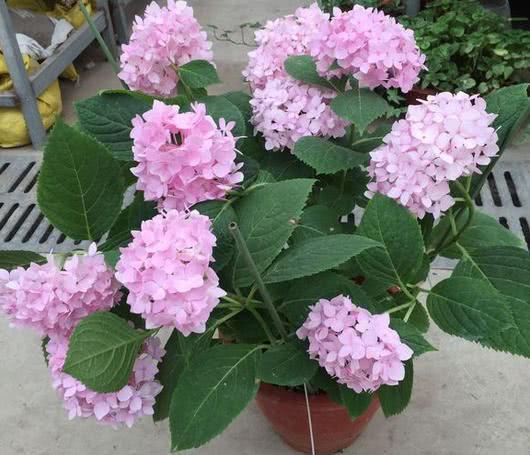
Hydrangeas grow vigorously and easily fill out their pot, and when they bloom they are a mass of clusters, each flower round and plump, really looking just like a hydrangea ball - you cannot say enough about how beautiful they are. The flowering period of hydrangeas is actually quite long, but as you care for them you find that the beautiful hydrangea has wilted - so what should you do?
1. Too much sunlight.
There are many reasons that cause hydrangeas to wilt, but too much sunlight is one of the most common, especially during these dog days of summer. Although it can take direct sunlight, on summer afternoons when the sun is too intense it is best to shade it, or pull up a shade net or something similar. Especially when it is blooming, reduce direct sunlight from noon to afternoon, otherwise the flowers will wither and drop early.
2. Insufficient water.
Hydrangeas need a fair amount of water, and the soil moisture should be kept in a moist state, with no prolonged drought. Especially during the flowering period, if water is insufficient, the delicate flowers are certainly the first to suffer. If the current watering amount cannot guarantee the plant's water supply, you can water once in the morning and once in the evening (especially when it is very hot), and you can also spray a little water on the leaves, but do not spray water on the flowers.
3. Fertilizer burn.
This depends on whether fertilizer was recently applied. If the plant had always been growing normally, and water and sunlight were also normal, and the flowers wilted shortly after fertilizing, then you should consider the problem of excess nutrients. First, stop fertilizing immediately and water only with plain water, letting the excess nutrients leach out with the water. Do not fertilize for at least 20 days, and afterward use half the previous concentration when fertilizing.
4. Soil on the alkaline side.
Hydrangeas are plants that like acidic soil. Of course, if the soil's pH deviation is not very large, the plant can grow as usual without being affected. But sometimes, because the roots absorb certain nutrients from the soil, the soil pH gradually changes. The solution is to water it with ferrous sulfate solution or potassium dihydrogen phosphate solution. Usually one or two applications will show results, used once every 15-20 days.