Camellia Summer Care Brief: A Guide to Winter Blooms with Summer Care
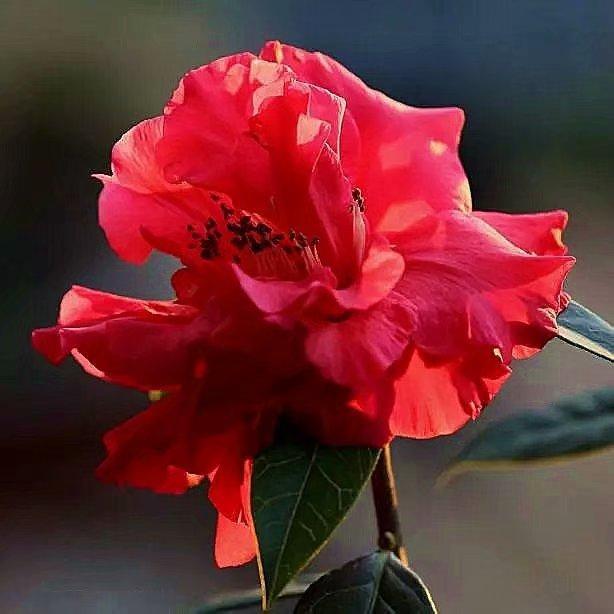
Camellia, also called camellia. In southern regions, it is mainly grown in the ground, while in northern regions it is mostly grown in pots for ornamental viewing. The flowering period of camellia is in late winter and early spring, so this forum calls it a winter flower. Summer is the peak growing season for camellia, and whether management measures are proper or not directly affects the quality of the blooms. Based on this forum's many years of experience growing camellias, we would like to briefly share a few key points of summer management with fellow flower growers.
1. Shade and light. In northern regions, the summer sun is intense. Camellias prefer warm and moist climate conditions and cannot withstand scorching sun. From about 11 a.m. to 3 p.m., they must be shaded from light. You can use shade netting, bamboo blinds, or similar covers over them. Placing potted plants under tree shade for care is also a measure. However, on rainy days, potted plants should not be placed under trees. The rainwater dripping from some trees is not good for camellia growth, such as the drip from trees like Chinese scholartree and parasol tree; in severe cases, it can poison potted camellias to death. Shade and light seem contradictory, but they are not. During the peak growing season, the plant needs active photosynthesis. If the growing environment is too shady, photosynthesis cannot proceed normally, so the fertilizer in the potting soil cannot be converted into nutrients for the plant. The light quality in the morning and before 11 a.m. is the best, so do not miss this good opportunity.
2. Eat well and drink well. During the peak growing season, camellias need a large amount of phosphorus and potassium fertilizer to ensure flower bud development. The fertilizer in the original potting soil cannot meet the plant's needs, so topdressing must be continued. The interval should generally be about one week. The fertilizer should preferably be decomposed organic liquid fertilizer. Soak soybeans with a little ferrous sulfate for about one month, and then it is ready to use. The fertilizer concentration must not be too high. With each watering, add three or four tablespoons for mature plants. Keep the potting soil moist. After one thorough watering, it is best to water the plant by spraying, which can both moisten the leaves and increase air humidity. The best times for watering are morning and evening.
3. Bud thinning and shoot pinching. Camellia flower buds mostly appear in clusters. At the top or axil of a flowering branch, multiple flower buds can sprout at the same time. Due to the constraints of pot space, these flower buds mostly cannot fully open. In the early stage of flower bud growth on camellia plants, buds rarely drop on their own. Only when they are about to open do the poorly developed buds wither and fall off due to insufficient nutrient and water supply, and by then most of the nutrients have already been consumed. Many camellia lovers' potted plants do not bloom well, and failure to thin buds in time is the main reason. The principles of bud thinning are: keep the center and remove the side buds, keep strong ones and remove weak ones, keep outer ones and remove inner ones, pick low ones and keep high ones. "Keep the center and remove the side buds" means keeping one bud in the central position among the flower buds and removing the side buds around it. "Keep strong ones and remove weak ones" means keeping healthy, vigorous buds and removing poorly growing buds; it also means keeping buds on strong flowering branches and removing buds on weaker branches. "Outer" refers to the outside of the canopy, and "inner" means the inside of the canopy. The principle is that buds on the inner side of the canopy should not be kept. Buds sprouting from flowering branches at the base of the plant have no need to be kept and are recommended to be removed. As for shoot pinching, camellias have the growth characteristic of naturally forming a full and upright canopy and do not tolerate pruning. To control plant shape, first, you can use the direction of light by rotating the pot's placement position 180 degrees at set times; second, you can use shoot pinching for regulation. For overly tall main branches, leggy branches, and overly dense branches, remove the leaf buds promptly.
4. Disease prevention and pest control. The main disease of potted camellias in summer is leaf spot. The main symptoms of leaf spot are blackening and drying of leaf tips and young leaves, and finally falling off. If the number of affected leaves is small, simply remove the diseased leaves. If there are many affected leaves, spray the leaves with a pesticide for control. The main pest is scale insects. Scale insects attach to the underside of leaves and are not easy to notice. If the plant's leaves turn yellow and show small dark brown spots, it is very likely damage from scale insects. When the number of potted plants is small, manual removal is the most effective method.