What are the common spices? A detailed introduction to 27 spices
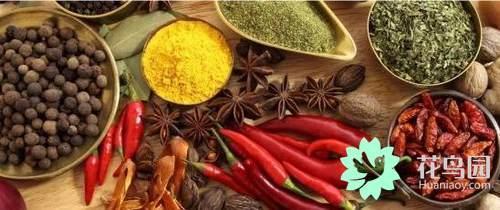
Spices are something we cannot do without. We need them for cooking dishes, for making soup, and sometimes even for brewing medicine. So, do you know what common spices we have? Let's get to know them together today!
Common spice plants:
1. Star anise, also known as large fennel, woody fennel, or da liao, is a woody plant. It is a flavoring spice. Its taste is sweet and fragrant. It is excellent whether used alone or combined with other herbs (aromatic herbs). It is mainly used for braised, stewed, simmered, and slow-cooked animal ingredients. It is sometimes also used for vegetarian dishes, such as stewed radish or braised dried tofu. Star anise is the main seasoning in five-spice powder. It is also the most important spice in braising liquid.
Properties:Warm in nature.Functions:Treats abdominal pain, calms vomiting, regulates the stomach and harmonizes the middle, treats hernia and abdominal masses, dispels cold-dampness, soothes the liver and warms the stomach.
2. Fennel (namely fennel seed), also known as small fennel or grass fennel. It belongs to the herbaceous aromatic plants and is a flavoring spice. Its taste is sweet and fragrant, and it can be used alone or combined with other herbs. The tender leaves of fennel can be used as dumpling filling, but they are rarely used for seasoning. Fennel seed is mainly used for braised or boiled poultry and livestock dishes, or for beans, peanuts, and bean products.
Its taste, properties, and functions are basically the same as those of star anise.
3. Cassia bark, also known as cinnamon, namely the bark of the cinnamon tree. It belongs to the aromatic woody plants. It is a flavoring spice. Its taste is sweet and fragrant, and it is generally used in combination with other herbs, rarely alone. It is mainly used for braised, simmered, boiled, and slow-cooked poultry, livestock, and game dishes. It is the main seasoning in braising liquid.
Properties:Very hot in nature, drying to fire.Functions:Benefits the liver, unblocks menstruation, promotes blood circulation, dispels cold, and removes dampness.
4. Cinnamon twig, namely the slender twigs of the cinnamon tree. Its taste, uses, properties, and functions are the same as those of cassia bark, except that it is less strongly flavored than cassia bark.
5. Bay leaf, namely the leaf of the cinnamon tree. Its taste, uses, properties, and functions are the same as those of cassia bark, but its flavor is lighter.
6. Sand ginger, also known as shan nai or shan la. It belongs to the herbaceous aromatic plants. It is a flavoring spice. Its taste is pungent and fragrant. It can be eaten raw or cooked. It is good whether used alone or combined with other herbs. It is mainly used for braised, stewed, simmered, and roasted animal dishes. It is often processed into powder for use, and is used more often in Cantonese cuisine.
Properties:Warm in nature.Functions:Enters the spleen and stomach, opens stagnant knots, drives away foul qi, and treats symptoms such as stomach cold pain.
7. Angelica, belongs to the herbaceous aromatic plants and is a flavoring spice. Its taste is sweet, bitter, and fragrant. It is mainly used for stewing and boiling livestock or game dishes. Because its flavor is extremely strong, the amount used is very small; otherwise, it will ruin the dish instead.
Properties:Warm in nature.Functions:Nourishes blood and invigorates blood circulation, regulates qi and releases the exterior, and treats menstrual irregularities, leukorrhea, dysmenorrhea, anemia, and other conditions in women. It is a fine medicine for gynecological disorders.
8. Schizonepeta: It belongs to the herbaceous aromatic plants and is a flavoring spice. Its taste is pungent and fragrant. Its uses are not wide; it is sometimes used for braised or boiled meat, and is mainly used as a vegetable.
Properties:Warm in nature.Functions:Enters the lungs and liver, dispels wind pathogens, and clears the head and eyes.
9. Perilla, belongs to the herbaceous aromatic plants, and is used both as a flavoring and as a vegetable. Its taste is pungent and fragrant. Its uses are not wide. However, when used for stir-fried river snails, the flavor is excellent, and it is sometimes used for boiling beef and mutton.
Properties: Warm in nature. Functions: Releases the exterior and disperses cold, regulates qi and harmonizes the middle, eliminates phlegm and relieves wheezing, and promotes menstruation and invigorates the collaterals. It can treat wind-cold common cold, fever with aversion to cold, cough and wheezing, nausea and vomiting, and poisoning from eating fish and crab. Its stem can smooth qi and calm the fetus.
10. Mint, belongs to the herbaceous aromatic plants. It is used both as a flavoring and as a vegetable. Its taste is pungent and fragrant. Its uses are not great; it is mainly used for preparing beverages and sugar water, and is sometimes also used for sweet dishes.
Properties: Warm in nature. Functions: Clears the head and eyes, disperses wind-cold, benefits the throat, moistens the heart and lungs, and eliminates bad breath.
11. Yellow gardenia, also known as mountain gardenia, belongs to the woody plants. It is a flavoring spice and also a natural pigment, orange-red or orange-yellow in color. Its taste is slightly bitter with a faint fragrance. Its uses are not great; it is sometimes used for seasoning poultry or rice products, and generally mainly for coloring.
Properties:Cold in nature.Functions:Clears heat and drains fire, and can clear heat in the heart and lungs. It mainly treats vexation due to febrile disease, red eyes, jaundice, vomiting blood, epistaxis, heat toxin, sores and ulcers, and other conditions.
12. Angelica dahurica, belongs to the herbaceous aromatic plants and is a flavoring spice. Its taste is pungent and fragrant. It is generally used in combination with other herbs. It is mainly used for braised, simmered, and slow-cooked poultry, livestock, and game dishes.
Properties:Warm in nature.Functions:Dispels cold and removes dampness, reduces swelling and discharges pus, and clears the head and eyes.
13. White cardamom, belongs to the herbaceous aromatic plants and is a flavoring spice. Its taste is pungent and fragrant. It is used in combination with other herbs. It is often used for braised, simmered, and slow-cooked poultry and livestock dishes.
Properties:Hot in nature, drying to fire.Functions:Enters the lungs, disperses pathogens and breaks stagnation, and harmonizes the stomach and stops vomiting.
14. Grass cardamom, belongs to the herbaceous aromatic plants and is a flavoring spice. Its taste is pungent, fragrant, and slightly sweet. Used in combination with other herbs, it is mainly used for braised, boiled, simmered, stewed, and slow-cooked poultry, livestock, and game dishes.
Properties:Hot in nature. Functions: Its flavor and nature are more intense than white cardamom. It warms the stomach and the middle, treats cold pain in the heart and abdomen, disperses chest qi and benefits the diaphragm, treats vomiting, dries dampness and strengthens the spleen, and can resolve stagnant phlegm and internal toxin.
15. Nutmeg, belongs to the herbaceous aromatic plants and is a flavoring spice. Its taste is pungent, fragrant, and bitter. Combined with other herbs, it is used for braised poultry and livestock dishes.
Properties:Warm in nature.Functions:Warms the middle and disperses counterflow, enters the stomach and removes pathogens, directs qi downward and moves phlegm, and strengthens the intestines and stops diarrhea.
16. Tsao-ko, belongs to the herbaceous aromatic plants and is a flavoring spice. Its taste is pungent and fragrant. Combined with other herbs, it is used for braised, simmered, boiled, and slow-cooked meat dishes.
Properties:Hot in nature and drying to fire.Functions:Breaks the qi of miasmic epidemics, releases cold in the spleen and stomach, and arrests malaria and removes phlegm.
17. Turmeric, belongs to the herbaceous aromatic plants and is a flavoring spice. Its taste is pungent, fragrant, and bitter. It is a spice used for both color and flavor; it is both a spice and a natural pigment. It is generally used mainly for coloring, and combined with other herbs, it is used for beef and mutton dishes, and sometimes also for chicken, duck, fish, and shrimp dishes. It is also a main ingredient in curry powder and satay sauce.
Properties:Warm in nature.Functions:Breaks qi and moves blood stasis, dispels wind and removes cold, and reduces swelling and relieves pain.
18. Amomum fruit, belongs to the herbaceous aromatic plants and is a flavoring spice. Its taste is pungent and fragrant. Combined with other herbs, it is mainly used for braised, simmered, slow-cooked, and boiled meat dishes or bean products.
Properties:Warm in nature.Functions:Expels cold and quickens qi, stops vomiting, treats stomach pain, and relieves stagnation and resolves phlegm.
19. Galangal, belongs to the herbaceous aromatic plants and is a flavoring spice. Its taste is pungent and fragrant. Combined with other herbs, it is used for braised, simmered, and slow-cooked dishes.
Properties:Warm in nature.Functions:Removes cold, stops pain in the heart and abdomen, disperses counterflow, and treats clear drool and vomiting.
20. Clove, also known as chicken-tongue fragrance, belongs to the aromatic woody plants and is a flavoring spice. Its taste is pungent, fragrant, and bitter. It can be used alone or combined with other herbs. It is often used for steamed in a bowl, braised, slow-cooked, boiled, and simmered dishes, such as clove chicken, clove beef, and clove tofu skin. Because its flavor is extremely rich, it must not be used in large amounts; otherwise, it will produce the opposite effect.
Properties:Warm in nature.Functions:Disperses the middle and warms the stomach, benefits the kidneys and strengthens yang, and treats vomiting.
21. Sichuan pepper, also called Sichuan pepper, is in fact not unique to Sichuan, nor is the best necessarily produced in Sichuan. It is produced in North China, Northwest China, Central China, East China, and other regions of our country. Sichuan pepper belongs to the woody plants and is a flavoring spice. Its taste is pungent, numbing, and fragrant. It can be used with any animal ingredient. It is suitable whether used alone or combined with other herbs, but it is mostly used for fried, boiled, braised, simmered, stir-fried, roasted, and pan-fried dishes. It is suitable for both meat and vegetarian dishes. In Sichuan cuisine, the use of Sichuan pepper is broader and more frequent.
Properties:Warms the middle and dispels cold.Functions:Cold pain in the epigastrium and abdomen due to spleen-stomach deficiency-cold; abdominal pain due to roundworm; vomiting and diarrhea; cough and wheezing due to lung cold; cough and wheezing due to lung cold; toothache due to dental caries; genital itching and leukorrhea; eczema with itchy skin.
22. Cumin, a flavoring spice, pungent and fragrant in taste. It is usually used alone, mainly for roasted, pan-fried, and fried mutton, beef, chicken, fish, and other dishes. It is a commonly used and favored spice in the Northwest region. Cumin's flavor is extremely strong and distinctive. People from the South find this flavor harder to accept, so there are very few dishes with cumin in Southern cuisine.
Properties:Hot in nature.Functions:Disperses wind and dispels cold, warms the stomach and removes dampness.
23. Pepper, belongs to the vine plants and is a flavoring spice. Its taste is strongly pungent and fragrant. It can be used with any animal ingredient. It is suitable for both soups and dishes. Because its flavor is extremely strong, the amount used is very small. It is often ground into powder for use. Pepper is used fairly widely in Cantonese cuisine.
Properties:Hot in nature.Functions:Dispels cold, lowers qi, relieves abdominal distension, dispels wind, and removes phlegm. Note: Pepper can cause sores and stir up fire, harming yin; those with stomach fire and excess heat should avoid eating it.
24. Licorice, also known as sweet herb, is an herbaceous plant, a flavorful spice, sweet in taste. Mainly used for cured and smoked products and braised dishes.
Properties:Neutral in nature.Functions:Harmonizes the middle, neutralizes a hundred toxins, tonifies qi and moistens the lungs, stops cough, drains fire, and relieves all types of pain. It can treat qi deficiency and fatigue, poor appetite and loose stools, cough and asthma, sore and swollen throat, sores and poisoning, and spasmodic pain in the abdomen and limbs. Note: Eating too much causes vomiting.
25. Monk fruit, a vine plant, a flavorful spice. Sweet in taste. Mainly used for braised dishes.
Properties:Cool in nature.Functions:Clears heat, detoxifies, tonifies qi, moistens the lungs, resolves phlegm, stops cough, relieves summer heat, promotes body fluid, clears the liver, brightens the eyes, moistens the intestines, and soothes the stomach. It can treat many diseases of the respiratory, digestive, and circulatory systems, and has especially notable effects on bronchitis, acute and chronic pharyngitis, asthma, high blood pressure, and diabetes.
26. Lemongrass, an herbaceous plant of the aromatic herb category, a flavorful spice. Fragrant in taste, slightly sweet. It is usually ground into powder for use. Mainly used for grilled dishes. Also used to prepare compound sauces.
Properties:Cold in nature.Functions:Reduces fire, promotes urination, and clears the lungs.
27. Dried tangerine peel, that is, dried orange peel. A woody plant. A flavorful spice. Pungent, bitter, and fragrant in taste. Suitable whether used alone or in combination with other medicines. Mainly used for meat dishes such as braised, stewed, steamed in bowls, and simmered. Also used to prepare compound sauces.
Properties:Warm in nature.Functions:Drives out cold and removes dampness, regulates qi and disperses counterflow, stops cough and phlegm.