Detailed Explanation of Key Cultivation Techniques for Prunus conradinae (Huazhong Cherry)
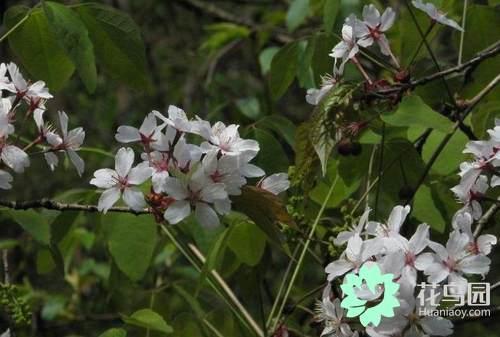
The petals of Prunus conradinae are white or pink, and the flowering period is relatively short. The fruit is red and edible, the wood is of fine quality and can be used for interior decoration and carving, and the flower shape is unique and vivid, making it suitable for ornamental viewing. It has comprehensive development and utilization value and is also a relatively ideal tree species for flower and fruit viewing.
Planting
Before planting, level the ground and dig a hole 0.8 m in diameter and 0.6 m deep. First fill the hole with 10 cm of organic fertilizer, place the seedling into the hole, and spread the roots outward in all directions. After filling with soil, lift the seedling slightly upward so the roots spread deeply, then firm the soil. The planting depth should be about 5 cm above the upper layer of the seedling roots. After planting, water thoroughly and irrigate fully, then support with sticks to prevent strong winds from blowing it over. At planting, apply 15 kg-25 kg of decomposed compost per pit. In July, apply 1 kg to 2 kg of ammonium sulfate per plant. After flowering and before bud break in early spring, prune out dead branches, diseased and weak branches, and excessively vigorous branches. Avoid pruning thick branches as much as possible to keep the crown full and well-rounded.
Watering
After planting, seedlings are prone to drought damage. In addition to thorough watering at planting, water once every 8-10 days thereafter, keeping the soil moist but without standing water. Loosen the soil promptly after watering, and preferably cover the ground surface with a thin layer of grass to reduce water evaporation. Within 2-3 years after planting, wrap the trunk with rice straw to prevent it from drying out. However, after 2 to 3 years, as the seedling grows new roots and its adaptability to the environment gradually increases, wrapping with straw is no longer necessary. Watering should be determined according to rainfall conditions and soil moisture, generally in combination with fertilization. It should be sufficient but not excessive, controlling the tree with water and regulating fertilizer with water. Water 3-4 times per year. Where water-saving facilities are available, controlled drip irrigation helps integrate water and fertilizer and improves the utilization rate of both.
Fertilizing
Cherries are fertilized twice a year, with acidic fertilizers being preferable. One is winter fertilizer, applied in winter or early spring using organic fertilizers such as soybean cake, chicken manure, and decomposed manure; the other is applied after flowering, using quick-acting fertilizers such as ammonium sulfate, ferrous sulfate, and superphosphate. For fertilizing large cherry trees, the hole application method can generally be used, that is, at the edge of the vertical projection line of the crown, dig a ring-shaped trench about 10 cm deep and apply the fertilizer into it. This method is both simple and beneficial for root absorption. As the tree grows, the diameter and depth of the fertilizing ring trench should also increase accordingly. Cherry roots are shallowly distributed and require good drainage and aeration, so around the tree, especially within the root distribution zone, the soil must never be compacted by people, livestock, or vehicles. Trampling by pedestrians will weaken the tree, shorten its lifespan, and may even cause root rot and death.
Pruning
Pruning mainly involves cutting out withered branches, excessively vigorous branches, overlapping branches, and diseased or pest-infested branches. In addition, when many branches grow from the trunk of a large cherry tree, several vigorous branches should be retained and the rest cut off entirely from the base to improve ventilation and light penetration. After pruning, disinfect the wounds promptly with medication to prevent pathogens from entering after rain and causing decay. After prolonged exposure to the sun, cherry bark is prone to aging and damage, leading to decay, so it should be removed promptly and disinfected. Afterward, wrap the decayed areas with leaf mold and charcoal powder to help restore normal physiological function.
Flower Preservation
July-August is the concentrated period of flower bud differentiation in cherries. Through a reasonable tree structure, increase ventilation and light penetration and improve leaf photosynthetic efficiency. Through technical measures such as bending branches to open the angle, pinching, twisting shoots, and moderate drought, regulate the balance between vegetative growth and reproductive growth to provide sufficient nutrition for flower bud differentiation. Late frost is the main hazard during the flowering period. Use methods such as smoke, water spraying, and flower-preserving agents to reduce damage. During the flowering period, pay close attention to weather forecasts and field temperature changes.
Quality Fruit
Cultivate high-quality flowers, increase the application of organic fertilizer, thin fruit to stabilize yield, spray foliar fertilizer during the fruit growth period, increase field water-holding capacity during the young fruit stage, prevent fruit cracking, and prevent deformed fruit.
Growing Grass
Advantages of growing grass in orchards: improving soil, increasing organic matter, enhancing fertility, regulating soil temperature, maintaining moisture, improving the orchard micro-ecological environment, increasing temperature differences, and improving fruit quality. Orchard grass growing generally adopts the pattern of growing grass between rows and mulching between plants. The main grass species is white clover, though natural grass can also be chosen. Mow 2-3 times a year.