Kalanchoe summer care methods to produce flower buds in autumn and bloom brilliantly in winter and spring
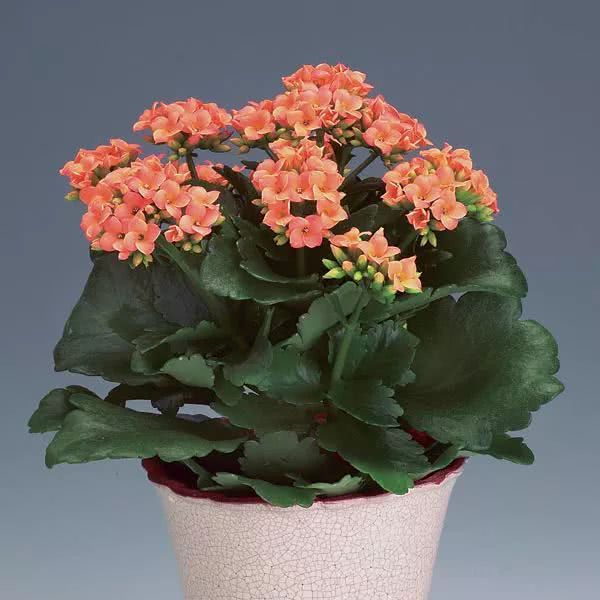
Kalanchoe is actually a type of succulent plant, and it grows very slowly in summer. If the temperature is too high, it can easily stop growing or slow its growth, which is similar to the growth habits of most succulents. For gardening enthusiasts caring for kalanchoe, summer care is also very important. Only with proper care can it bloom brilliantly in winter and spring.
In summer, when caring for kalanchoe, besides avoiding excessively high temperatures, also be careful to avoid scorching sun or excessive direct sunlight. It can be placed on an east-facing windowsill, where appropriate scattered light each day is enough. During the afternoon and midday when the light is strong, be sure to provide shade, otherwise the leaves can easily become sunburned and leave ugly spots.
In summer, when caring for kalanchoe, besides providing appropriate shade, also pay attention to controlling watering. Summer is not the peak growing season for kalanchoe, so reduce the frequency of watering. Be sure to wait until the soil has been dry for a few days before watering again.
In addition, be careful not to spray water directly onto the leaves, and even more importantly, do not let water accumulate in the center of the leaves, otherwise it can easily cause the leaves or the plant to rot.
When caring for kalanchoe, also pay attention to the timing of watering. Avoid watering at midday or in the afternoon when the sunlight is strong, otherwise it can easily burn the leaves. When the weather is clear and the environment is well ventilated, you can choose to water at night. Of course, it is best to water in the morning when the sun comes out.
In summer, when caring for kalanchoe, avoid propagating by stem or leaf cuttings. Strong sunlight or excessively high temperatures can easily cause the plant to rot. Even if leaf cuttings successfully sprout and take root, they are very difficult to grow afterward. The best time for cutting propagation is in spring and autumn.
If the environment is shady and the temperature is suitable, maintaining a temperature between 18 and 26 degrees is most suitable for cuttings. When taking leaf or stem cuttings, do not water first. Cut a section of stem about 9 cm long, then remove the lower leaves and place it in a ventilated, shaded area to let the wound dry. Generally, it takes 2 to 3 days before planting it in soil, then grow it in a brightly lit and ventilated place. After 7 days, water it with a little clean water, and after 2 to 3 weeks, gradually expose it to light.
In summer, when caring for kalanchoe, also avoid fertilizing, otherwise it can easily burn the leaves. The best time to fertilize kalanchoe is in spring and autumn. When the summer temperature is too high or the winter temperature is low, it is not suitable to fertilize. In spring, you can give kalanchoe an appropriate supplement of balanced fertilizer, and avoid fertilizers with too high a nitrogen content. After the weather turns cool in autumn, regularly supplement with monopotassium phosphate, which can very well promote flowering.