The magical water that flowers love most: drink it and they bloom more and burst out of the pot
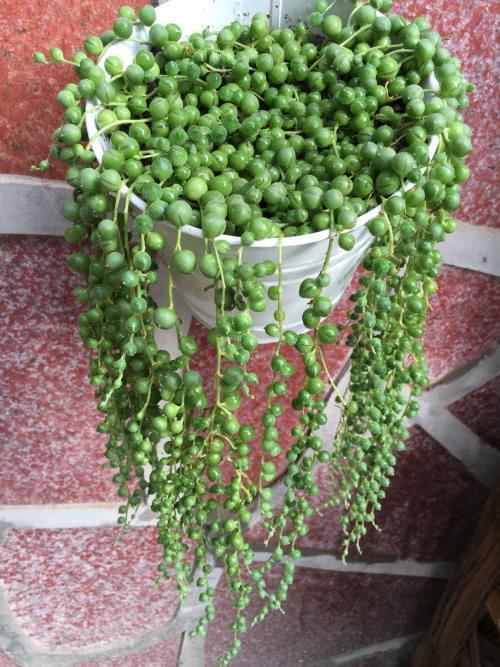
Fertilizing is a very important part of growing flowers day to day. Without enough nutrients, flowers will not grow well either, so fertilizing is also a very important part of the flower-growing life. However, the fertilizing methods we need differ from plant to plant, and we can use different fertilizing methods according to different plants.
1. Water from blanching meat - keeps foliage plants green all year round
Foliage plants are very common potted flowers in the home, and they are also quite prone to yellowing leaves. But there is no need to worry, we can give them a little water from blanching meat, which can turn the yellow leaves of the flowers green again. When cooking meat dishes, we usually blanch raw meat and pork ribs once with boiling water first, which can remove the blood and meat residue from the meat. The nitrogen content in it is very high and can provide nutrients for the flowers.
Collect the water from blanching meat, put it into a clean bottle, and add a few pieces of orange peel to reduce the smell. Generally, seal it and place it on the balcony, and after about twenty days it will be completely decomposed. After that, you can take the upper clear liquid, dilute it, and use it to water the flowers.
The water from blanching meat is rich in nitrogen and is more suitable for large-leaf foliage plants such as Peace Lily, snake plant, Monstera deliciosa, money tree, and clivia. After absorbing the nutrients in it, the leaves will become greener and greener.
2. Fish intestine soup - makes flowers bigger and more brightly colored
Many friends who grow flowers well get a big mass of blooms at once when they flower. If they are not grown well, it is hard to see them bloom. At this time, we can try giving them a little fish intestine soup, which can make the flowers and plants grow more vigorously and bloom more.
The fish intestines, fish scales, internal organs, and so on left over from preparing fish for meals contain relatively high phosphorus, especially potassium. Phosphorus and potassium are important elements for blooming and bud formation. The fermentation method for fish intestines is similar to that for the water from blanching meat. After washing the fish intestines clean, boil them in water and cook them into a white thick soup, then let it cool and set aside.
Put the thick soup into a clean plastic bottle, then place it in the light to decompose. Generally, after about two weeks it will be completely decomposed. Take the upper clear liquid, dilute it, and use it to water the flowers. This method mainly supplements phosphorus fertilizer and is quite suitable for flowering plants such as hydrangea, Christmas cactus, kalanchoe, and cyclamen.
3. Leftover tea
Leftover tea contains trace elements such as potassium, calcium, magnesium, zinc, nitrogen, and phosphorus. After being absorbed by plants, it can promote the opening and growth of flowers. Add a little brown sugar to the collected leftover tea, which can speed up the fermentation of the tea. Cover it well, and generally after three or four days it can be used. It contains a variety of trace elements and is quite suitable for flowers such as gardenia, Aglaia odorata, and rhododendron.