How do you prune Sedum rubrotinctum? Prune it this way for a better look
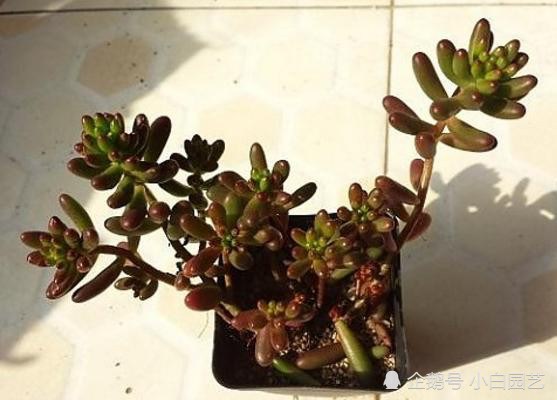
The plump, vibrant Sedum rubrotinctum is like tempting little candies, melting the hearts of many succulent lovers. The stems of Sedum rubrotinctum grow extremely fast, the leaves are fairly densely packed, and too many leaves drop off naturally, so while controlling watering, you also need to do proper pruning to maintain the appearance and shape of Sedum rubrotinctum; you cannot just let it grow freely. So how should Sedum rubrotinctum be pruned?
Pruning methods for Sedum rubrotinctum
Pruning time
The best time to prune succulents is spring and autumn, because most succulents are in their peak growing season during this period. After pruning, the mother plant can more easily and quickly produce new heads, and the beheaded cuttings also take root and grow more easily.
Pruning tools
When pruning succulents, it is recommended to use tools such as a utility knife, a scalpel, or even fishing line, which are less likely to damage the plant tissue (scissors are not recommended, because with some succulents that have thicker or woody stems, using scissors easily crushes the plant tissue).
Pruning location
When pruning, choose a relatively bare part of the stem (you can also intentionally let the succulent etiolate earlier to make it easier to position the cut). Cut it off with a scalpel, and while cutting, be careful to hold the succulent steady and not let it wobble, so you do not injure the plant or yourself. If, when cutting it off, the cut areas on both the mother plant and the beheaded cutting are crushed or cracked, cut those areas off again, which is better for the succulent's regrowth.
Pruning precautions
After beheading, the mother plant should be placed in a ventilated spot, and the wound must be kept from rain and water, otherwise it is prone to infection; reduce light to help the new head sprouts grow; place the beheaded cutting in a bright, ventilated spot without direct light for about a week, and plant it only after the wound has completely dried and shrunk. After planting, do not rush to give it light either; wait until the succulent has grown roots and is stable after 2-3 weeks, then gradually increase the light.
The above are the pruning methods for Sedum rubrotinctum. Have you all mastered them? In many cases, pruning Sedum rubrotinctum is closely related to its etiolation. Below, let us walk you through the causes of etiolation in Sedum rubrotinctum and the solutions.
Causes of etiolation in Sedum rubrotinctum
Etiolation in Sedum rubrotinctum is mainly due to uncoordinated living conditions. For the succulent Sedum rubrotinctum, this means a lack of sufficient sunlight and too much watering.
Solutions
There are two effective measures to suppress plant etiolation: first, expose it to as much sun as possible; second, control the amount of watering.
If you want Sedum rubrotinctum to look good with plump leaves, both light and watering amount must be appropriate. If you give it only light and no water, the leaves will become shriveled, and once they are shriveled to a certain degree, no matter how you water them afterward, the leaves will not plump up again. Over time, the plant will not only fail to grow, but will even shrink.