Grow your own chili peppers: master a few simple tips for more flowers, more fruit, and branches laden with peppers
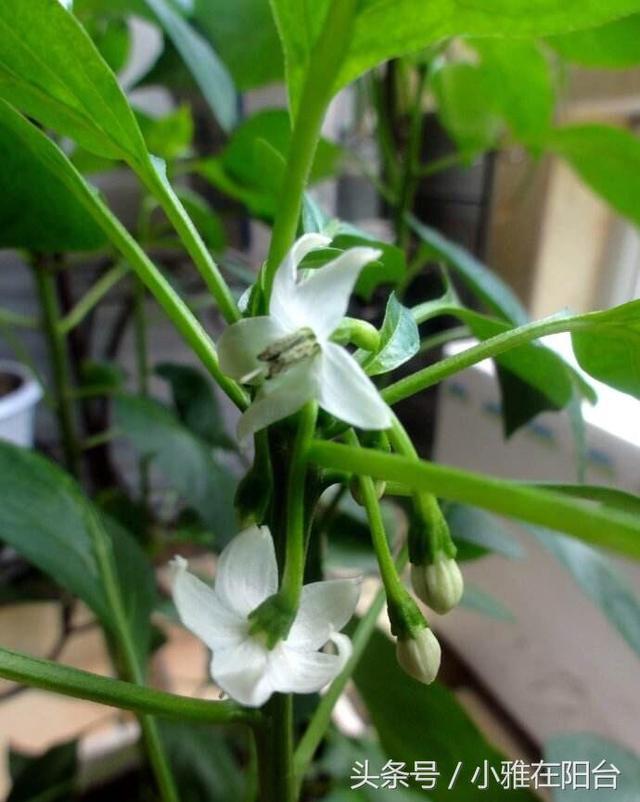
For people who love chili peppers, no meal is complete without heat. Buying peppers at the supermarket or market is a hassle and a waste of time, so it is better to grow a few pots at home. It is actually very simple and requires hardly any effort. However, some friends say that the peppers they grow on their balcony grow very tall, but why do they not bloom or set fruit? How can you make your chili pepper seedlings produce more flowers, more fruit, and a high yield?
Methods and tips for growing chili peppers at home
Choose a flower pot with a diameter greater than 30 cm and a depth of more than 10 cm. If the pot is too small, there is too little soil and not enough nutrients, and the chili pepper seedlings will struggle to grow.
Apply plenty of base fertilizer. Choose loose, fertile leaf mold or peat soil, add some coarse sand and the like. Overly compacted and poor soil will not produce a bountiful chili pepper harvest either.
Plant at most one to two chili pepper seedlings per pot. Too many will only compete for nutrients, and the nutrients in a flower pot are limited, so you need to thin the seedlings: pull out the weak, small chili pepper seedlings and keep the strong, healthy ones.
The surplus chili pepper seedlings can also be transplanted into spare flower pots. If you cannot find flower pots, you can even use empty oil drums to grow them; one empty oil jug is just right for growing one plant. Growing a few more pots of chili peppers also means more will be produced.
One reason chili peppers set little fruit is that they get too little sunlight, which easily causes leggy growth, so they only grow tall and do not flower or set fruit. Therefore, place them in a sunny spot in good time. In summer, provide appropriate shade to avoid high-temperature scorching.
Be sure to fertilize more. Once the chili peppers have grown to more than 10 cm tall, fertilize once every half a month. Along with nitrogen fertilizer, phosphorus and potassium fertilizer are also needed.
General organic fertilizers can all be used: fermented rice-washing water, cake fertilizer, and animal manure are all fine. Only with sufficient fertilizer can the chili pepper seedlings grow luxuriantly, with more flowers and more chili peppers set.