How do you deal with shriveled aloe vera leaves? A few effective methods
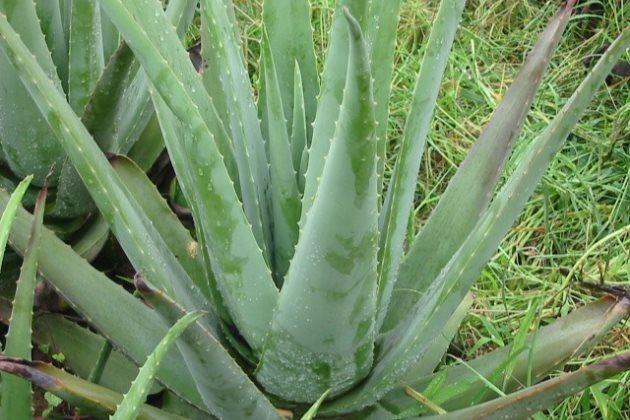
Aloe vera is very easy to grow, but during care, some flower lovers still inevitably run into unexpected problems with it. For example, root rot, or shriveled leaves, and so on. A flower lover said that recently, after keeping an aloe vera at home for a few months, for some unknown reason, the leaves all slowly began to dry up. Usually they had not skimped on watering or fertilizing either. What exactly was going on? Its leaves had just shriveled like that, and the aloe vera they had worked so hard to grow was gone just like that. With this doubt, they asked quite a few flower lovers, and finally managed to gain some experience about why aloe vera leaves shrivel. Now I will share it with everyone.
When watering, you do not pay attention, and for a period of time you only water the leaf surface of the aloe vera without letting it reach the roots, which ultimately causes the aloe vera to shrivel from lack of water. Soil compaction can also cause aloe vera leaves to shrivel. If there are no other weeds or the like around the aloe vera's pot, using pure garden soil will lead to compaction, and this is a phenomenon that easily occurs after watering many times. After the soil compacts, its water permeability and air permeability become worse, and this easily leads to shriveling in aloe vera. Therefore, we can regularly loosen the soil for the aloe vera, and when loosening the soil, try as much as possible to avoid damaging its roots. Usually, when weeds grow on top, we do not need to pull them out immediately. We can prune them a bit to prevent the weeds from growing too fast and consuming nutrients. Pruning them off will leave roots that continue to grow new small seedlings, and the stems will also slowly thicken. At this time, we can pull them out, which can also have the effect of loosening the soil.
If you use a plastic pot to plant it and the pot is not easy to aerate, it can very easily cause poor root respiration in the aloe vera, thereby affecting leaf growth. Sometimes the planting soil clumps, which easily makes it difficult for the roots in the pot to absorb water or nutrients, thus causing shriveled leaves in the aloe vera. When aloe vera has grown for a certain number of years, we need to transplant it, change the pot, and change the soil. When changing the pot and soil, be careful not to damage too many roots. It is recommended that when changing pots, remove some of the outer soil and old roots, and keep as much of the soil wrapped around the inner part as possible, to prevent too much damage to its roots. Otherwise, after changing the pot and soil, shriveling and a long time to settle in will occur.
Aloe vera likes to grow in a semi-shaded environment. Growing in a semi-shaded environment allows it to grow with thick stems and fat leaves, and stay green all year round. Aloe vera that is exposed to sunlight for a long time generally grows relatively thin and weak, with yellowish leaf color. If it is grown outdoors and also experiences long-term drought, shriveled leaves are relatively likely to appear. If aloe vera is placed in the sun for too long, the leaf surface easily dehydrates and turns yellow, especially when the weather is hot in summer, and the leaves quickly shrivel. If aloe vera is placed in the wrong spot, such as in summer or winter, if it is kept for a long time under an air conditioner or next to a refrigerator, shriveled aloe vera leaves easily occur.
Aloe vera can also develop leaf blight. If you find small brown spots at the leaf tips or leaf edges of the aloe vera, and afterward the leaves become semicircular and withered, this indicates that the aloe vera has already been infected with leaf blight. For growing aloe vera, we had best place it in a semi-shaded environment with plenty of scattered light. If light comes from only one side, in order to maintain the plant's upright state, we can regularly rotate the pot. Aloe vera grown in a semi-shaded environment lignifies slowly and grows relatively thick and plump. Grown outdoors, it lignifies very quickly, and once it lacks water and encounters strong light, shriveling and cracking easily occur.
If you find that the aloe vera's leaves are shriveled, and the shriveled parts are in the lower half and appear scorched and withered, this means the aloe vera is deficient in potassium. At this time, you can supplement the aloe vera with some potassium, and just apply more potassium fertilizer. If a few leaves of the aloe vera are shriveled, but the other leaves still look intact, then at this time the aloe vera's roots may have been injured. You can check whether the aloe vera's root system has separated from the stem, or whether the aloe vera's leaves have been injured.
This is a gathering place for succulent plant lovers, sharing succulent care tips. Welcome to follow and exchange ideas.