If the rotten roots of a clivia come off with a twist of your fingers, the potting soil's nutrients are well absorbed and it will bloom early
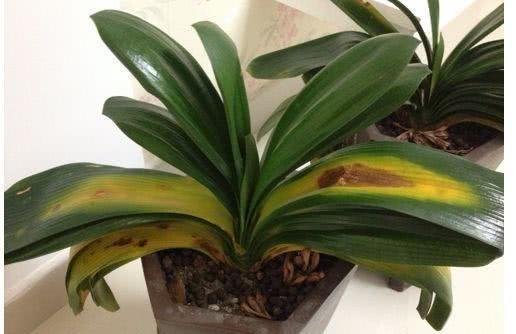
Clivia is a plant with a great deal of character. In ancient times, a poem described it as "it does not dance for the east wind though it bears a sword, its pure stamens outshine even a first-rate red." Not only are its colors plain and elegant and its sword-shaped leaves upright, but its flowers are also extremely splendid when it blooms, so it is much loved by many flower lovers. Many flower lovers treat potted clivia in only ordinary ways, such as fertilizing and watering, but after a long time they find that their clivia actually stops growing, and some even wither.
At this point, if you have examined all the conditions and found that no problems appeared in the process, then this is a reminder to go look at the roots of the clivia. Generally, it is time to clean up the old roots. Because when a clivia is potted for a long time, its old roots gradually weaken in their ability to absorb nutrients until they lose it, and at this time we should promptly clean up the old roots to better promote metabolism and the birth of new roots. Removing the old roots is very simple. The more correct method is to rotate the old roots that need to be cleaned up 360 degrees, and at this point the old roots will fall off on their own.
As shown in the picture, this is the part of the old roots of a potted clivia
And the old roots are the part we need to clean up (the blue part)
What the blue part shows is the old roots we need to clean up.
And this is the condition of the clivia after cleaning:
The cleaning process is the process of twisting off the old roots of the potted clivia
And as shown in the picture, this is the part of the clivia's old roots that have been cleaned off.
Finally, repot the clivia whose old roots have been removed.
The above is a specific photo demonstration of removing old roots from clivia. So, to ensure that your clivia can grow healthily, you had best clean up those useless old roots every year. This is not only good for the clivia itself, but also fills your home life with vitality and a distinctive touch of color.