When succulent leaves turn soft, rot and look listless, there is still time to save them
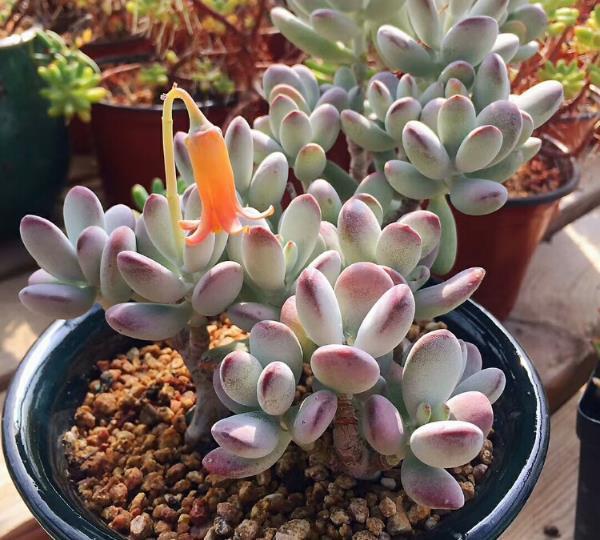
When succulent leaves start to rot, a summary of the causes of the mold shows it is related to watering, air humidity and ventilation conditions. If you water too much in summer, the soil moisture becomes too high, and there is not enough time to drain away the excess water; at this point the roots rot and then mold. Most succulents refer to certain plants in the families Cactaceae, Crassulaceae, Aizoaceae, Euphorbiaceae, Liliaceae and others, and their original growing environment is the arid tropics, so if rain is frequent, it will undoubtedly cause succulents to develop mold and rot.
Succulents of the genus Crassula do not actually need much water, especially in summer, though those white mold spots seem to have little effect on succulents. The best way to prevent succulents from molding is to keep them from getting too much rain, and usually not to water too much either, and also to place them somewhere ventilated. As the saying goes, treat both the symptom and the root cause; there are mainly three ways to treat mold in succulents. First, change the soil: if the roots have molded, cut away the diseased parts, switch to sandy soil and continue growing them, which helps drainage and moisture permeability. Second, pull off the diseased leaves to block the spread of mold. Third, use chemicals to sterilize.
Watering succulents too much can, to a certain extent, cause the plants to rot because the roots lack oxygen, so in summer it is also better to loosen the soil for succulents at the right time. When you find that a succulent's root system has already rotted, the only solution is to cut off all the rotten roots until you see fresh fleshy roots, spray on plenty of carbendazim, let it dry in a cool, ventilated place for a few days, and then repot it. In fact, besides mold, succulents are also prone to another problem in summer: leaves changing color and scorching. This is because summer temperatures rise, and if they are still often exposed to strong sun, the leaves will age, change color and have scorched tips. It is recommended to place them in a half-shade, half-sun environment.
Root rot in succulents of the Haworthia genus is relatively hard to judge in summer, because in summer the rot can spread unusually fast, directly invading the main stem; after you water heavily, it can enter the stem tissue in as little as 3-5 days, causing irreversible rot of the whole plant. High summer temperatures accelerate microbial metabolism, and heavily watered Haworthia plants can also develop whole-plant rot more quickly and thoroughly. Therefore, during summer dormancy, stretching out the watering rhythm and letting the plants maintain a certain degree of dormant shrinkage is relatively safe for Haworthia.
If a succulent has already begun to rot, how should it be treated? It depends on how bad the rot is. If most of the roots have rotted, then it probably comes down to luck; if only a small part has rotted, then give it more sun and water less, and in summer do not place it in direct sunlight. Succulent leaves store a lot of water, and direct sunlight will cook them. Rot may appear because you watered too much or the soil is too moist; try to keep it dry. Succulents like sun and tolerate drought, so there is no need to water them often.
If the root rot of a succulent is slightly more serious, you can gently cut off the leaves and lay completely healthy leaves flat on the surface of the soil, and after fifteen days they will take root and sprout; you can also use the slanting insertion method, which sprouts a little more slowly but ensures the roots go directly into the soil. Note that during this period you should avoid strong light, and placing them in diffused light or even a hidden spot is most suitable. If the root rot is relatively mild, you can use scissors to clean away the rotten roots; note that not even a trace of rotten root should be left. Then apply carbendazim to the wound to sterilize it, and after the wound at the roots dries, repot the plant. From then on, take care not to let water accumulate in the pot; water only when the soil has dried out completely, and when you water, water thoroughly.
This is a gathering place for succulent lovers, sharing succulent care tips.