A Buddhist pine at home keeps poverty away for generations; if you want to grow it well, just do this and you are all set
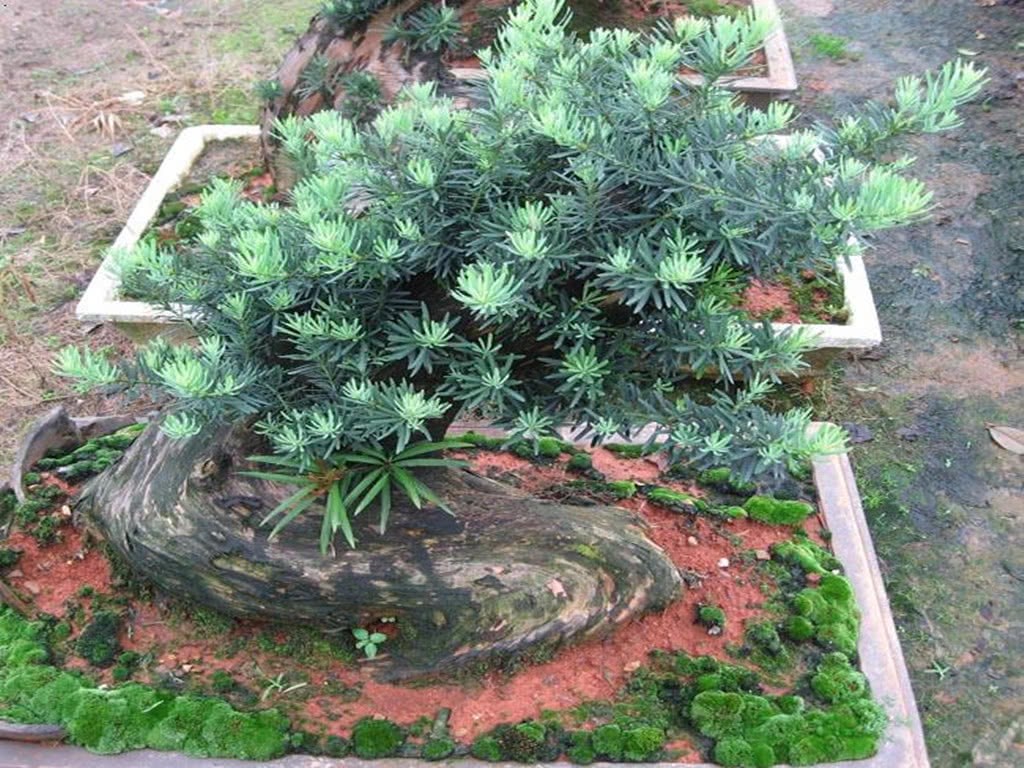
A Buddhist pine at home keeps poverty away for generations; if you want to grow it well, just do this and you are all set.
Caring for the Buddhist pine is becoming more and more popular these days. City people have limited space and prefer potted plants, while rural people have more space and prefer planting in the ground. So wherever you go, you will see Buddhist pines. In fact, this has to do with the tree species' own survival characteristics and the auspicious meaning associated with the Buddhist pine itself.
The Buddhist pine, as a bonsai that people often care for now, is favored by people. Not only because it has relatively high ornamental value, but also because it carries excellent auspicious meaning. As the saying goes, a Buddhist pine at home keeps poverty away for generations. So in rural areas, you can see it everywhere. However, caring for the Buddhist pine also requires skills and methods, otherwise we may end up killing it.
First, you need to know the characteristics of the Buddhist pine. Friends who like Buddhist pines all know that the Buddhist pine likes a warm and humid climate environment, is not cold-tolerant, and has strong shade tolerance. So when we care for the Buddhist pine, we must master the methods of caring for it.
When cultivating the Buddhist pine, the soil we choose must be sandy soil with good drainage. At the same time, the most suitable temperature for caring for the Buddhist pine is around 25°C. After it survives and is growing normally, it generally needs fertilizing once a month. At this time, it is recommended to apply some compound fertilizer with a relatively high nitrogen content. It is worth noting that the growing medium for potted Buddhist pine is not like that for ground planting; the potting medium requires a slightly acidic culture soil rich in humus, loose and fertile, and well-drained. In alkaline soil, the leaves of the Buddhist pine turn yellow and growth is slow. Its lifespan is long, reaching several hundred years, or even over a thousand years.
Since the Buddhist pine is not a plant of the pine family, it is not drought-tolerant. On the contrary, the Buddhist pine is tolerant of shade and moisture, and during the growing period you need to pay attention to watering it often, but it should not become waterlogged. On sunny days in summer, pay attention to watering often, generally once in the morning and once in the evening. In addition, you should often spray water on the leaf surface so the leaves stay bright green and grow well. Summer rainfall is usually relatively abundant as well, and the Buddhist pine is not tolerant of waterlogging, so be careful to prevent long periods of standing water.
Finally, pay attention to the fact that the Buddhist pine can suffer from pests and diseases. It is mainly susceptible to leaf spot disease and anthracnose. At this time, we can spray with a 500-fold dilution of 50% thiophanate-methyl wettable powder. If the pests include scale insects, red spider mites and bagworms, we can spray to kill them with a 1500-fold dilution of 40% omethoate emulsifiable concentrate. Remember these points above, and generally speaking, there will not be any major problems in growing the Buddhist pine well. But if you want your Buddhist pine bonsai to have a good shape and attract more attention, then it depends on your own pruning and shaping skills. At the same time, do you have any other good methods for caring for the Buddhist pine?