This wild fruit is full of water inside, its vitamin C content is second only to kiwifruit, and it is hailed as the king of vitamins.
I grew up at my grandma and grandpa's house. When they went to work in the mountains, they would take me with them, because no one else in the family was around to watch me. Like a wild child, I searched all over the hills and fields for all kinds of wild fruits, and when I was thirsty I would drink a little mountain spring water. Even now, remembering that life still feels very pleasant. But now, with environmental destruction and large-scale reclamation of wasteland, many wild fruits have become very scarce. Some wild fruits we often ate as children are now basically nowhere to be seen, and their prices are extremely high.
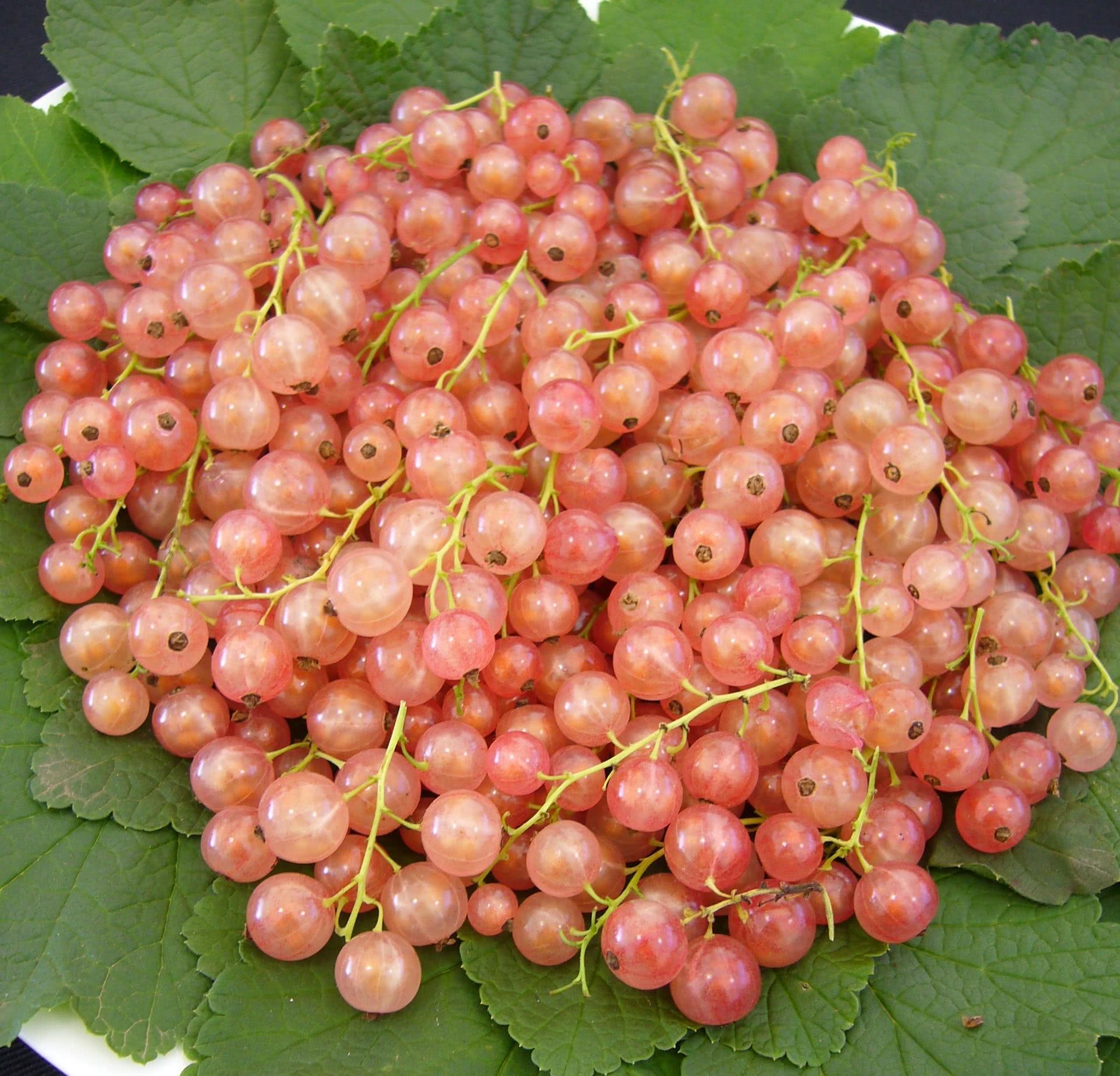
The wild fruit I want to introduce today is one of the wild fruits we often ate as children, but now it is rarely seen. Because there are relatively few wild ones now, it has reached a high price of 80 yuan per jin, which is really very high among the fruits we usually eat. One jin of this fruit can buy many jin of apples and bananas. I wonder if friends who have eaten it now regret not having eaten more when they were children. I will not keep you in suspense any longer. People born in the 1980s should all have eaten this fruit. This wild fruit is the gooseberry.
Gooseberry fruits come in red, white, and black. It is a berry, with no visible flesh inside, only watery liquid. The juice inside tastes sweet and sour, and one bite is full of water. Its taste is very different from the fruits we usually eat. It is mainly distributed in the highland areas of northern China, and it is still relatively common in Northeast China. That is quite fortunate, because people elsewhere cannot eat it even if they want to. Its harvest period is very short, and its shelf life is also very short. It spoils very easily, which is also one reason for its high price.
For this relatively expensive fruit, we still rarely get to eat it. Besides being relatively rare and inconvenient to store, what other benefits make it worth buying? The gooseberry is very nutritious, and its vitamin C content is very high. In every 100 grams of gooseberries, the vitamin C content reaches 200 milligrams, second only to kiwifruit, and it is hailed as the "king of vitamins" among berries. It also has certain effects in lowering blood lipids and blood pressure, and can help enhance our body's resistance.
Gooseberries can be eaten directly after being picked, but because their shelf life is very short, friends a little farther away cannot eat fresh gooseberries. In order to let friends in the south also taste this fruit, most gooseberries are made into jam and juice, which makes storage a little more convenient and extends the shelf life.
Friends, have you ever eaten gooseberries? Is there anyone who likes to eat them?