Potassium dihydrogen phosphate has good fertilizer efficiency, but it only works if used the right way
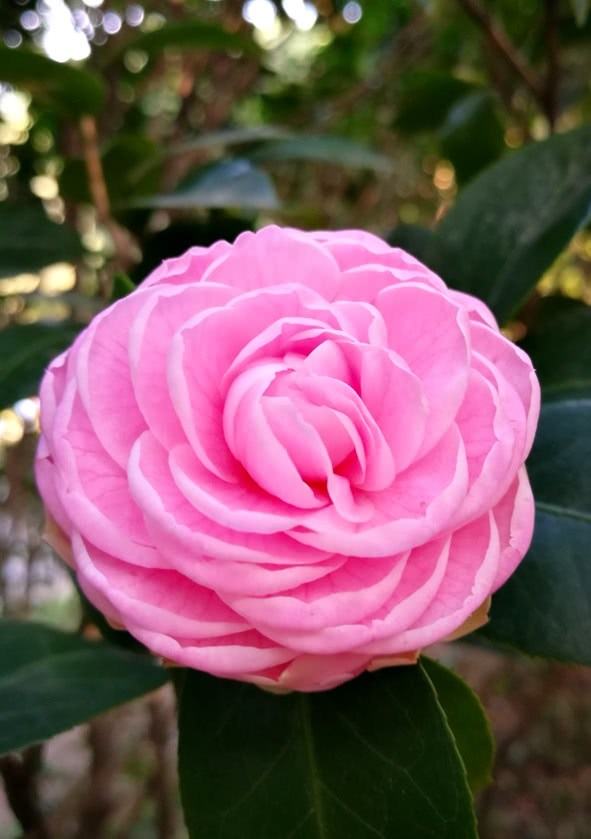
Nutrients are indispensable for growing flowers. More fertile soil, full of nutrients, can make the root system grow thick and strong, and improve disease resistance, reducing the chance of root rot. In addition, regular top dressing also plays a crucial role in the growth process of flowers!
Potassium dihydrogen phosphate is the most common phosphorus-potassium fertilizer nowadays. It contains about 52 percent phosphorus and 34 percent potassium. If sprayed promptly before flowering and at bud formation, potassium dihydrogen phosphate can promote flower bud differentiation, increase the number of flowers, make the blooms large, and extend the flowering period. The effect is first-rate.
Although potassium dihydrogen phosphate has good fertilizer efficiency, if you do not use the right method, is it really effective? Let us take a look together!
When using potassium dihydrogen phosphate, the dilution concentration is very important. It is usually mainly sprayed on the leaves, and spraying the leaves gives good results and takes effect quickly. During the growth period, frequently spraying the leaves with a 0.3 percent potassium dihydrogen phosphate solution can make the branches strong and the leaves lush, with many flowers and bright colors.
Moreover, during the bud stage, spraying 0.3% potassium dihydrogen phosphate, 2 to 3 times in a row, can also make the flowers large and bright, and extend the flowering period, and the frequency of use is about once every 10 to 15 days.
Moreover, the time of use is also very important. It is usually used in the morning or evening, and spraying the leaves with a small spray bottle is enough. The effect is excellent.
Therefore, when using potassium dihydrogen phosphate, pay attention to the concentration and the time of use! Otherwise, too high a concentration can easily cause fertilizer damage and have the opposite effect, while too low a concentration means insufficient nutrients, which is also no good. Only when used at the right time will it produce good results.