6 great uses for eggshells in gardening: they work as fertilizer and also repel pests
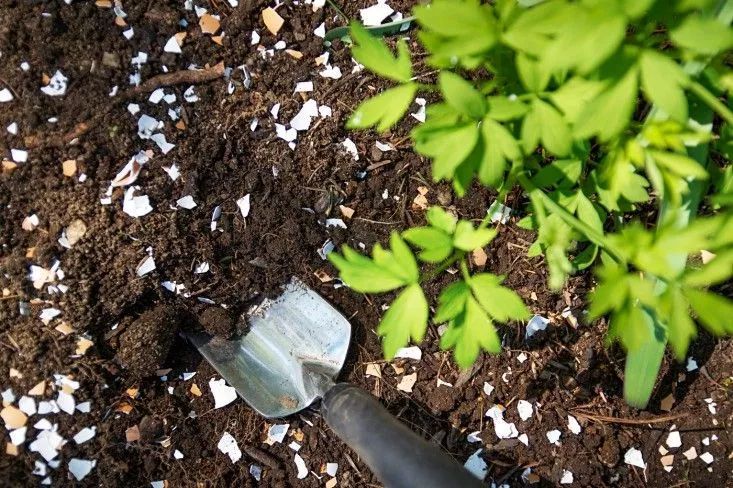
In our lives, eggs are an indispensable ingredient, and we usually throw away the leftover eggshells as trash. In fact, they can become excellent fertilizer and can also be made into material for repelling pests. Below, let's dig into the most common uses of eggshells in gardening.
About 96% of the composition of eggshells is calcium carbonate. If eggshells are placed directly into the soil, they will release very rich calcium, which can do a very good job of promoting plant growth.
1. Eggshell fertilizer
Turning eggshells into fertilizer is an excellent method, and the process is also very simple. When composting, you can directly put some crushed eggshells into it. After eggshells are crushed, they are still very easy to decompose and readily release calcium. However, before use, they must first be washed clean, dried in the sun, and then used for composting.
2. Compost material
Ordinarily boiled eggs can also be used for composting. Before use, they must also be washed clean, then placed under blazing sun and sun-dried for 2 to 3 days. Finally, they can be crushed into powder, and the fragments can be mixed into the soil.
After spring warms up, you can mix eggshell powder directly into the soil, but avoid direct contact with the plant's root system. You can dig holes along the edge of the flower pot, bury the eggshell powder in them, and then water thoroughly.
When planting tomatoes and peppers, appropriately adding some eggshell powder is very effective. It can do a very good job of supplementing calcium for the plants and preventing the plants from lodging or the flowers from dropping.
3. Repelling pests
If slugs and snails often appear in your yard, then eggshells can be used. They have a relatively good effect on repelling slugs and snails, and the method of use is also very simple. You can directly wash the eggshells clean, then break them into small fragments, and scatter them directly around the plants. In this way, you can keep the pests from getting close.
Slugs and snails both belong to the mollusks, and they are relatively sensitive to prickly things, and eggshell fragments can play exactly this role.
4. Seedling cultivation
Eggs can become very interesting and practical seed-raising pots. You can wash the eggshells clean, then use a needle to poke holes in the bottom, and sow seeds directly on top of the eggshells.
Before use, it is best to use eggshells that have been boiled in water, as this can avoid residual pathogens. Hot water above 60 degrees can completely remove the residual pathogens on the eggshells.
5. Feeding role
Besides being used as fertilizer or to repel pests, eggshells can also supplement calcium for birds. For example, before laying eggs, hens need relatively more calcium. We can place eggshells in an empty oven at about 120 degrees. After about ten minutes, they can be completely dried, and then the eggshells can be crushed and made into powder. Then, in spring and summer, it can be mixed into the ground where birds are fed. Eggshells can supplement a certain amount of calcium for poultry and birds.
6. Top-dressing medium
Eggshells can also become a very beautiful and fresh top-dressing medium. Crushed eggshells look very cute. Before use, the eggshells must also be heated and crushed. You can put them in a relatively large glass and stir them.
Eggshells collected ordinarily must be washed clean before use, heated and disinfected, and blanched once with boiling water. After that, they can be dried in the sun, then directly crushed and spread on the soil surface. Not only do they have a certain decorative effect, but in the end the calcium can also seep into the soil.