It's a misconception that the more shoots a rose sends up, the better; skip this step and it will struggle to bloom
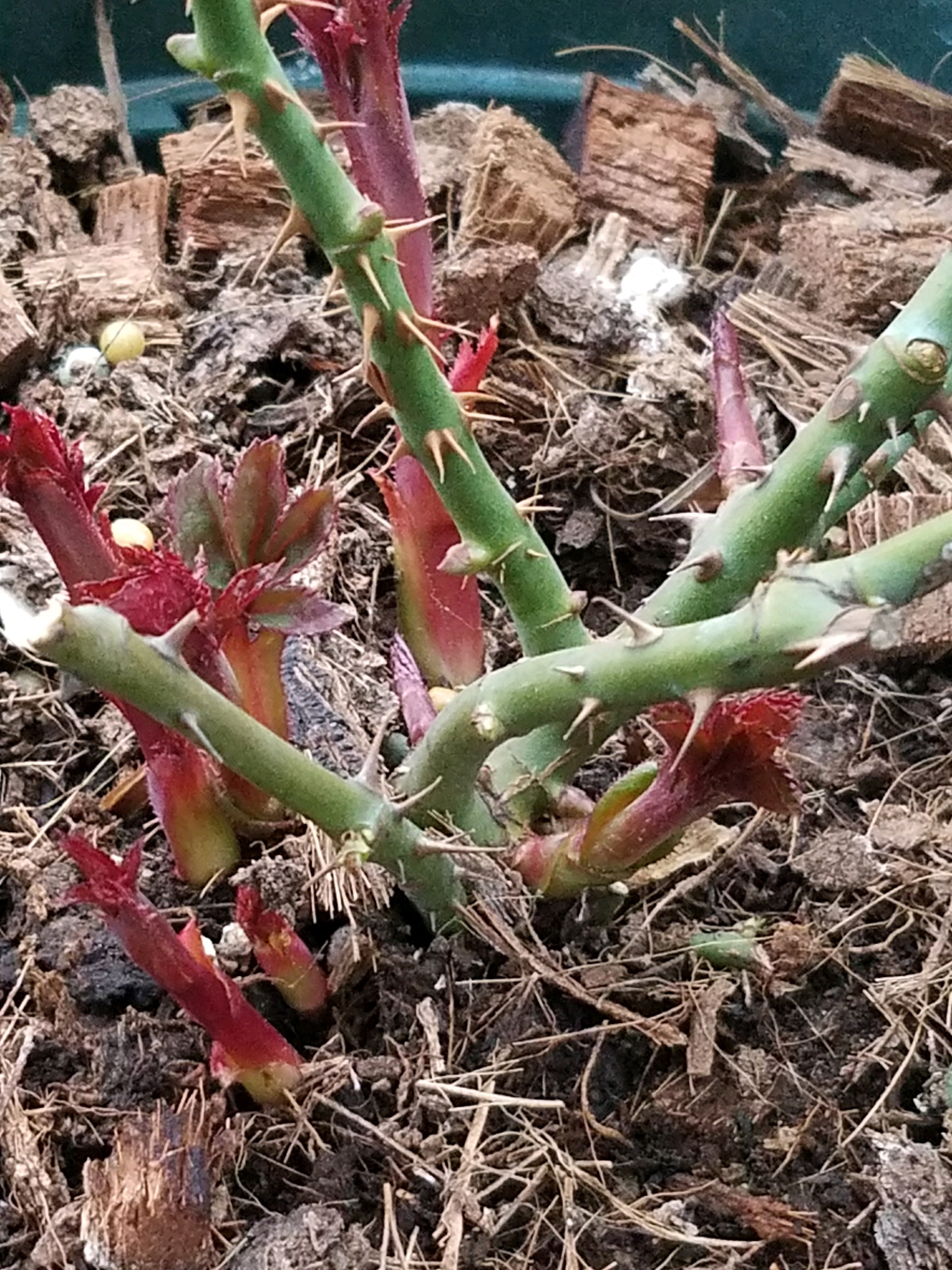
I'm sure everyone has heard that after a big shoot comes a big flower, so rose lovers all look forward to the arrival of basal shoots - they are the main force behind blooming. Seeing basal shoots sprouting up thick as chopsticks, aren't you happy? Don't celebrate too soon - skip this step and your rose will not only have an ugly shape, but also bloom less.
Why do I say that? Because the basal shoots grow so vigorously that almost all the plant's nutrients are concentrated in them. The other branches then lack nutrients, so they sprout slowly, have weak blooming ability, and the plant shape looks bad. The basal shoots grow too fast and block light from the other branches, so those branches weaken and in severe cases wither. In the end our rose becomes a "one-branch wonder," so after a big shoot, you really may not get a big flower.
Although we all say that to get more flowers you must first grow the plant big, some roses really don't bloom much on strong branches - Swedish Queen, for example. It has good upright growth, strong apical dominance, and very vigorous growth, so it easily grows only branches and no flowers. To make it bloom more, we need to remove the apical dominance, encourage new branches, and get it to flower more. So proper pruning is still very necessary, and basal shoots are no exception.
So how should we handle basal shoots? First, we must make sure they can support themselves. What does that mean? As you all know, the leaves of basal shoots are red - at this stage they lack chlorophyll and cannot carry out photosynthesis. Wait until at least 1/3 of the leaves have turned green; then they have photosynthetic ability, meaning they can be self-sufficient, and that's when we can safely prune.
If it's a small plant, you can choose the height you like to cut at, wherever you think more branching will look good on the plant shape. If it's a large potted plant, you can prune back to the point where the old branch first branched, so that new branches are encouraged there too, avoiding the problem of one shoot towering alone, and the plant shape will be more balanced.
After pruning, feed it something to help it recover and encourage new branches - after all, it's a heavy feeder. We can use an organic nutrient solution specially made for roses, purely plant-fermented, with no added hormones. It can be applied to both roots and leaves, won't release harmful gases, and is safe to use indoors. Apply once every 7 days to make the rose grow lush, with glossy green leaves, bloom early, and burst into a pot full of big, vivid flowers.
Actually, when it comes to basal shoots, quite a few rose lovers can't bear to cut them. But for overly "outstanding" basal shoots that grow too vigorously, pruning is still beneficial in the long run. Of course, rose lovers should also decide based on their own rose's growth conditions.
People who grow roses may be happier to see a basal shoot than to see a flower, but if you want a big shoot to produce big flowers, don't forget this step - only then can your rose bloom nonstop.