Grow hydrangeas this way: the leaves will be green and large, they will bloom all over the branches every year, and one plant can become many pots
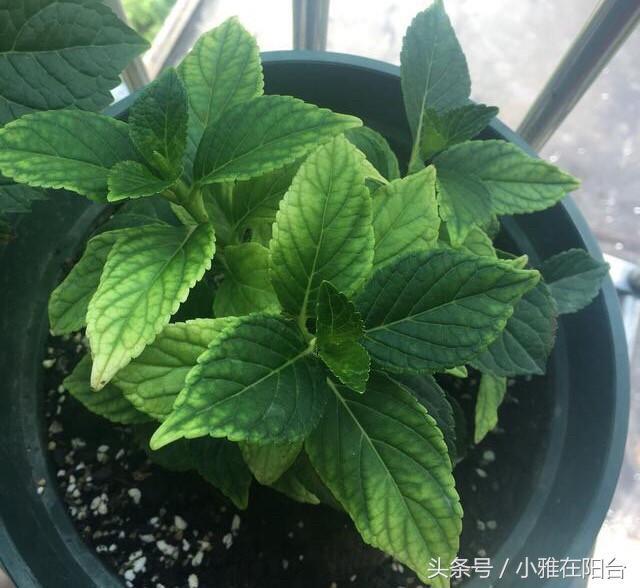
Hydrangea, also called seven-change flower or eight-immortal flower, blooms especially beautifully, as gorgeous as a hydrangea ball. It is also very easy to grow and propagate, even easier to plant than Chinese roses and roses, but some gardeners find that the leaves of the hydrangeas they grow turn yellow, and some even wither. What exactly is going on? How can the leaves be made emerald green, the growth lush, and the flowering abundant?
Hydrangea planting methods and tips
You do not need to buy seedlings to grow hydrangeas; you can directly root cuttings from branches. They can be cuttings at any time in spring and autumn. Choose a branch about 10 cm long and cut the leaves in half.
After cuttings, water and shade them, just do not let them get sunburned, and in half a month tender leaves will grow out. They root faster than Chinese roses and roses. You can grow as many pots as you want.
If you want hydrangeas not to have yellow leaves, and for the leaves to be green and large, you usually need to pay attention to these points:
Watering cannot be too little or too much. After too much watering, the roots soak in water, causing waterlogging, which easily leads to yellow leaves. But in summer you also cannot go several days without watering. If it is too dry, the leaves lack water and also turn yellow. In short, when you see the potting soil is dry, water thoroughly.
If hydrangeas are grown outdoors and rainwater accumulates in the potting soil, the accumulated water in the flowerpot should be poured out promptly.
Stop fertilizing during high summer temperatures, and do not apply concentrated fertilizer or raw fertilizer. Below 28 degrees, you can apply some decomposed organic fertilizer, or ordinary flower fertilizer is also fine.
Apart from slight shading in summer, hydrangeas need sufficient light at other times. With insufficient light for a long time, the branches and leaves grow thin, weak, and elongated, the leaves become thinner, the leaf color loses its luster, and there are fewer flowers, so they need frequent sun exposure.
Iron deficiency in hydrangeas can also cause yellow leaves. It is a plant that prefers an acidic soil environment, so occasionally water it with some ferrous sulfate or monopotassium phosphate solution. As long as you spray it two or three times in a row, the leaves will become green and energetic again, in very good condition, and growing vigorously.
If you want hydrangeas to bloom a lot, you need to change the potting soil once every one to two years, moving from a small pot to a large pot, because it grows too quickly and the nutrients in the previous potting soil can no longer meet its growth needs. After changing to fertile, loose soil and a larger pot, it will grow especially wildly, every branch will have flowers, and it will bloom in a full pot.