The benefits of aquatic plants are greater than you might think, and Hangtei Aquarium suggests giving them a try as early as possible
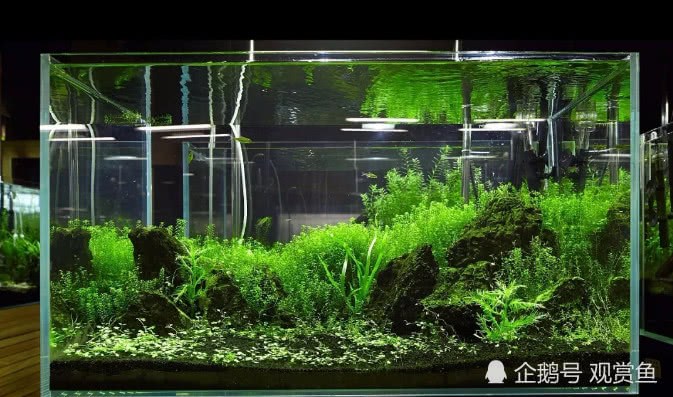
Many fish keepers wonder: can aquatic plants provide oxygen? Can they purify water quality? In fact, adding aquatic plants to an aquarium has many benefits. Not only are they beautiful, but aquatic plants and fish complement each other in both motion and stillness.
1. Can aquatic plants produce oxygen?
Aquatic plants can produce oxygen. Under light, aquatic plants continuously release oxygen into the water, and likewise into the bottom layer of the aquarium. Frankly speaking, no artificial equipment can perform the same function. In an aquarium, oxygen is usually released into the water in a dissolved form, but in some cases it is visible; for example, tiny oxygen bubbles may rise from damaged leaf surfaces to the water surface.
2. Can aquatic plants purify water quality?
Aquatic plants can purify water quality. In an aquarium, aquatic plants and ornamental fish work together, complementing and enhancing each other. Under light, aquatic plants absorb carbon dioxide from the water for photosynthesis and release oxygen for aquatic animals to breathe. Aquatic plants also absorb nutrients from the water, reducing organic pollution and thus purifying water quality. They can also provide hiding places for timid fish and block light for fish that dislike strong light.
3. The benefits of keeping aquatic plants
1. The metabolism of fish in an aquarium and the decomposition of feed easily produce large amounts of ammonia and nitrite, which through action form nitrate. Nitrate is not decomposed and accumulates in the water, causing water quality to deteriorate and damaging the entire aquatic living environment. Aquatic plants have the ability to absorb nitrate, reducing nitrate accumulation in the water and thus purifying water quality.
2. During their growth process, aquatic plants can release effective antibiotics, kill pathogens and disease agents in the water, reduce the content of harmful microorganisms in the water, protect fish from bacterial attack, and promote healthy fish growth.
3. Aquatic plants can absorb minerals, carbon dioxide, organic matter and other substances from the water and process them. In doing so, they reduce harmful substances in the water and reduce water pollution. They can also produce oxygen through photosynthesis, increasing the dissolved oxygen content of the water. In this way, they directly provide the driving force for the survival of fish and other aquatic organisms and balance the overall state of the water quality.
4. The most important function of aquatic plants in an aquarium is to enable fish to breed in the aquarium. Moreover, some fish especially like to lay their eggs on the leaf surfaces of aquatic plants. Without aquatic plants, fry would have nowhere to hide in the aquarium and could then be attacked by large fish that eat them.
5. Densely planting well-growing aquatic plants in an aquarium is the best way to prevent algae from spreading, because when competing with algae for nutrients, aquatic plants have a significant advantage. Of course, the prerequisite for aquatic plants to be stronger than algae is that they must grow and reproduce in the aquarium in a strong, healthy way.
Friends who are still hesitating about setting up a planted aquarium can give it a try~
If you want to learn more about ornamental fish keeping, you can choose to contact us through the following: professional personal WeChat: 281716330 / visit the official website: www.hangtei.com / WeChat public accounts: yugang-88 / guanshangyu-88 (unlimited daily pushes of great ornamental fish keeping articles)
Recommended practical equipment for fish keeping: Recommended practical equipment for fish keeping: https://yangyu.taobao.com/, or go to Pinduoduo https://mobile.yangkeduo.com/mall_page.html?mall_id=1215721 to grab orders, with many discounts, full of quality products, not to be missed~ If you have anything unclear about the above article content, you can leave a comment at the end of the article to consult me~