Potted orchids growing weak and running into problems? Time to repot right away
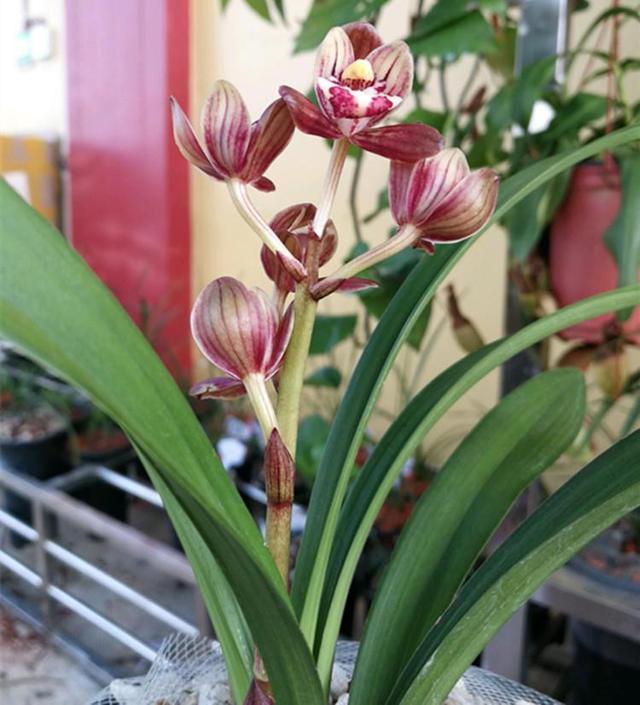
Fellow growers of potted orchids, because they constantly worry about orchids developing problems, they are cautious from the moment they plant an orchid, afraid to water it too much, afraid to fertilize. Then, as they keep growing it, problems really do appear. The orchid starts to look "thin," and the leaves are no longer green. So what should be done now?
Generally speaking, an orchid needs to be repotted once every 2-3 years of growing in its pot. If fellow growers notice that an orchid has become "thin" or has developed problems, any orchid with the following symptoms should be repotted right away.
1. The orchid clump is too dense
After 2-3 years of multiplication and growth, an orchid has more and more plants in the pot, which not only looks crowded but also lowers the orchid's sprouting rate and makes it prone to small weeds. At this point, fellow growers should repot the orchid right away.
2. Too many orchid roots
Many fellow growers use granular potting media for orchids, such as orchid-specific orchid soil. The orchid's root system in the pot is well developed, and after 2-3 years of growth it becomes a tangled mass, so not only is there no room for new roots to grow, but old roots and hollow roots remain in the pot, taking up space and easily breeding pathogens. So repot right away.
3. The potting medium has become poor
After several years of cultivation, the potting medium in the orchid pot has used up all its nutrients and become acidic, so not only are new shoots thin and short, but the whole pot of orchids is in a weakened state. In this situation, you should also repot right away. If you do not want to repot so frequently, fellow growers need to fertilize the orchid promptly during routine care, using an orchid-specific organic liquid fertilizer diluted 500 times and watered onto the roots.
4. Problems have appeared
The tangled orchid roots in the pot develop all kinds of physiological diseases during cultivation, and may even be infected by pathogens and viruses, causing diseased plants to collapse. To save the surviving orchid plants, repot right away, replace the potting medium and replant.
So what needs to be prepared for repotting a potted orchid?
First, soak the potting medium: most fellow growers who grow orchids use a mix of several granular potting media, and these granular media all need to be soaked before planting orchids. For example, Xiantu soil should be soaked for more than 2 days, and Zhijinshi, Zhenjiang orchid soil, orchid fungus soil, ceramsite and so on all need to be soaked as well. Soaking the potting medium generally requires sieving it first, dividing it into three grades of large, medium and small granules, then soaking it in disinfectant water to disinfect and sterilize the potting medium.
Second, choose and disinfect the pot: the size of the orchid pot should be chosen according to the orchid's variety and growth vigor. Usually, for one variety of orchid you should prepare at least two pot sizes, large and small, so that large plants go in large pots and small plants in small pots, and plants with many roots go in large pots while those with few roots go in small pots. Newly fired orchid pots should be soaked in water for more than 1 day, then soaked in a diluted fungicide solution for more than two hours, and after removal rinsed clean with clear water.
Third, withhold water from the orchid plants: start stopping watering 3 days before repotting, and do not let the potting soil stay moist. Slightly dry potting soil helps the repotting work go smoothly: first, it makes removing the plant from the pot easier; second, the soil ball breaks apart easily, which makes cleaning up convenient; third, with less water in the orchid roots they are less likely to break, which makes sorting the roots and dividing the plants easier, and the operation goes much more smoothly.