What to do when balcony bok choy turns yellow? Learn to grow delicious balcony vegetables
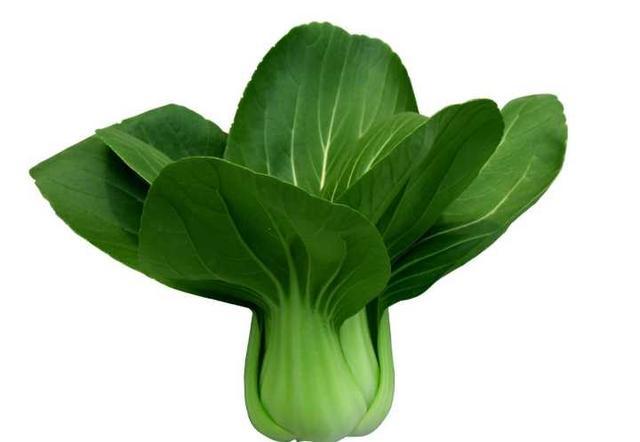
Most homes come with a balcony. The size of the balcony is secondary; if you have one, you can grow some flowers and plants on it. Of course, flowers and plants are what young people love to grow - after all, they usually spend a lot of time looking at their phones, and staring at screens for a long time makes the eyes feel especially tired. Going out to the balcony to walk around and look at the flowers and plants can be a way to change your mood and give your eyes a rest.
Of course, some people - usually older folks or middle-aged people - like to grow some vegetables on the balcony, like bok choy, small chili peppers, and scallions, ginger, and garlic. These vegetables don't take up much space and are relatively easy to grow, so they're quite popular. But some people can't even grow these vegetables well. Friends often tell me that perfectly good bok choy turns yellow as it grows, and even though they water it properly, it just doesn't improve. What on earth is going on?
1. Actually, it's not just bok choy - scallions and the like are also prone to this problem. Even small chili peppers can easily dry out and turn yellow if they aren't cared for properly. Why does this happen? First, the most important reason is probably a lack of water. Water is an indispensable nutrient for plants, including vegetables. But we often keep these vegetables in outdoor environments that are well-ventilated and directly exposed to sunlight, so the water evaporates easily. And on top of that, we're usually busy with work or school.
So there may be situations where the water supply is insufficient. But bok choy, scallions, and other leafy green plants make it easy for us to notice when something is wrong with them, because green leaves turning yellow is very intuitive and visible to the naked eye. With red chili peppers, if they turn a little yellow, it's hard to notice unless you look closely. If you're usually a bit careless, you might miss the best window to save them, and your months of vegetable growing could be wasted.
2. Besides lack of water, could there be other reasons? Of course there could be. Actually, some people do pay attention to watering, but why do the bok choy they grow still turn yellow? This might have to do with fertilizer, because bok choy and other vegetables are different from household plants. Fertilizers bought from flower and bird markets are mainly designed for potted plants rather than vegetables.
Also, think about it - potted plants are meant to be looked at and enjoyed, not eaten, but vegetables are something we pick and then put in our mouths, so of course we can't just choose any type of fertilizer carelessly. Therefore, don't cut corners when it comes to fertilizer. If you really can't find fertilizer meant for vegetables, rice-washing water can also work - it's safe, harmless, green, and healthy.
3. Do vegetables need to be in the sun often? Not necessarily. Bok choy certainly likes sunlight, but it shouldn't be exposed too often - after all, these vegetables are small in size, and the water their leaves can absorb is limited. If you leave them in the sun and the water dries up, what will you do? Scallions, ginger, and garlic can be a bit more casual - their ability to survive and adapt is quite strong. Even if they're grown together with other plants, they won't be affected and will keep growing as they should.