How Hyacinths Can Brighten Up Your Green Life
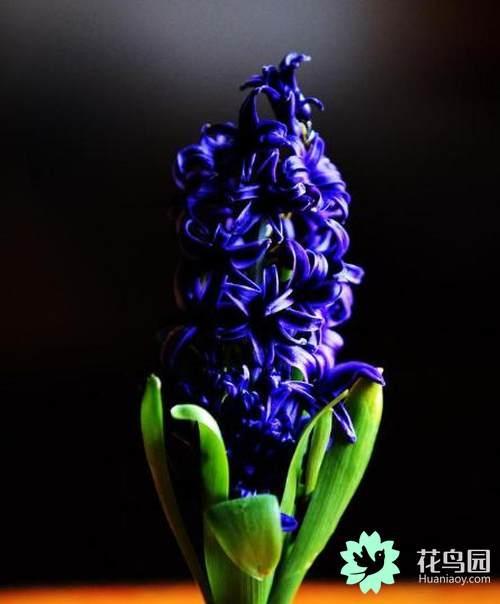
Hyacinth is a perennial herbaceous plant with a bulb, belonging to the genus Hyacinthus in the family Hyacinthaceae. It was originally classified under Liliaceae, but has now been elevated to the type genus of the new family Hyacinthaceae, and the hyacinth has also been reclassified from the former order Liliales to the newly established order Asparagales. The hyacinth is native to the Mediterranean and South Africa. Its scientific name comes from Hyacinthus, a beautiful youth in Greek mythology who was favored by the sun god Apollo and accidentally killed by a discus thrown by him. Hyacinth flowers come in a rich variety of colors and are captivating. Especially during the Spring Festival, red, blue, white, purple, yellow, and pink hyacinths fill the air with wave after wave of fragrance, brimming with a festive and joyful atmosphere.
Hyacinth aliases: hyacinth, ocean narcissus, western narcissus, five-color narcissus, fashionable brocade
Hyacinth Growing Habits
Hyacinth prefers sunlight and is cold-tolerant. It is suited to growing in cool, moist environments and in loose, fertile sandy soil, and dislikes waterlogging. It prefers warm, moist winters and cool, slightly dry summers, in environments with ample sunlight or partial shade. It likes fertilizer and is suited to fertile, well-drained sandy loam. It can be grown in the ground, in pots, or in water.
It takes root in autumn, new shoots emerge from the soil in early spring, blooms in March, the fruit ripens in late May, and the aboveground parts wither in early June and enter dormancy. Flower bud differentiation occurs during the dormant period, with an optimum differentiation temperature of around 25°C, and the differentiation process takes about 1 month. After flower bud differentiation and before elongation growth, there needs to be a low-temperature stage of about two months, and the temperature must not exceed 13°C.
During the growth process of the hyacinth, the root system of the bulb grows best at low temperatures of 2-6°C. The optimum temperature for bud sprouting is 5-10°C, the optimum temperature for leaf growth is 5-12°C, and the period from bud appearance to flowering is most favorable at 15-18°C. The storage temperature for the bulb is 20-28°C, with 25°C being the most suitable and the most ideal for flower bud differentiation. It can tolerate short periods of frost.
Hyacinth Cultivation Methods
Hyacinth propagation methods can be divided into bulb division propagation and seed propagation.
Bulb Division Method
After digging up the bulbs in June, separate the large bulbs from the small offset bulbs. "Large bulbs planted in autumn can bloom in early spring of the following year, while offset bulbs need 3 years of cultivation before they can bloom. Because the natural bulb division rate of hyacinths is low, generally a mother plant can only produce 1-2 offset bulbs after one year of planting. To increase the propagation coefficient, during the summer dormant period a scoring operation can be performed on large bulbs to stimulate them to produce offset bulbs.
Seed Sowing Method
This is mostly used when breeding new varieties. In autumn, sow the seeds into the cultivation soil in a cold frame, cover with 1 cm of soil, and they germinate at the end of January to early February of the following year. The small bulbs cultivated from seedlings bloom after 4-5 years. Under ordinary storage conditions, the seeds can retain their germination capacity for 3 years.
Buying Hyacinths
The nutrients needed for hyacinth flowering are mainly supplied by the nutrients stored in the bulb scales. As long as you choose a bulb with an undamaged outer skin, fleshy scales that are not excessively shriveled, and that is relatively hard, heavy, and plump, it will produce abundant and beautiful flowers. When selecting bulbs, pay attention to choosing ones with bright skin color, a firm texture, and no disease spots or insect holes as the best. Usually, the color of the flowers it will produce can basically be judged from the color of the bulb skin. For example, if the outer skin is purplish-red, it will produce purplish-red flowers; if it is white, it will produce white flowers. However, some varieties developed through hybridization have more complex colors, and sometimes they cannot be clearly distinguished, so you need to ask the seller clearly before buying. After purchasing the bulbs, soak them in carbendazim solution and let them dry. To break their dormancy, first place them in the lowest compartment of the refrigerator for cold storage for about one month, so that they can bloom smoothly later. But when taking them out of the refrigerator, it is best to move them to a cool place for seven or eight days before planting.
Soil
For hyacinths, well-drained, not-too-dry sandy loam should be chosen. The soil is required to be fertile, with high organic matter content, good aggregate structure, and neutral to slightly alkaline, at a pH level of 6-7. The cultivation soil can be prepared in a ratio of 5 parts leaf mold : 3 parts garden soil : 1.5 parts coarse sand : 0.5 part bone meal. Before planting, chemical agents such as formalin can be used. At a soil temperature of 10-15°C, apply the agent to the soil surface and immediately cover with plastic film. After 3 days of warm weather, remove the film, let it air for 1 day, and then plant, keeping the soil moist. Before planting, apply sufficient base fertilizer. For field cultivation, avoid continuous cropping.
It is suitable to carry out in October-November, and choosing well-drained soil is the most important condition. Before planting, apply sufficient base fertilizer, add a thin layer of sand on top, then arrange the bulbs with a plant spacing of 15 cm-18 cm, and cover with 5 cm-8 cm of soil. Also cover with grass to keep the soil loose and moist. Generally, no other management is done before flowering. After flowering, if you do not plan to collect seeds, the flower stems should be cut off to promote bulb development, and the cutting position should be as high on the flower stem as possible. In early June, the bulbs can be dug out, spread out, graded, and stored in a cold storage room. The summer temperature should not exceed 28°C.
Pot Cultivation
Use a mixture of loam, leaf mold, fine sand, etc. as the nutrient soil. Generally, a 10 cm diameter pot holds one bulb, and a 15 cm diameter pot holds 2-3 bulbs. Then bury the pots in the soil, cover with 10 cm-15 cm of soil, and after 7-8 weeks, when the shoots have grown to more than 10 cm, remove the covering soil to let sunlight reach them. Generally planted in October-November, and blooms in March.
Water Cultivation
For water cultivation of hyacinths, the water level must leave a 1-2 cm space from the basal plate of the bulb, so that the root system can breathe. It is strictly forbidden to fill the water so high that it covers the bottom of the bulb. In December, place the bulbs in a wide-mouthed glass bottle with a grid, and add a little charcoal to help prevent rot and disinfect. The bulb only needs to be soaked up to its base. Then place it in a dark place and cover the bottle with black cloth. After about 20-plus days of germination in a completely dark environment, place it outdoors to receive sunlight. At first, expose it to sunlight for 1-2 hours per day, then gradually increase to 7-8 hours. In most cases, under good weather conditions, it will bloom by the Spring Festival.
Timing
After late July, treat the bulbs at a low temperature of 8°C for 70-75 days, then pot them in early October and cultivate them in a greenhouse, which can make them bloom at the end of the year. Because the forcing sensitivity of cultivated varieties varies greatly, varieties suitable for forcing should be selected when carrying out forcing cultivation.
Light
Hyacinths only need more than 5000 Lx to maintain normal physiological activity. If the light is too weak, it will lead to conditions such as weak plants, overly long stems, small flower buds, early flower fading, and yellowing leaves. An incandescent lamp can be used at about 1 m away for supplemental lighting. But too strong light can also cause scorching of leaves and petals or shorten the flowering period.
Humidity
Soil humidity should be kept between 60-70%. If it is too high, root respiration is inhibited and rot easily occurs; if it is too low, the aboveground parts wilt and may even die. Air humidity should be kept at around 80%, and humidity can be increased by misting and sprinkling water on the ground, or reduced by measures such as ventilation.
Temperature
If the temperature is too high, even above 35°C, flower bud differentiation will be inhibited, deformed growth will occur, and the rate of blind flowers will increase. If the temperature is too low, the flower buds will suffer frost damage. In the early 20th century, flower growers began to produce hyacinths in greenhouses and subject them to certain temperature treatments. Like tulips and other bulb plants, their bulbs need to be maintained at low temperatures for a period of time, otherwise they will not produce high-quality flowers and stems of sufficient length.
The growth process of the hyacinth includes a leaf formation stage, a flower formation stage, and an elongation stage. By advancing the flower formation stage while providing the most effective low-temperature period, the bulbs are forced to bloom. This is why hyacinths planted in the Mediterranean region can often bloom very early. By maintaining a relatively high temperature during the bulb planting stage, the leaf formation stage can be accelerated, and thus the flower formation stage is also advanced.
Compared with other bulb plants, hyacinths are made to form flowers earlier through special temperature treatments applied to them. One way to achieve this is to increase the soil temperature during bulb growth. Because this method has relatively high costs, it is seldom used. More commonly, the bulbs are dug up early and at the same time subjected to temperature treatment in air-conditioned rooms, thereby achieving the goal of promoting flower formation. The digging period and the treatment temperature are the factors that distinguish potted and cut-flower hyacinths.
Hyacinth Pest and Disease Management
Common diseases of hyacinths include sprout rot, soft rot, sclerotinia disease, and viral disease. Before planting, the substrate should be strictly sterilized, and the bulbs should be cleaned and disinfected. During the growth period, spray once every 7 days with 1000 times diluted tuijunte or chlorothalonil, used alternately, which can inhibit the spread of pathogens to a certain extent. Strictly control the amount of watering, strengthen ventilation management, control the relative air humidity in the environment, and promptly remove central diseased plants, which can greatly reduce the disease incidence.
To prevent the occurrence of diseases during outdoor soil cold treatment, a advisable method is to use fresh soil every year. In this way, there is no need to carry out routine soil treatment.
If the soil has been used before, it can be reused for potting or covering bulbs. Before use, routine soil disinfection is recommended to avoid the occurrence of Rhizoctonia. This routine soil treatment method is consistent with the soil treatment before tulip planting. In addition, you may refer to relevant methods for routine soil treatment; we suggest that you consult your local relevant authorities.
If hyacinth bulbs are provided with a temperature of 9°C immediately after planting, and during the cold treatment period the flower buds are fully exposed without being covered with soil, there is no need to use fungicides to treat the bulbs.
Parasitic Top Rot
When part of the plant located above the inflorescence has rotted flowers, it is called "top rot," and it is often accompanied by brown spots appearing at the leaf tips. This kind of rot is mostly caused by parasites that exist randomly under normal conditions, including plants that begin to be infected only after the florets have dried out (physiological bud rot) or plants already infected in advance by parasitic bacteria (parasitic bacterial bud rot), after which the parasites can cause the initial infection.
Rhizoctonia
This fungus begins infecting plants from contaminated soil (even contaminated before planting). The recognizable sign is irregularly shaped, bright brown, jagged scars on some florets. The occurrence on the outer leaves is slightly milder. More severe infection appears as larger spots, browning of leaf tips, and in greenhouse cultivation, fungal growth traces resembling spider webs can be seen. This infection often appears in patches, and worsens when the soil temperature rises.
Prevention methods: Frequently use fresh soil as potting soil. Contaminated soil should be treated by routine methods before use. Natural cold treatment and the rooting room should maintain the specified temperature.
Penicillium
This belongs to storage-period rot, and the initial symptoms can be seen immediately before planting. The infected part at the root tip dries up. When cutting open the base of the root, the surrounding tissue can be seen to appear light brown. Tissue of the same color can also be seen where small bulblets have fallen off. During storage and subsequent planting, the bulbs continue to rot. Infected bulbs have relatively short sprouts, and the bulbs themselves have few or no roots. The plants easily lodge.
This fungal infection also occurs on wounded parts of the bulbs. The infected parts have white to blue-green fungal growth, and the tissue beneath becomes brown and soft, but this infection does not extend to the basal plate, and it also has no adverse effect on flowering quality.
This infection is caused by different Penicillium species such as P. verrucosum. "Pink Pearl" and its variants are easily infected through the root tips. This infection mainly occurs in low-temperature storage rooms (below 17°C), and at the same time when humidity is above 70%. Another cause is injury to the bulbs.
Control methods: Prevent premature sprouting or root formation. Plant immediately after arrival (especially "Pink Pearl" and its variants). In the storage room, maintain the specified constant temperature and keep the air circulating. Keep humidity below 70% throughout the entire storage period.
Erwinia
Soft rot: in the greenhouse, severely infected bulbs no longer sprout. The bulbs become soft, and the bulb tissue becomes transparent and is accompanied by white or yellow spots. These infected bulbs also give off an unpleasant odor. The symptoms of less severe infection are: some wet, dark green elongated areas form from the leaf base, which first cause growth inhibition, and then the plant wilts until it dies.
This disease is caused by Erwinia bacteria. These bacteria are mostly parasitic and mainly infect tissues that have been frozen or have excessive moisture. When the temperature is too high or the soil is too wet, another form of infection occurs through wounds at the sites where early roots or small bulblets have fallen off. This problem is mainly caused by soil temperature being too high or too wet during natural cold treatment in autumn. "Delft Blue" and "Carnegie" are extremely susceptible cultivated varieties. This disease is not contagious in the greenhouse, and although infected tissue usually appears butter-yellow, the infection will not occur again in other parts.
Control methods: Bulbs are usually planted under the recommended conditions, that is, natural treatment or maintaining low temperature (9°C) in the rooting room, while not being too moist. During planting and throughout the entire greenhouse period, remove infected bulbs and plants. This can prevent Erwinia from spreading to neighboring bulbs through irrigation water.
Gray Mold
At the early stage of the disease, the tips of infected leaves discolor, and the leaves shrivel and rot. Under cold and humid conditions, the flowers also rot. At the later stage of the disease, gray mold layers and black sclerotia are produced on the diseased parts. The pathogen overwinters as sclerotia in diseased residues and soil, and when conditions are suitable, it produces conidia, which spread with wind and rain to cause infection and damage. Low temperature and high humidity favor the occurrence of the disease.
Control Methods
Reduce sources of infection: promptly remove diseased flowers and leaves and destroy them in a centralized manner.
Chemical control: at the early stage of the disease, spray with 1:1:100 Bordeaux mixture, or 65% zineb wettable powder at 500-800 times dilution, or 50% benomyl wettable powder at 1000 times dilution, or Banxiuqing at 800-1000 times dilution for spray control.
Root Nodule Disease
Hyacinth root swelling disease is also called root nodule disease. The root system is normal when it first forms, but after extending to a certain degree, small white nodules are produced, growth weakens, and sometimes floret dry rot occurs, affecting growth and development, and in severe cases the entire plant dies.
Control methods:
During storage, strictly disinfect and sterilize, pay attention to strengthening ventilation, check frequently, turn frequently, and promptly pick out diseased plants and burn them in a centralized manner.
Strictly carry out soil disinfection and sterilization, do not practice continuous cropping, and do not reuse cultivation soil.
During cultivation, promptly remove diseased plants when found, and carry out insect and sterilization treatment on the soil.
Strict quarantine, do not allow diseased bulbs or diseased plants to enter the nursery.
Hyacinth Cultivation Tips and Precautions
What to Do About Physiological Bud Rot in Hyacinths
The last floret dehydrates; this is caused by too short a cold treatment period. Sensitivity to this bud rot must be judged according to different varieties and bulb sizes.
Control methods:Ensure that the rooting room for planted bulbs and the natural treatment temperature are maintained at a constant 9°C. If the treatment is not at 9°C, compensatory measures should be used. Do not move the bulbs indoors too early, and provide the cold treatment required by each variety. During the greenhouse period, maintain a constant 23-25°C, and during planting do not let the temperature drop by more than 1-2°C, so as to avoid Penicillium infection caused by relatively high humidity in the greenhouse climate. Never pour water onto the inflorescence, especially at the final stage. Before transport, if storage cannot be provided, do not let the soil in the pots become too wet, and at the same time ensure sufficient air circulation between plants.
What to Do If the Tips of Hyacinths Turn Green
The florets at the top of some inflorescences remain green, and in severe cases this spreads over the entire top of the flower. Cause: a disorder caused by improper low-temperature treatment; too short a treatment time or incorrect temperature can both produce this result. Some varieties, such as "Pink Pearl" and its variants and "Jan Bos," are more sensitive to this disorder than other varieties.
Control methods:After cultivation, operate according to the specified cold treatment period and low-temperature standards.
What to Do If the Hyacinth Inflorescence Is Crooked
After the bulbs are moved into the greenhouse, the uppermost end of the hyacinth flower stem grows crooked. In large hyacinth inflorescences, part of the flower stem and the florets attached to it grow relatively faster than other parts, such as in varieties like "Delft Blue" and its variants, "Carnegie," and "L'Innocence." This trait is not what we desire, and this disorder is more commonly seen in earlier plantings and in hyacinths with large inflorescences.
Control methods:After planting, use the specified cold treatment and low-temperature standards. Maintaining a slightly lower greenhouse temperature (18-17°C) can also prevent the occurrence of inflorescence crookedness.
What to Do If Hyacinths Bloom at the Top
Unlike normal growth, the florets located at the top bloom earlier than those at the lower parts. The inflorescences of such flowers are usually short and sturdy. This disorder is caused by not carrying out the cold treatment required by the variety before moving the plants indoors. The sensitivity of each variety to this disorder varies.
Control methods:After planting, operate according to the specified cold treatment and low-temperature standards.
Hyacinth Plant Culture
Hyacinth flower meanings: victory, competition, joy, affection, happiness, deep passion, admiration, stubbornness, life, pride, eternal remembrance.
The flower meaning of new horticultural hyacinth varieties: attention.
Blue hyacinth flower meaning: life.
Purple hyacinth flower meaning: sorrow, jealousy, melancholy love (if you receive my love, you will surely be happy), apology (sorry, please forgive me), regret.
Light purple hyacinth flower meaning: gentle temperament, romantic feelings. Sorrow.
White hyacinth flower meaning: tranquility, quiet love (love that one dares not reveal), secret love.
Red hyacinth flower meaning: thank you, love that moves me (your love fills my heart).
Peach-red hyacinth flower meaning: passion.
Blue hyacinth flower meaning: perseverance, chastity, as happy as seeing you, noble and rich.
Dark blue hyacinth flower meaning: a touch of melancholy because of love.
Yellow hyacinth flower meaning: happiness, fulfillment, very happy to be with you.
Pink hyacinth flower meaning: admiration, romance.
Light green hyacinth flower meaning: if you want to have no secrets, you must first possess a kind heart.
Hyacinth Symbolism
1. As long as the fire of life is lit, one can share a rich life together.
2. Reborn love. Forget the sorrows of the past and begin a brand-new love.