Crush this kitchen seasoning when growing flowers, and it works even better than fertilizer
Growing flowers is all about being good at discovering and using every little thing around you. Those inconspicuous discarded items and small kitchen items can all be used for growing flowers. Today, Bai Xiaomei'er will show you how to use some seasonings from the kitchen to grow flowers. When used well, they work even better than flower fertilizer!
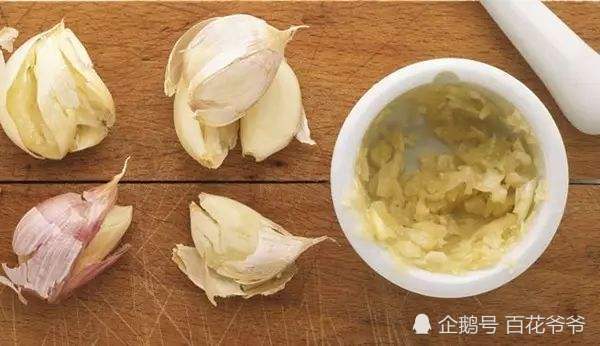
Garlic prevents root rot and treats pest damage!
How to use:
1. When your flowers develop root rot and you do not have carbendazim or potassium permanganate on hand, we can use fresh garlic instead. After cleaning up the rotted roots of the plant, cut the garlic open and apply the cut side of the garlic directly to the rotted root area, going back and forth several times so the garlic mucus evenly covers the rotted root area. Put it in a ventilated place and wait for the juice to dry, then it can be repotted and planted again. You do not need to worry about root rot or decay happening again.
2. When aphids, red spiders, scale insects and other pests appear on the leaves of flowers, we can still use garlic to eliminate them. Just crush the garlic into a paste, add 1 spoon of soapy water and stir evenly, then add 100 ml of clean water and soak the garlic paste for 24 hours. The solution can then be applied directly to the pest-infested area. If the area is relatively large, you can also dilute the garlic paste solution with clean water at a ratio of 1:10 and use it directly to spray the pest-infested leaves. Remember to spray both the front and back sides. Generally, after using it continuously three times or more, you will find that the insects are all dead.
Vinegar can prevent yellow leaves on potted plants!
How to use:
Acid-loving plants such as gardenias and jasmine are most prone to yellow leaves. In many cases, it is chlorosis caused by unsuitable soil pH. At this time, we can use
vinegar instead of medicine to deal with it. You only need to add a few drops of vinegar to the water each time you water the plant, then water it into the flower pot. This can make the soil acidic and fundamentally prevent the plant from getting chlorosis and developing yellow leaves.
Baking soda has a miraculous effect on powdery mildew!
How to use:
Flower lovers who have roses at home will find that roses are most prone to powdery mildew, and it is especially contagious. It is recommended to use baking soda on them once a week, which can effectively prevent powdery mildew. Dilute baking soda and clean water at a ratio of 1:1000 and use it to spray both the front and back sides of the plant leaves. After spraying continuously three times or more, you will see results. Plants that are not diseased can also be sprayed as a preventive measure.
Have you ever used these kitchen seasonings when growing flowers? Make use of them and you will find that growing flowers becomes easier. Even without fertilizer or pesticides, our flowers can still grow better. Flower lovers, what other little methods have you used to grow flowers? You are welcome to leave a comment and share with more flower lovers!