Grow roses the right way and the flowering season lasts longer than you'd think
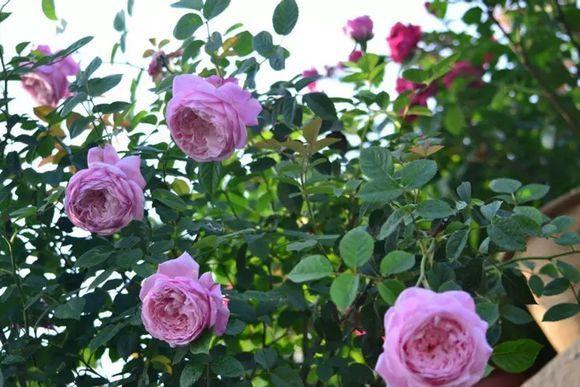
The rose flowering season is very long, but just how long is it? Many flower growers don't understand. Some say, isn't it called "monthly red"? So why does my rose bloom only once or twice and then stop, growing only leaves without flowers? What exactly is going on?
What is the reason roses don't bloom? Roses are highly adaptable and not strict about soil, though it's best to use soil rich in humus and slightly acidic, and to keep them in a spot with plenty of sunlight. However, in summer they must not be exposed to direct strong sunlight, otherwise it easily causes poor development. A temperature of generally 22-25 degrees is more suitable, and in summer's high heat you should cool them down appropriately.
If you've done all of the above - plenty of light, fertile soil, and watering to cool them in summer - but your roses still don't bloom and only produce a large number of buds, then they are very likely blind buds. Some flower growers ask, what is a blind bud? A blind bud is a bud that doesn't bloom. Roses bloom from the tips of the branches; if the tip branch doesn't bloom and also stops growing, that's a blind bud, so as soon as one appears it should be pinched off appropriately.
Rose blind bud pruning method: usually count down from the top and cut off the first or second plump bud, and that's enough. This will promote new buds to sprout and split into more new buds, and these are the main force for future blooming.
Rose care methods and tips. Sunlight: Roses are light-loving plants, so you must give them enough sunlight. Normally keep them on a balcony or terrace where sunlight reaches for more than 6 hours. However, in summer you should water more in the morning and evening to cool them down; otherwise, under the blazing sun, the roses may very likely be scorched and withered.
Watering: If you don't know how to judge whether the rose's potting soil is short of water, you can touch the surface of the potting soil with your hand. If it's fairly dry and even a bit whitish, that proves the rose is already short of water. If the surface is still fairly moist, then there's no need to even consider watering the rose; overwatering will instead cause poor growth.
Fertilizing: When fertilizing roses, it's best to use an eco-safe organic nutrient solution. For office workers this is a fairly simple matter, because on weekends you just add a few drops of organic nutrient solution to the water you use, and that's enough - simple and convenient, fairly eco-friendly, and it won't attract pests or waste much time. Both the elderly and children can do this.