Grow potted lemons this way for lush branches, abundant flowers, and big, beautiful fruit
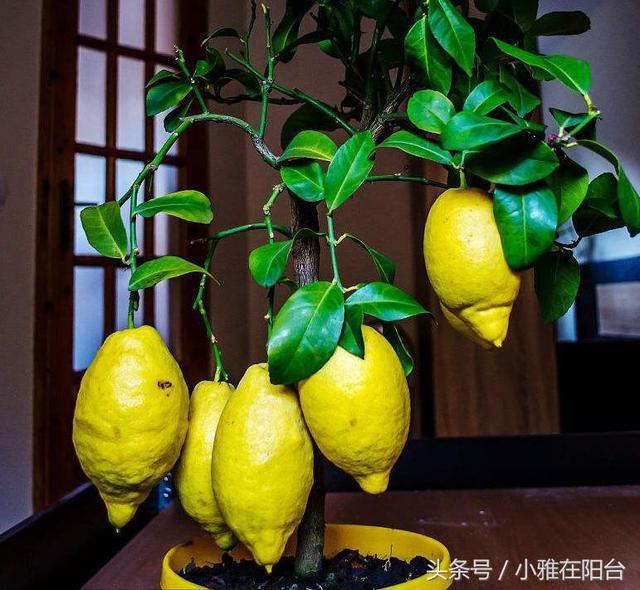
Lemon is a fruit many people love. The fruit is rich in vitamin C and has a fragrant taste. It can be made into delicious drinks, and it can also help resolve phlegm and relieve coughs, and so on. Why do potted lemons grown at home fail to bear fruit or bear only a little fruit, and how can you grow lemons loaded with fruit?
Methods and tips for growing potted lemons at home
If you want lemons to bloom and bear plenty of fruit, first of all the flower pot must not be too small, at least twenty-some cm in diameter.
If you want lemons to grow luxuriantly, water, fertilizer and sunlight are all essential, and there is another key point, which is pruning. If you do not prune, or the pruning method is wrong, lemons will bloom little and bear little fruit. With the right method, they will bloom and bear fruit abundantly every year, with high yields.
When the lemon is still a small sapling, at about thirty cm, keep three sturdy main branches. Each time a main branch grows to twenty-some cm, pinch off the top part, so that the dormant buds begin to sprout and grow.
Cut off some of the excessive vegetative branches that grow in summer and autumn. Leave only about nine leaves on each branch. This can encourage more branches to grow, so the tree crown forms earlier and it blooms and bears fruit.
The pruning method is that the left and right branches are not crowded, and the upper and lower branches do not overlap, so that it can grow with lush branches and leaves, with air circulation and light penetration, increasing the range for bearing fruit. At the same time, cut off some dry branches, diseased branches, and crossing branches.
Apply fertilizer promptly after pruning, so that it is even more beneficial to its growth. Whether it is organic fertilizer or other fertilizers, either is fine. Use cake fertilizer, mix in clean water, place it in a bucket to fully ferment, then dilute it with water and pour it into the flower pot. Other options such as chicken manure fertilizer can also be used.
During normal fertilization, you can add a little alum fertilizer water. Choose to fertilize on a sunny day, together with watering.
During the growing period, fertilize once every half month, and after autumn apply some phosphorus and potassium fertilizer. This way it can grow more flower buds, bloom more, bear more fruit, and the fruit will be big and beautiful!