3 diseases that Gardenia jasminoides frequently suffers from - one slip and only the pot is left, prevent and treat them in advance
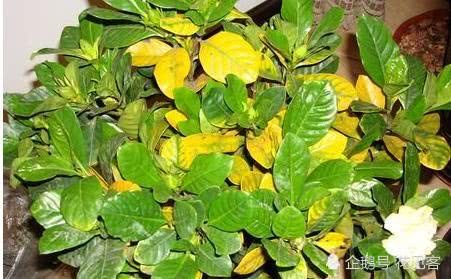
Gardenia jasminoides is a flower loved by many gardening enthusiasts, evergreen all year round; when it blooms, the flowers are pure white, fragrant and elegantly plain, forming an alternation of green and white with the green leaves, exceptionally clear and lovely.
Although Gardenia jasminoides is beautiful, it also often falls ill, especially these 3 diseases that occur frequently; attention must be paid during routine care, otherwise, never mind blooming, one slip and only the pot is left. Gardening enthusiasts in need can save this in advance!
1. Chlorosis
There are many factors that cause chlorosis; the more common ones are these 3 factors: magnesium deficiency, iron deficiency and nitrogen deficiency. Different causing factors produce different forms of manifestation, and the prevention and treatment also differ.
The yellow leaves shown by magnesium deficiency start from the old leaves first and slowly spread to the new leaves, but the leaf veins remain green; in more severe cases it continuously causes leaf drop. When this situation appears, you can spray 0.7%-0.8% boron-magnesium fertilizer on the branches and leaves to supplement magnesium. The yellow leaves shown by iron deficiency start from the new leaves first and will turn completely yellow; in severe cases it scorches the leaves and dries the branches, and may even cause the whole plant to die. When this situation appears, you can spray 0.2%-0.5% ferrous sulfate on the branches and leaves to supplement iron. The yellow leaves shown by nitrogen deficiency are simply yellow leaves, and the new leaves shrink and cannot grow large; this situation often appears during the flowering period, when some gardening enthusiasts stop applying nitrogen fertilizer in order to get a flower to bloom and prevent excessive vegetative growth.
2. Sooty mold
Sooty mold mainly follows pest damage. After some pests chew the branches and leaves, the honeydew and some excrement they secrete remain on the branches and leaves. Its symptoms are small black mold spots forming on the leaf surface and branch tips, which then expand and join together, covering the entire leaf surface and tender shoots with a black mold layer, causing the plant to die.
When you see pests appearing on Gardenia jasminoides, you must pay attention. After killing the pests, check the branches and leaves, wash them promptly with clean water, and then spray with diluted carbendazim. In the early stage of the disease, you can spray 0.3 degrees Baumé lime sulfur mixture to treat it.
3. Rot
Rot is mostly caused by improper watering, failure to deal with old branches and diseased branches in time, and so on. It often occurs on the lower main trunk, with symptoms showing as swelling and cracking of the stem. When this situation is found, immediately apply 5-20 degrees lime sulfur mixture, then move it to a cool, bright and ventilated place, promptly prune off the old branches and diseased branches, and disinfect them.
The care of Gardenia jasminoides is introduced here. If gardening enthusiasts have other additions, you can share them with everyone in the comment section below. If you want to learn more about flower growing knowledge, you can follow Huajianke!