Add this to the bottom of the pots of pothos, asparagus fern and money tree, and they will grow like crazy with loose, airy soil
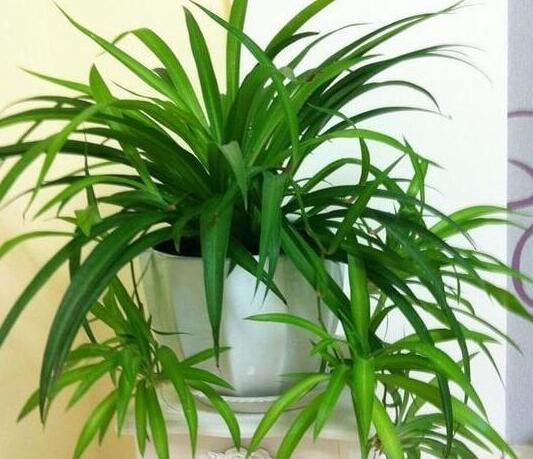
Pothos, asparagus fern and money tree are all fairly common foliage houseplants, and many plant lovers keep 1-2 pots of them at home. Pothos and spider plant in particular are familiar houseplants for plant lovers, and they are fairly easy to care for, but some plant lovers have left comments saying they cannot even keep pothos alive. Actually, growing plants well is not hard at all; as long as you are willing to put in a little thought, you will get very good results in return. For example, if you add a little of this to the bottom of the pot, your potting soil will become loose and airy, and pothos, asparagus fern, money tree... will grow like crazy with no stopping them!
Put a little pine needle litter in the bottom of the pot, and all your flowers and plants will love it
I believe plant lovers all know that pine needles are good for growing plants and that flowers and plants love them, and that is absolutely true, but before use the pine needles need to be sun-dried to disinfect them. We can cut the collected pine needles into short sections; plant lovers can judge the length for themselves according to the size of the pot, then put them in the sun to bake for 3-4 days, and then they can be used directly as a drainage layer. At this point we can first put some crushed stones in the bottom of the pot, then put the pine needles on top, then add soil, and we can grow plants directly. As you water, the pine needles will slowly ferment and break down into nutrients the plants need. Note that they must be kept away from the roots, so that the roots are not burned during the fermentation of the pine needles.
They can also be spread directly on the surface, which both keeps warmth in and prevents the potting soil from compacting. Using pine needles as a pot liner and top dressing works for pothos, asparagus fern, money tree, spider plant, clivia, kalanchoe and Christmas cactus, and the effect is especially great!
Put a little willow branch in the bottom of the pot, and your plants will never get root rot again
Willow is a plant with a very strong ability to grow on its own. Scientific research has shown that it contains large amounts of salicylic acid and aspirin, which can promote rooting and sprouting in potted plants, and it also has preservative properties, so using willow branches as a pot liner not only provides nutrients to flowers and plants but also prevents root rot in potted plants.
For the willow branches we collect, we need to remove the leaves, cut the willow branches into short sections according to the size of the pot, tie them together with string, and place them at the bottom of the pot, then add potting soil as normal and grow the plants. This works for pothos, asparagus fern, money tree, spider plant, clivia, kalanchoe and Christmas cactus, and the effect is especially great!
Pine bark in the bottom of the pot, and flowers and plants will all grow like crazy
Not only pine needles are good for growing plants; pine bark used as a pot liner is also especially effective. When choosing bark, use the kind of pine bark that looks a little grayish and crumbles when you pinch it with your hand. First dry the pine bark well in the sun, or disinfect it with potassium permanganate solution. Put the pine bark in the bottom of the pot, and after it slowly rots it can also provide the plant with plenty of nutrients.
Using pine bark as a pot liner works for growing pothos, asparagus fern, money tree, spider plant, clivia, kalanchoe, Christmas cactus, snake plant and orchids, and the effect is especially great.
Nut shells in the bottom of the pot, and clivia and orchids will sprout lots of small offsets
Walnut shells, peanut shells and sunflower seed shells (note: they must be dry-roasted) should not be thrown away; use them as a pot liner, and clivia and orchids will sprout lots of small offsets. Put the collected shells in the bottom of the pot, then use garden soil as normal on top, and plant the flowers.
Nut shells are fairly hard, so they do not rot easily when buried in the pot. Bury them once and there will be no root rot for three years, and the longer the time, the more obvious their fertilizing effect, making them especially suitable for clivia, orchids, money tree, pothos and so on.
That is all for today's sharing