Detailed Explanation of Key Points and Management Methods for Gecko Breeding Technology
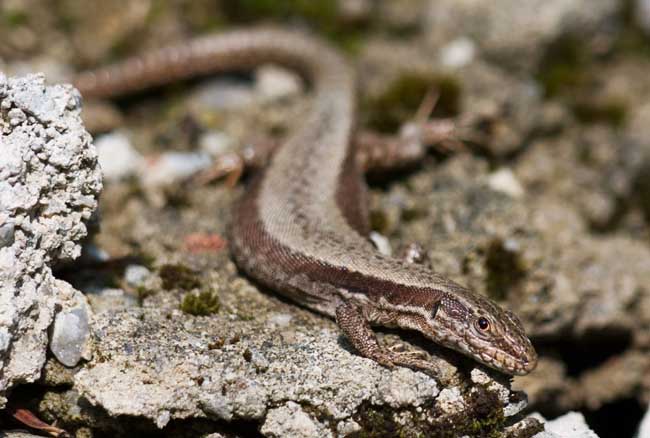
The gecko is also known as the house gecko, Tianlong, or Scorpion-neighbor tiger. Gecko species are distributed throughout the country. The gecko tastes salty, is cold in nature, and has slight toxicity. Its functions are to dispel wind and calm convulsions, and to detoxify and dissolve masses. It mainly treats stroke with hemiplegia, arthralgia from wind, wind-phlegm epilepsy, scrofula and malignant sores, and other conditions. In folk medicine it is commonly used to treat esophageal cancer, stomach cancer, uterine tumors, and so on. The gecko mainly contains protein, fat, and histamine-like substances, and also contains toxic substances similar to wasp venom. Pharmacological studies have shown that the gecko has anti-tumor effects, and in vitro experiments found that gecko aqueous solution can inhibit the respiration of human liver cancer cells.
Gecko Breeding Market Prospects
In recent years, as wild gecko resources have gradually been depleted, large-scale artificial development has not yet started nationwide, while the development of deep-processed gecko products has continued to deepen. On one hand, the amount of geckos used has been continuously increasing. In recent years, components have been extracted from fresh geckos to make anti-tumor oral liquids, and the research and development of traditional Chinese medicine formulas and Chinese patent medicines has caused the market demand for geckos to multiply, rising from an annual market use of about 10 tons in 1980 to about 20 tons at present. On the other hand, wild geckos are being depleted at an accelerating rate, making the gecko market even tighter. The market price of geckos has risen from more than 40 yuan per kilogram to more than 200 yuan per kilogram, and in some medicinal material markets there is demand but no supply. The sharp rise in gecko prices has further stimulated the capture of wild geckos, forming a vicious cycle. Experts point out that developing gecko breeding has become an urgent task, and developing gecko breeding at the right time will yield generous returns.
Gecko Breeding Environment
Gecko breeding does not require too much ultraviolet light. Geckos generally also do not need to be kept with fluorescent lamps, because most geckos are nocturnal animals. However, some people use fluorescent lamps to provide a natural day-night environment. Just imagine that although they will not be active during the day, it can also let them know that daytime is the rest period. Be sure to provide caves for geckos to hide in, otherwise it will cause great stress to the geckos.
The main food of geckos is insects (such as crickets, mealworms, etc.). Adult geckos can be given small mice to supplement protein.
The gecko terrarium does not need to be too tall, because geckos do not particularly like to climb upward, but it is still best to use a ventilated top cover.
Geckos generally absorb the water they need from food. Placing a small water bowl in the terrarium is enough; geckos will drink water on their own. You can also lightly spray water on the walls of the terrarium. Lightly spray water once a day inside the gecko terrarium to maintain humidity, which can prevent difficulty in shedding caused by insufficient humidity. Placing moss in the cave can also increase humidity. Geckos grow faster under tiles.
Gecko Farm Construction
The gecko house should be built in a dry, ventilated, cool, and quiet place. The size depends on the scale of breeding. Generally, it is 4 m long, 2.5 m wide, and 2.2 m high, and each room can raise 400 geckos. A gecko activity area should be built on top of the breeding house, 1.2 m high, with the surroundings and top enclosed with wire mesh.
The breeding house and the activity area are connected to facilitate the geckos' entry and exit. A 20-watt black light lamp is installed at the top of the activity area, and the lamp is turned on to attract insects. A funnel for catching insects is installed below, and the insects fall through the funnel into the activity area for the geckos to eat. Clean water is placed in the room for the geckos to drink. A small water pool is set up for the geckos to bathe. A layer of straw paper is pasted on the four walls of the room, and several pieces of burlap are hung, to facilitate egg laying and hiding.