What Are the Climate Types? A Comprehensive Analysis of the Characteristics of Each
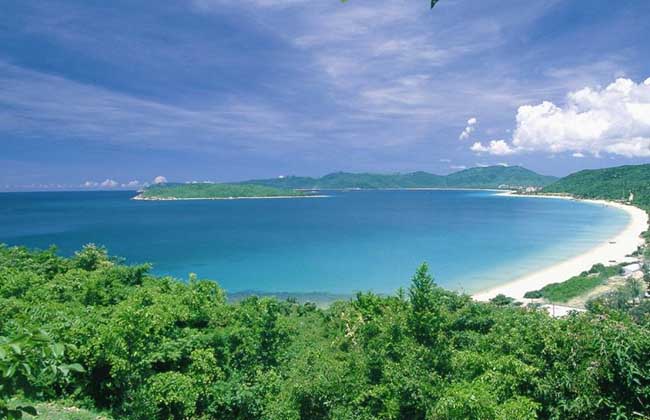
Climate types are not restricted to specific latitudinal zones. Globally, they can be broadly divided into 11 types: polar climate, temperate continental climate, temperate oceanic climate, temperate monsoon climate, subtropical monsoon climate, tropical desert climate, tropical savanna climate, tropical rainforest climate, tropical monsoon climate, Mediterranean climate, and highland and plateau climate.
Tropical Rainforest Climate
[Main Characteristics] High temperatures and abundant rainfall throughout the year, with no dry season. Annual precipitation exceeds 2000 mm, and even the driest month receives more than 60 mm of rain, with frequent thunderstorms. The average monthly temperature ranges from 25 to 28°C, with a long summer year-round and no seasonal variation. The annual temperature range is generally less than 3°C, while the average diurnal temperature range can reach 6 to 12°C.
[Distribution] On both sides of the equator on every continent, extending about 5 to 10° north and south, such as the Amazon Plain in South America, the Congo Basin and the coast of the Gulf of Guinea in Africa, and some archipelagos in eastern Asia.
[Formation Cause] Controlled year-round by the equatorial low pressure, with prevailing ascending air currents.
[Vegetation Type] Plants can grow year-round, with a great variety of tree species and dense, layered vegetation.
[Representative Animals] Elephants, orangutans, hippopotamuses, etc.
Tropical Savanna Climate
[Main Characteristics] Distinct dry and wet seasons within a year. The wet season is humid and rainy, with dense tall grasses and shrubs growing everywhere, mixed with scattered trees. In the dry season, the soil cracks, the grasses turn yellow and withered, and the trees shed their leaves.
[Distribution] On both sides of the equatorial rainy climate zone, roughly around 10 to 15° north and south latitude (some extend to 25°), in Central America, South America, and Africa.
[Formation Cause] Alternately controlled by the low pressure (wet season) and the trade wind belt (dry season).
[Vegetation Type] Tropical open woodland savanna.
[Representative Animals] Zebras, giraffes, antelopes, etc.
Tropical Desert Climate
[Main Characteristics] Hot and dry throughout the year, known as the world's “pole of heat.” Precipitation is extremely scarce, with annual rainfall of less than 200 mm and highly variable, sometimes with no rain for many years. Combined with intense sunshine and strong evaporation, this further intensifies the aridity of the climate.
[Distribution] Distributed outside the tropical wet-and-dry climate zone, roughly between 15 and 30° north and south latitude, with the widest distribution in northern Africa, southwestern Asia, and central and western Australia.
[Formation Cause] Controlled by the subtropical high pressure and the trade wind belt.
[Vegetation Type] Tropical desert.
[Representative Animals] One-humped camel.
Summary: Climate types are not restricted to specific latitudinal zones. Globally, they can be broadly divided into 11 types: polar climate, temperate continental climate, temperate oceanic climate, temperate monsoon climate, subtropical monsoon climate, tropical desert climate, tropical savanna climate, tropical rainforest climate, tropical monsoon climate, Mediterranean climate, and highland and plateau climate.
Tropical Monsoon Climate
[Main Characteristics] High temperatures throughout the year, rainy summers, with distinct dry and rainy seasons.
[Distribution] Distributed on the eastern coast of continents between 10° and 25° north latitude, mainly in southern Taiwan, China, the Leizhou Peninsula, Hainan Island, as well as most of the Indochinese Peninsula, the Indian Peninsula, and the Philippine Islands. It is also found in the northern coastal areas of the Australian continent.
[Formation Cause] Differences in land-sea thermal properties and the seasonal movement of pressure belts and wind belts.
[Vegetation Type] Evergreen broad-leaved forest, rice.
[Representative Animals] Asian elephants, peacocks, etc.
Mediterranean Climate
[Main Characteristics] Hot and dry summers, mild and rainy winters.
[Distribution] Distributed on the western coasts of continents at subtropical latitudes, roughly between 30 and 40° latitude, on the western coast of continents, including the Mediterranean coast, the coast of California in the United States, the central coast of Chile in South America, the southern tip of South Africa, and the southern tip of Australia.
[Formation Cause] Alternately controlled by the westerlies and the subtropical high pressure.
[Vegetation Type] Subtropical evergreen sclerophyllous forest (grapes, olives, etc.).
[Representative Animals] Civets, Alpine ibex, etc.
Subtropical Monsoon Climate
[Main Characteristics] Hot and rainy summers, mild and dry winters.
[Distribution] Distributed on the eastern coast of subtropical continents between 25 and 35° north and south latitude, mainly in the zone east of China's Qinling Mountains and Huaihe River and north of the tropical monsoon climate zone, as well as southern Japan and the southern Korean Peninsula.
[Formation Cause] Differences in land-sea thermal properties.
[Vegetation Type] Subtropical evergreen broad-leaved forest (rice, citrus, tea, etc.).
[Representative Animals] Giant pandas, golden snub-nosed monkeys, etc.
Temperate Continental Climate
[Main Characteristics] Cold winters and hot summers, large annual temperature range, concentrated precipitation, four distinct seasons, relatively low annual rainfall, and strong continental characteristics.
[Distribution] Mainly distributed in the central parts of Asia and the North American continent between 35 and 50° north latitude.
[Formation Cause] Far from the sea and at relatively high latitudes.
[Vegetation Type] Natural vegetation transitions from south to north, from temperate desert and temperate grassland to subarctic coniferous forest.
[Representative Animals] Bactrian camels, Mongolian gazelles, black bears, etc.
Summary: Climate types are not restricted to specific latitudinal zones. Globally, they can be broadly divided into 11 types: polar climate, temperate continental climate, temperate oceanic climate, temperate monsoon climate, subtropical monsoon climate, tropical desert climate, tropical savanna climate, tropical rainforest climate, tropical monsoon climate, Mediterranean climate, and highland and plateau climate.
Temperate Oceanic Climate
[Main Characteristics] Warm winters and cool summers, with evenly distributed precipitation.
[Distribution] Distributed on the western coasts of continents between 40 and 65° latitude, including northwestern Europe, the Pacific coast of Canada, southern Chile, southeastern Australia, New Zealand, and a few other small areas.
[Formation Cause] Controlled year-round by the mid-latitude westerlies.
[Vegetation Type] Temperate evergreen broad-leaved forest, temperate deciduous broad-leaved forest.
[Representative Animals] Saiga antelope.
Temperate Monsoon Climate
[Main Characteristics] Hot and rainy summers, cold and dry winters.
[Distribution] On the eastern coast of the Eurasian continent at around 35 to 50° north latitude, including the region north of the Qinling Mountains-Huaihe River line in eastern China, the Korean Peninsula, northern Japan, and the southern part of the Russian Far East.
[Formation Cause] Differences in land-sea thermal properties.
[Vegetation Type] Deciduous broad-leaved forest.
[Representative Animals] Squirrels, sika deer, etc.
Highland and Plateau Climate
[Main Characteristics] High altitude, low temperatures.
[Distribution] Mainly distributed in high mountain and large plateau regions, such as the Himalayas, the Qinghai-Tibet Plateau, and the Andes in South America.
[Formation Cause] Influenced by altitude and mountain terrain.
[Vegetation Type] Natural vegetation is distributed vertically according to different altitudes.
[Representative Animals] Tibetan antelopes, Tibetan goats, yaks, etc.
Polar Climate
[Main Characteristics] Severely cold and dry throughout the year, including two types: ice cap climate and tundra climate.
[Distribution] Tundra climate occurs along the northern coasts of the Eurasian and North American continents, while ice cap climate occurs in Antarctica, Greenland, and some islands of the Arctic Ocean.
[Formation Cause] Influence of high latitudes.
[Vegetation Type] Vegetation is dominated by tundra landscapes, including cold-tolerant plants such as mosses, lichens, and small shrubs.
[Representative Animals] Polar bears, penguins, etc.