12 Indoor Air-Purifying Plants That Are Extremely Hard for Beginners to Kill
Why do we care so much about air pollution? Without food, we can survive for about seven days; without water, we can live for two or three days; but we cannot go without air. Every day we breathe about 9000 liters of air, so we need to keep the air fresh in order to live healthily.
Our lives today are inseparable from all kinds of chemical products, and indoor air is bound to be more polluted than the air outside. You can keep some plants that purify the air very well at home, and beginners can grow some green plants that are especially hard to kill.
1. Pothos
Pothos is a very common air-purifying plant. It can effectively purify harmful gases such as formaldehyde and benzene indoors, and its broad leaves help absorb large amounts of pollutants. Pothos is also a very easy potted plant to grow. In a bright, well-ventilated indoor spot, you just need to keep the potting soil watered thoroughly once it dries out. To get a better air-purifying effect from it, you need to clean the leaves regularly.
2. Spider Plant
Spider plant is a very easy-care perennial herbaceous flowering plant. With proper care it not only grows larger offsets but also produces bright little white flowers, giving it excellent ornamental value. At the same time, spider plant is also a wonderful air purifier.
Spider plant can absorb most harmful gases indoors and has a good purifying effect on indoor benzaldehyde, carbon monoxide and xylene, as well as a good purifying effect on pollutants produced by leather, rubber and printing industry products.
3. English Ivy
English ivy is also a great air-purifying plant. Its purifying effect is remarkable: it has a natural ability to filter air pollutants such as the common benzene, formaldehyde, xylene and toluene. To care for English ivy, keep the environment cool and moist, avoid excessive direct sun and avoid excessive heat.
4. Dragon Tree (Dracaena reflexa)
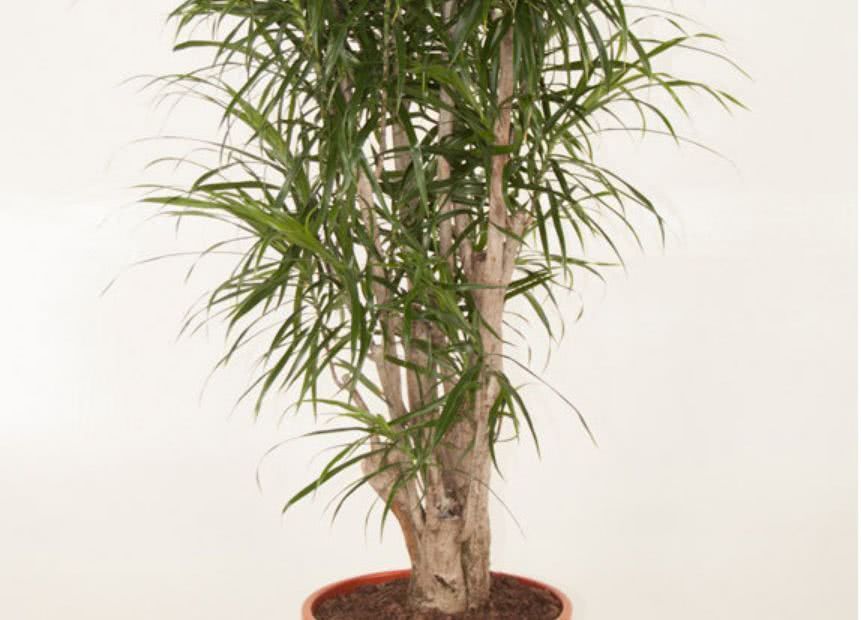
The dragon tree is a very beautiful tropical foliage plant, suitable for growing indoors. It looks somewhat similar to the lucky bamboo, though its leaves are more variegated. Grown indoors it grows slowly, with very vigorous branches and leaves, and it can remove xylene and formaldehyde from indoor air.
5. Aloe Vera
Aloe vera is a very easy-to-grow succulent. It likes plenty of light; apart from the excessively hot summer period when it should be shaded appropriately, it can be given plenty of light in the other seasons.
When aloe vera grows vigorously, it helps remove formaldehyde and benzene from the air, and it has a good purifying effect on indoor pollutants produced by various chemical cleaners and paints.
6. Peace Lily
Peace lily is suitable for growing in a bright indoor spot. It has fairly good cold tolerance and does not need frequent care. Just keep the potting soil watered thoroughly once it dries out. Peace lily can remove harmful indoor air pollutants such as ammonia, benzene and formaldehyde.
7. Snake Plant
Snake plant, also called mother-in-law's tongue, is a common foliage plant. With proper care it can even produce strings of white flowers. Snake plant has very strong shade tolerance and drought tolerance, and likes to grow in low light, warm and slightly dry conditions. It has a very good air-purifying effect, can filter the common formaldehyde in the air, and helps purify the polluting gases produced by various cleaning products.
8. Azalea
Azalea is a shrub that blooms brilliantly in spring, and its flowering period can last for several weeks. It has fairly good adaptability to its environment and is suitable for growing in semi-shade, avoiding excessive direct sun. It works well as a potted shrub on a windowsill and has a good purifying effect on formaldehyde.
9. Silver Bay Chinese Evergreen (Aglaonema)
Silver Bay Chinese evergreen has variegated leaves. It helps remove pollutants produced by paint and various oils, and is suitable for growing in a spot without too much light; it also grows well indoors.
10. Hawaiian Palm (Pritchardia)
Hawaiian palm is a very common tropical foliage plant that can grow in shady as well as bright spots. Its branches and leaves are very vigorous, and it likes a year-round warm, moist environment with a certain amount of air humidity.
Hawaiian palm helps filter harmful gases such as benzene, formaldehyde and trichloroethylene from indoor air.
11. Lucky Bamboo (Dracaena)
Lucky bamboo helps purify harmful indoor gases. It is very easy to grow, and even beginners find it hard to kill. It has very strong adaptability to its environment and extremely strong drought tolerance and shade tolerance.
12. Heartleaf Fern
The heartleaf fern is actually a kind of ornamental fern. It has delicate heart-shaped leaves and is suitable for growing in a shady or bright spot; it dislikes direct sun or excessive direct sunlight. The growing environment should stay warm year-round, and you should also take care to maintain a certain amount of air humidity.
Caring for a heartleaf fern helps maintain a certain amount of air humidity and also helps purify harmful indoor gases.