How to grow Japanese aucuba? Learn these 4 points and you will have no problem
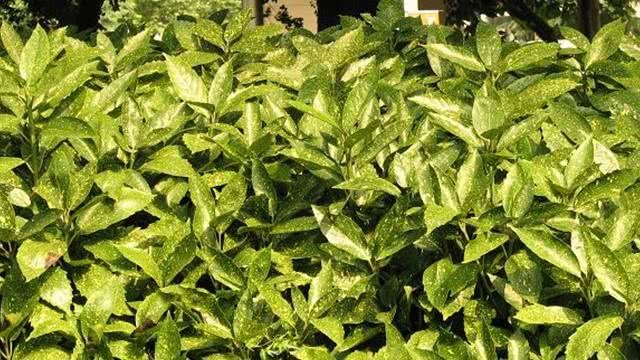
Japanese aucuba originally grew in Japan and was later introduced and planted in various regions. As an evergreen foliage plant that stays green all year round, it is mainly used for display indoors, in courtyards, offices, beside ponds and other places. Its verdant leaves carry yellow spots, which even turn red in winter, and the fruit it produces is bright and eye-catching, so it is often seen in shady spots in courtyards. Its distinctive leaves can also be used as material for making flower baskets, wreaths and other decorations. With such a distinctive green plant, would it not be a pity not to grow one? Since you want to grow it, should you not learn how to care for it? If you do not know these four points, how can you grow Japanese aucuba well?
1. Growth habits
No matter what kind of flowers and plants they are, if you want to grow them strong and healthy, the most important thing is to understand their growth habits, so that you can effectively adjust your care methods and create an environment more suitable for the green plant's growth. The leaves of Japanese aucuba are verdant all year round, and without the threat of disease they are very hard to wither. Its growing environment is fairly ordinary, and it is not very difficult to care for. Japanese aucuba likes to grow in warm places. Since it can be cared for under tree shade, it is clear that its shade tolerance is quite good, but it is not tolerant of drought or cold. Since it is a shade-tolerant green plant, it is naturally also afraid of strong light in summer.
2. Propagation methods
There are three propagation methods for Japanese aucuba: cuttings, sowing and grafting. The most commonly used is the cutting method. First select strong branches, cut off the leaves at their base, and then they can be put into pots. The branches inserted into the pots for cuttings can be covered with a bag to maintain a certain humidity and temperature, and after a period of time new roots will grow.
3. Key management points for the four seasons
1. The climates of spring and autumn are relatively similar, with milder temperatures, making them suitable for placing in a spot facing the balcony, always maintaining the humidity in the air. In order to maintain a good ornamental shape for the plant, you can do a little pruning of the leaves. In late autumn, Japanese aucuba will produce some fruit, dotting the whole plant among the leaves. At this time the temperature will drop somewhat, so water and fertilizer should also be reduced slightly. Generally, the potting soil is changed starting in spring, and the growth of new leaves will be a bit more obvious.
2. Summer temperatures are relatively high. If caring for it indoors, try as much as possible to avoid strong light. The water given should also be increased somewhat, and at the same time pay attention to the humidity in the air. The better the air humidity is maintained, the more brilliantly glossy the leaf surface of Japanese aucuba will be. If the leaf surface begins to look dull, it may be due to excess fertilizer, so at this point you can pause the additional fertilizing for now.
4. Prevention and control of pests and diseases
Japanese aucuba is mainly threatened by two diseases, namely anthracnose and brown spot. Although these two diseases are relatively easy to cure, they should not be underestimated. If the diseases cannot be controlled in time and the situation develops seriously, the consequences may not be as simple as imagined. Under poor management, besides diseases, the plant can also be plagued by pests. Its main pests are also two kinds, namely red spider mites and scale insects. These two pests are also relatively common, and there are quite many methods to deal with them. Chemicals, soapy water and mosquito coils can all eliminate them.
Do you like this Japanese aucuba with its unique leaves? If you want to grow Japanese aucuba well, you must learn and understand the above four basic care points.