Don't be careless after your Kalanchoe finishes blooming - handle it this way and the new growth will thrive
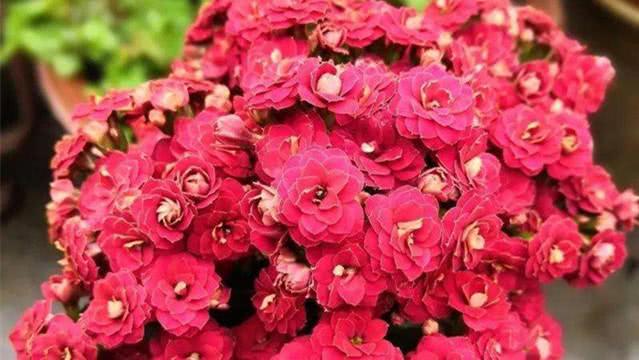
After Kalanchoe flowers fade, you need to prune the spent flowers, trim the branches, take cuttings, or provide dormant care. This is because the plant enters a dormant period after flowering, so removing the excess parts reduces unnecessary nutrient loss. The pruned plant can continue to be cared for and become an old plant, while the healthy branches removed by pruning can be used for cuttings to produce new plants. During the dormant period, provide appropriate shade and control temperature and water.
1. Pruning spent flowers
After Kalanchoe flowers fade, first cut off the flower bud portion; generally, cut off the upper part of the flowering branch together with the spent flowers. Because flowering times differ, you can prune in stages according to each plant's flowering time.
2. Trimming branches
After flowering, give the plant an overall reshaping. First prune the damaged branches, old branches, and leggy branches, then thin out the growth according to the plant's shape so the plant looks attractive and has good ventilation.
3. Taking cuttings
Cut a portion of the healthier branches below a node, let the wounds dry in a ventilated place, then plant them in a substrate mixed with perlite and bone meal; generally, cuttings like these grow well.
4. Dormant care
After flowering, keep the plant at 15-25°C. In summer, evaporation is fast, but do not overwater, as this can slow growth and cause root rot; water only after confirming the soil is dry. After flowering, you can apply some nitrogen fertilizer appropriately to replenish the nutrients needed for growth. Generally, the dormant period after flowering is spring and summer; at this time, sunlight intensity increases, so provide appropriate shade.