If you don't master the correct method of watering flowers with potassium dihydrogen phosphate, the more you water, the less they bloom
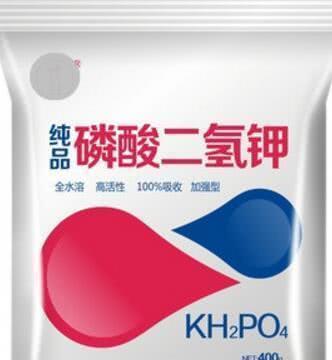
As people's living standards improve, more and more people have fallen in love with growing flowers, especially flowering potted plants, which have won the favor of flower enthusiasts, such as Kalanchoe blossfeldiana, Christmas cactus, Clivia, fuchsia, rose, Chinese rose, gardenia, jasmine and so on. Potted plants are loved by most flower enthusiasts. I believe any friend who grows flowering potted plants is familiar with potassium dihydrogen phosphate. This is a compound flower fertilizer containing no nitrogen, 50% phosphorus and 30% potassium. It can effectively inhibit the spindly growth of flowers, and when used during the flowering period it can increase the number of blooms and extend the flowering period. This function is mainly due to the effects of high phosphorus and high potassium, and they only need to be sprayed on the stems and leaves of the flowers, taking effect quickly, generally showing results in about 5 days, and are deeply loved by flower enthusiasts. But if you haven't mastered the correct method of using potassium dihydrogen phosphate, it is very likely that the flowers will not only fail to bloom, but will die the more you water them. Friends who don't know should quickly follow Xiaohua to take a look!
Pay attention to use, urea cannot be used together
Some flower enthusiasts like to use a bit of urea when growing flowers to promote flower growth. Urea is a compound fertilizer containing various nutrient elements. It is neutral, but when dissolved in water it becomes alkaline, while potassium dihydrogen phosphate is an acidic flower fertilizer. If used together, a neutralization phenomenon will occur, and it will cause the loss of this fertilizer effect, and will produce a substance that is extremely harmful to flowers and plants. If too much is used, it will cause yellow leaves and even death of potted plants.
The concentration should be moderate, don't be greedy for too much
For woody flowers such as jasmine, gardenia, rhododendron, etc., frequently spraying the leaf surface with a 0.3% potassium dihydrogen phosphate solution during the growing period can make the branches strong and the leaves lush, with many flowers and bright colors.
For herbaceous flowers such as Salvia splendens, petunia, dahlia, etc., spraying 2 to 3 times with a 0.3% potassium dihydrogen phosphate solution at the bud stage can make the flowers large and numerous, with bright colors.
Flower enthusiasts should note that when preparing, the concentration must not exceed 0.3%. Under normal circumstances, it is recommended that flower enthusiasts use between 0.1%-0.3%. Too high a concentration will burn the leaves and affect the blooming of the flowers.
It is recommended that flower enthusiasts use it once every 5-7 days during the growing period of the flowers, and it is not recommended to use it during the non-growing period, because potassium dihydrogen phosphate can also inhibit the growth of flowers.
Do not use it at will, it is recommended in the morning and evening
For many flowers, spraying potassium dihydrogen phosphate on the leaf surface during the flower bud differentiation period can promote flower bud differentiation and make more flowers bloom. The common concentration used is 0.1%~0.2%, that is, weigh 1~2 grams of potassium dihydrogen phosphate and then add water to 1 kg (about 1 liter), and spray the leaf surface with a small spray can in the early morning or evening.
Because if used at noon or during the day at high temperatures, the water evaporates quickly, the fertilizer is not easily absorbed, and if it cannot be absorbed and remains on the leaves, it will also cause some damage to the leaves. If used in the morning or evening, there will still be dew outdoors, so the solution is easily absorbed.
Warm little tips:
1. When growing narcissus, one week after the narcissus is put in water, the narcissus bulb will send out tender leaves, and fibrous roots have also grown at the base. You can use a 0.1% potassium dihydrogen phosphate solution instead of clean water to soak it for 1 day every week, to promote wider leaves and fragrant flowers.
2. Frequently wipe the leaves with a 0.1% concentration potassium dihydrogen phosphate solution. It can not only remove dust from the leaves, wiping repeatedly from the leaf tip to the leaf, front and back, but also make the leaves emerald green and shiny, and can make Clivia bloom abundantly and large, without arrow clamping.
Flower enthusiasts, have you learned it?