How to grow hydrangeas? Master these few tricks to easily get a bursting pot of blooms
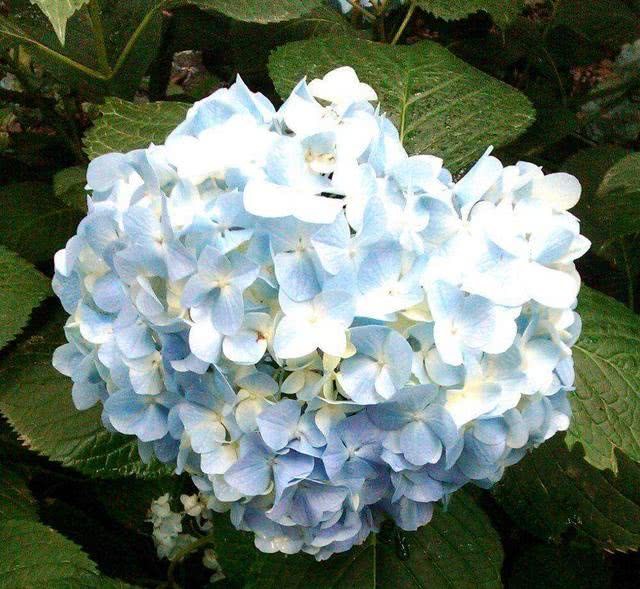
Hydrangea, also called "xiuqiu" (hydrangea ball), because when the flowers bloom in full, it looks just like a hydrangea ball. We can grow hydrangeas to decorate courtyards of many styles, for example, in our Chinese-style courtyards, apart from the vegetable garden, there is also a garden surrounding the pavilion, so we can plant some hydrangeas in the garden, how beautiful. We can also plant hydrangeas along the paths of American-style courtyards, so that when we take a walk in the courtyard, we can also nicely admire the beauty of the hydrangeas.
Hydrangea is native to our country, and during the Ming and Qing dynasties we already had records of the existence of hydrangeas. At that time hydrangeas were planted in the gardens of Jiangnan. Up to now, our leisure parks, or some tourist attractions, also plant hydrangeas to add a scenic touch. The hydrangea counts as a kind of shrub plant, with very slender branches. The leaves, however, are very large. The flower shape of the hydrangea is very full, and the flower colors are also very varied. It likes to grow in a relatively shady environment, and sunlight must definitely be sufficient, because a certain amount of sunlight exposure can still let the plant grow very well, and is beneficial to the plant's growth and development.
It can also make the hydrangeas that bloom even more vivid and brilliant. In the scorching heat of summer we should place the hydrangea in a relatively shaded spot, to prevent the leaves from being sunburned by this kind of intense sunlight. The hydrangea is relatively not cold-tolerant, so in winter we must pay attention to cold protection. Otherwise it will affect its growth, and will also delay the blooming of the hydrangea.
The soil issue is always the most crucial step in growing plants. The soil required by hydrangeas must be fertile, the soil moisture is also required to be relatively high, and the soil must also have a relatively strong water-retention capacity, because the growth and development of the hydrangea cannot do without water, and it very much needs the replenishment of moisture. When we mix the soil, adding a little small sand and organic matter is enough, to increase the looseness of the soil and also make the soil relatively fertile; the nutrients it contains are beneficial to the growth of the hydrangea. We generally add small stones to the soil, but for growing hydrangeas we do not need to, because we must ensure that the soil's moisture is supplied to the hydrangea, so it needs a certain water-retention capacity.
We also need to be very careful when watering the plant. When it is rainy, we should carry out drainage treatment for the plant, to avoid the plant's roots rotting from soaking in accumulated water, which will cause leaf drop, and may even lead to the death of the hydrangea. We should persist in watering once every two days, to avoid the plant lacking water, which would cause the phenomenon of yellowing leaves and leaf drop. When caring for hydrangeas, the temperature should be controlled at 15-20°C, and on no account should the temperature be allowed to fall below 5°C, as this will cause the hydrangea to become a bare, leafless patch.
During the growing season of the hydrangea, we should apply fertilizer to the plant appropriately; fertilizing still has a very good care effect for the hydrangea. When fertilizing during the growing season, applying fertilizer about once every half a month is about right. Fertilizing has a great influence on the flower buds that are about to bloom, is very beneficial to their blooming, and the color of the flowers that bloom is also relatively uniform and relatively vivid.
After the flowering period is over, we should also appropriately prune the hydrangea, cutting off the flower buds that have already withered, which can promote the hydrangea to grow better tender buds and promote the growth of new branches. The pruning period should not exceed September; if it exceeds it, it will affect the hydrangea's next flowering period. We hope that friends who like growing hydrangeas can all get their home hydrangeas to bloom in bursting pots.