How to Grow and Care for Potted Ivy: Methods and Precautions
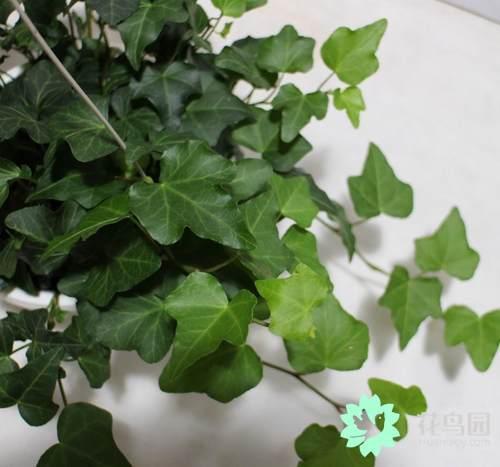
Nowadays many people like to grow flowers and plants at home to decorate their rooms, and ivy is one of the common household foliage plants for pots. Its leaves have a unique shape, are emerald green, stay evergreen all year round, and it is very easy to care for, so it is deeply loved and sought after by everyone. So how exactly should potted ivy be cared for and managed? Let's take a look together below!
1. Choose the right soil
The stems and vines of ivy are soft, which makes it very easy to shape. But the prerequisite for shaping is choosing the right soil to promote growth. Usually, repot and change the soil once every 1-2 years; when repotting, replace half of the soil. Ordinary potting soil will do, and keep the soil moist at all times.
2. Suitable temperature
Ivy likes a warm and humid environment. The most suitable temperature for growth is 20°C-25°C. It cannot tolerate a stuffy, hot environment, yet it is cold-resistant, so when caring for it, the plant should be placed indoors. In summer, pay attention to ventilation and cooling, and in winter keep the temperature above 10°C, and it must not go below 5°C.
3. Appropriate light
Ivy likes light but is also shade-tolerant. Grown under semi-light conditions, its internodes are shorter, the leaf shape is consistent, and the leaf color is vivid, so it is best to grow it in a bright spot indoors. In spring and autumn, you can choose a period of time to place it in a shaded spot outdoors, letting it get a little light in the morning and evening; the plant will then grow very vigorously with bright green leaves. But be careful to prevent direct strong light, otherwise it is prone to sunscald.
4. Moderate watering
During the growing season, water according to the principle of watering when dry and stopping when wet; do not let the potting soil become too waterlogged, otherwise it easily causes root rot and leaf drop. In winter, when room temperature is low, watering should especially be controlled, and keeping the potting soil slightly moist is enough. The winter climate in the north is dry, so it is best to spray and wash the plant once a week with clean water at a temperature close to room temperature to maintain air humidity; the plant will then look lively, and the leaves will be tender green and glossy.
5. Reasonable fertilizing
If you want it to fill the pot successfully, nutrients are indispensable, and the best way to obtain nutrients is to fertilize it. Especially during the growing season, make sure to apply fertilizer once every 15 days, but note that the fertilizer must not be too concentrated and needs to be properly diluted with water; organic fertilizer should be the main type. But if it is the hot summer or cold winter, then fertilizing needs to be stopped, otherwise it will have the opposite effect.
6. Precautions
For newly planted plants, pinch the growing tips after they sprout in spring to encourage branching. For perennial plants, pruning should be strengthened by cutting off dead branches, thin and weak branches, and diseased or pest-infested branches.
When caring for it at home, often mist the leaves of the ivy to avoid dry air causing the leaf tips to wither and turn brown.