How to Grow Pedilanthus tithymaloides (Red Bird Cactus)? Detailed Guide to Cultivation Methods and Precautions
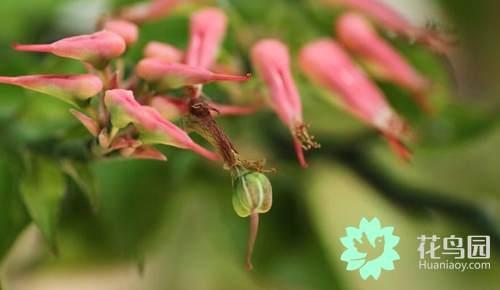
Many people may have never seen Pedilanthus tithymaloides, because it is not common in everyday life. Pedilanthus tithymaloides is an evergreen shrub, and its flowers have a rather unique and interesting shape, like tiny red sparrows, delicate and beautiful, deeply loved and sought after by everyone. In fact, Pedilanthus tithymaloides is very suitable as a decorative houseplant! Below let us learn about the care methods for Pedilanthus tithymaloides!
1. Pot and soil selection
To grow Pedilanthus tithymaloides, you need to choose a slightly smaller flower pot, and put well-draining, loose and fertile soil into the pot. It is best to mix and prepare it yourself with pond mud, fine sand and leaf mold.
2. Light and temperature
Pedilanthus tithymaloides likes a warm environment and also likes light. It is relatively afraid of cold, and the temperature must not be too high. It can tolerate partial shade. The suitable temperature for growth is between 15°C and 25°C, and the safe wintering temperature in winter is above 5°C. Light should be sufficient. When the light is strong in summer, shade is needed for care. In winter, when sunshine duration is short and the temperature is low, Pedilanthus tithymaloides can be placed indoors in a place with sufficient light for care.
3. Watering and fertilizing
Pedilanthus tithymaloides likes a somewhat dry environment. During the growth period, normal watering is enough, but it must not be excessive, to avoid water accumulation, and good ventilation must be maintained, otherwise it will cause root rot. Its demand for fertilizer is not high. During the growth period, fertilizer can be applied as appropriate according to the growth condition. Generally, applying thin fertilizer 1-2 times a month is enough.
4. Propagation methods
The propagation of Pedilanthus tithymaloides is mainly by cuttings. May and June are the best propagation season, and cuttings root relatively easily; it can also be propagated by sowing, and disinfection is needed before sowing.
5. Precautions
Common diseases and pests of Pedilanthus tithymaloides include leaf spot disease, anthracnose and other diseases, as well as aphids, scale insects, red spider mites and other pests. The harm is relatively great, and timely prevention and control are needed. Potted Pedilanthus tithymaloides can be repotted once every 1 to 2 years, in early spring. When repotting, the soil can be replaced with new soil.