These 5 flowers can turn into 100 pots from just 1 leaf stuck in soil, and anyone can grow them into a bursting pot
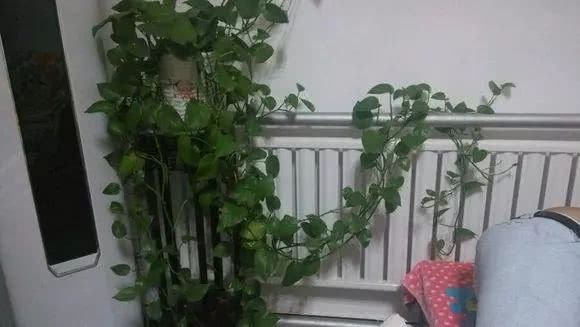
Anyone who likes tending flowers and plants in daily life knows that some flowers are easy to grow, and with a little care they can give you a surprising bursting pot. Come and see who those flowers and plants are.
1. Pothos
Pothos is a top contender in the bursting-pot world, famous for being easy to grow and easy to fill a pot. Pothos likes indirect scattered light and hates direct sunlight most; too much sun and its leaves may turn yellow or even die. Most pothos can grow in water, so potted pothos must be watered often in hot weather, keeping the soil moist but not waterlogged. When pothos lacks water, in mild cases the leaves become smaller and the plant shape poor, and in serious cases the leaves turn yellow or even drop. Of course, in cold winter, if the room temperature is low, then water it, because pothos likes a warm and humid environment, while cold and damp conditions are no good. As long as you pay attention to these two points, light and water retention, you are guaranteed to grow pothos that grows wildly out of control and cannot be stopped.
Turning one pot of pothos into many pots is even easier. There are two methods, water culture and soil planting. Water culture is relatively simple; just pick some stems and insert them into water, and within a few days they will take root and sprout, then you can transplant them into flower pots. For soil planting, generally cut stems about 10 cm long and insert them casually into the flower soil, making sure to keep room temperature and soil moisture, then place them in a ventilated spot with scattered light. Usually in about 20 days they will basically have taken root, and well-grown ones will already be sprouting new buds. Turning one pot into many pots so easily, doesn't it feel very satisfying?
2. Snake Plant
Snake Plant is similar to pothos; if grown well, it also easily fills a pot. It likewise likes a warm and humid environment, but unlike pothos, Snake Plant is relatively drought-tolerant, probably because its leaves are different. Also, Snake Plant has low soil requirements; any sandy soil will do as long as it does not hold water. At room temperature of 20-30°C it grows most easily like crazy, and when the winter temperature is below 10°C it enters a semi-dormant state. If cared for properly, it is no problem for it to reach the roof and bloom.
It is not difficult for Snake Plant to multiply into more pots either; just use its leaves for cuttings, and you can have as many pots as you want. Cut leaves that are more than one year old diagonally into small sections about 7-10 cm long, place them in a shady spot for 1-2 days until the cut ends heal somewhat and dry, then insert the lower 3-4 cm into clean river sand and place them in a corner with plenty of scattered light and air circulation. Spray water with a spray bottle several times a day; it should not lack water, nor should it be too wet. In less than a month it will grow tender roots and send out new buds, and before long there will be so many that you cannot fit them in your room.
3. Copper Grass
It is named because its leaves closely resemble copper coins, and it is widely loved and cultivated for the auspicious meaning of wealth flowing in and treasure being welcomed. Although Copper Grass looks delicate, its survival ability is very strong, and daily care is also very simple. Sufficient light and water can make it lush and green. It is also a contender that can fill a pot in minutes when cultivated.
Wanting to turn one pot of Copper Grass into many pots is simply too easy. Just take a few stems with roots from the original pot and put them into a prepared container; a bottle, cup, flower pot without drainage holes, or even a water bowl will do. As long as you add water regularly, in just a few days it will be a full pot. If you want soil culture, it is also easy; just plant Copper Grass with roots in moist soil, then add water until it covers the soil layer, as long as the Copper Grass does not float up. Similar to water culture, in a few days you will see many tender Copper Grass plants growing out, and at that point you will have to find more pots to move some out, otherwise they will not fit.
4. Hens and Chicks
People who like succulents surely know Hens and Chicks; it can be called the king of common succulents. Hens and Chicks is the tough rascal among succulents and should not be pampered. As long as the soil is loose and breathable, it is not exposed to blazing sun, and you water it only when it is extremely dry, it is sure to grow very, very well.
Succulent plants are the easiest to propagate and transplant; casually pick a leaf or pinch off a small rosette and stick it into sandy soil. The first time, be sure to water thoroughly, then place it in a shady spot with scattered light. In less than a week you will find many fuzzy roots growing under the leaf, and after a while longer they will grow into mini Hens and Chicks. Sometimes you do not even need to transplant them, and you will find many small rosettes growing by themselves beside the mother plant. With proper transplanting, one pot becomes two pots, two pots become four pots, and you can have as many as you want.
5. Spider Plant
Spider Plant is also a survival expert in the green plant world; even trying to kill it is not easy. Spider Plant likes a warm, humid, and shady environment, and once the environment is suitable it will grow wildly and bloom. At the same time, it has strong adaptability, and its drought tolerance is among the best, so if you occasionally forget to water it, you do not need to worry that it will die of drought. Many people like to cultivate Spider Plant and place it in a high spot, letting it grow freely, and its hanging form looks very beautiful.
If other plants still need transplanting to turn one pot into many pots, Spider Plant can be said to work like this: casually pick off a few small Spider Plant plantlets, poke a hole, bury some soil, count 1 2 3 4 5, and you can have as many pots as you want. If the soil chosen is fertile sandy loam and you water it sufficiently, it will probably burst pot after pot, so many that there is no room to place them at home.
Interested friends should try it when they have the chance; the feeling of a bursting pot is really great.
Today's Tips Big Sister shares:
[Whether mangosteen is good or not, you will know by looking here; learning this trick makes choosing mangosteen just this simple]
For more tips, please follow Tips Big Sister!
??????????END??????????
Thank you all for reading, and thank you fans for your attention
If you think the article is good, share it with your friends too
Do not forget to give mea likeoh
Reply: plant name (such asMoney Tree): to check cultivation methods