Just do this, and a single small seedling can grow into a large patch
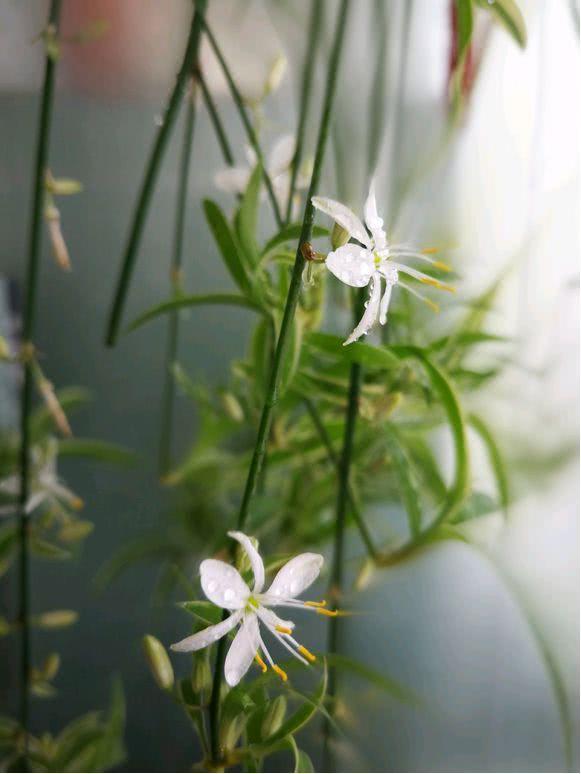
Spider plant (Chlorophytum comosum) has a very strong reproductive capacity and is a plant that very easily produces baby plantlets. It has low requirements for the growing environment and is one of the easiest plants for flower lovers, especially beginners or lazy gardeners, to keep alive. Especially when you place one or two pots of spider plant in the study, the scholarly atmosphere becomes even stronger.
Once a spider plant has grown a bit, it starts to produce long, trailing stems, which are stolons, and along each stolon, at intervals, baby spider plantlets grow one after another. After a while longer, these plantlets even grow roots. At this point, you can propagate the baby spider plants by cuttings.
You can snap the baby spider plant off the stolon, being careful not to break or damage the roots, or use scissors to cut it off together with 3-5 cm of the stolon beside the baby plant (not recommended). For spider plants, it is best to choose a deeper pot so that the roots have more space to grow, and the pot diameter should also be slightly larger, because spider plants grow very quickly.
The soil mix should be based on the principles of fertility and good ventilation and drainage. You can simply use leaf mold and peat at a ratio of 6:4. You can also place a layer of organic fertilizer at the bottom of the soil, so that when the roots grow long, it can provide more nutrients to the plant at just the right time. The soil should be kept in a relatively moist state. In summer, water twice a day, morning and evening. In spring and autumn, water once every 1-3 days depending on how dry the weather is. In winter, the water requirement is lower, so watering once every 4-7 days is enough.
If you want the baby spider plant to grow quickly and fill the pot quickly, the supply of fertilizer is essential. The layer of organic fertilizer spread at the bottom of the soil only serves as supplementary fertilizer when the roots reach the bottom, while in normal times you still need to fertilize frequently. When newly transplanted into a new pot, it is not suitable to fertilize immediately; just keep the moisture sufficient.
Start fertilizing one month after transplanting. You can apply nitrogen-phosphorus-potassium fertilizer or organic fertilizer. In the early stage, you can first apply phosphorus and potassium fertilizer to promote the growth of the baby spider plant's roots, then supplement more nitrogen fertilizer to promote leaf sprouting. Lazy gardeners can buy a ready-mixed nitrogen-phosphorus-potassium compound fertilizer; a balanced ratio of the three is enough. No fertilization is needed in winter.
In the first half month after transplanting, it is not suitable to let direct sunlight hit the baby spider plant. Keep it in a ventilated and shady place for care. After the plant has settled into the pot, gradually let it receive more sunlight. It is best for the process to be gradual, but it must not be exposed to scorching sun. Placing it indoors in a spot that receives scattered light is most beneficial for the growth of the spider plant.